 listicle
Avoiding Sugar Crash: Healthy Snacks That Work
Table of Contents
- Understanding Blood Sugar Crashes and How to Prevent Them
- The Macronutrient Balance That Prevents Blood Sugar Spikes
- Best Post-Workout Recovery Snacks for Stable Energy
- Low Glycemic Index Snacks That Keep Energy Steady
- Healthy Office Snacks for Productivity and Focus
- Practical Snacking Strategies to Avoid Energy Crashes
- Conclusion
Last Updated: August 20, 2026
Understanding Blood Sugar Crashes and How to Prevent Them
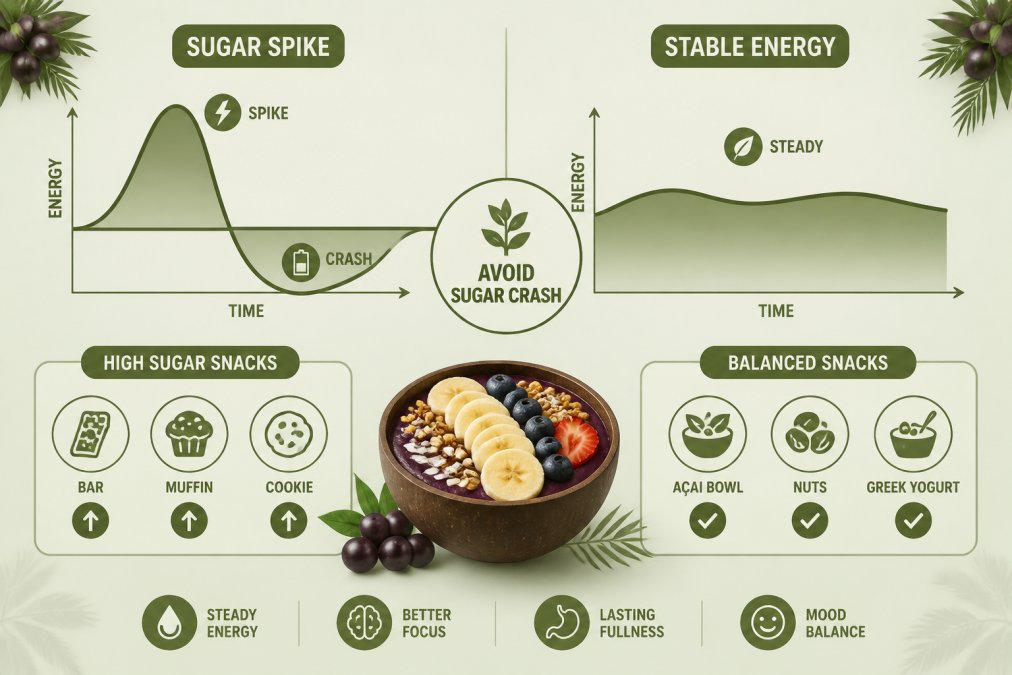
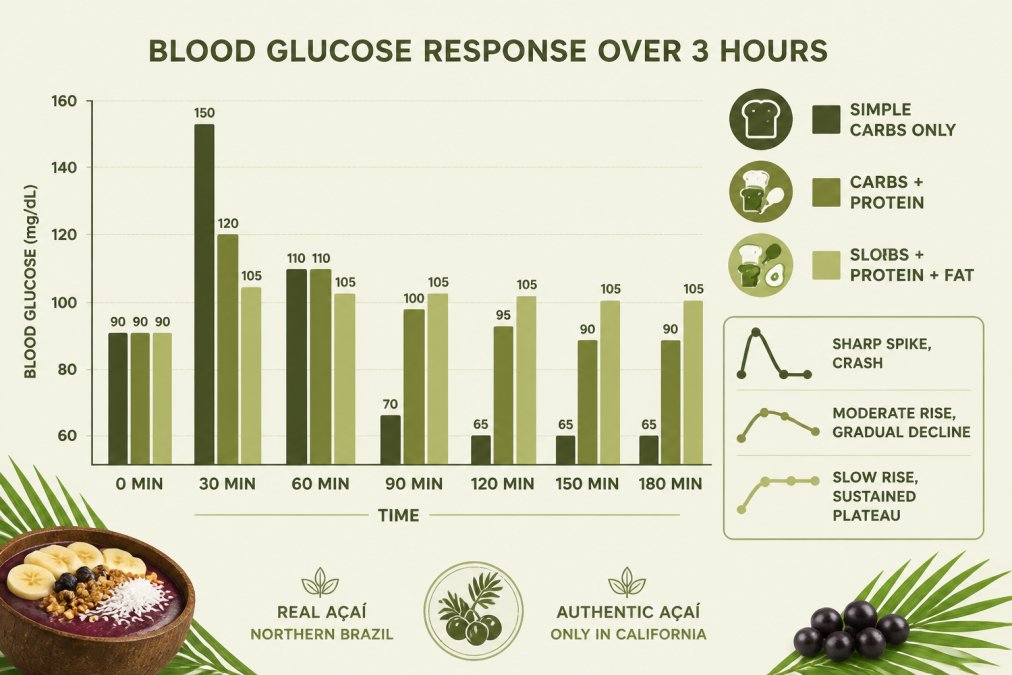
When you consume simple carbohydrates without protein, fat, or fiber, your blood glucose spikes rapidly, triggering a surge of insulin. Your body overcompensates, blood sugar plummets, and you hit the wall, that familiar energy crash leaving you exhausted and reaching for more sugar. This cycle sabotages sustained productivity. At World Green Açai, we've seen how many people unknowingly trap themselves in this pattern, choosing snacks that taste good for fifteen minutes but sabotage their energy for the next two hours.
What Happens During a Sugar Crash
A sugar crash occurs when your blood glucose drops sharply after a rapid spike. Your brain and muscles depend on glucose for fuel, so when levels fall too quickly, you experience fatigue, brain fog, irritability, and intense cravings for more sugar. Repeated blood sugar swings increase insulin resistance, making your metabolism less responsive and your energy more unpredictable.
Why Simple Carbs Trigger Energy Slumps
Simple carbohydrates, white bread, sugary snacks, refined crackers, digest quickly and flood your bloodstream with glucose. Your pancreas releases insulin to bring blood sugar back down, but without stabilizing protein, fat, or fiber, the correction overshoots and you crash. Complex carbohydrates break down slowly, releasing glucose gradually and producing a measured insulin response with no dramatic crash.
The Macronutrient Balance That Prevents Blood Sugar Spikes
Avoiding sugar crash healthy snacks requires understanding how different nutrients work together. Protein slows digestion, healthy fats extend satiety, and fiber stabilizes glucose absorption. When combined strategically, these three macronutrients create a metabolic environment where energy stays steady and cravings disappear.
Protein's Role in Stabilizing Glucose Levels
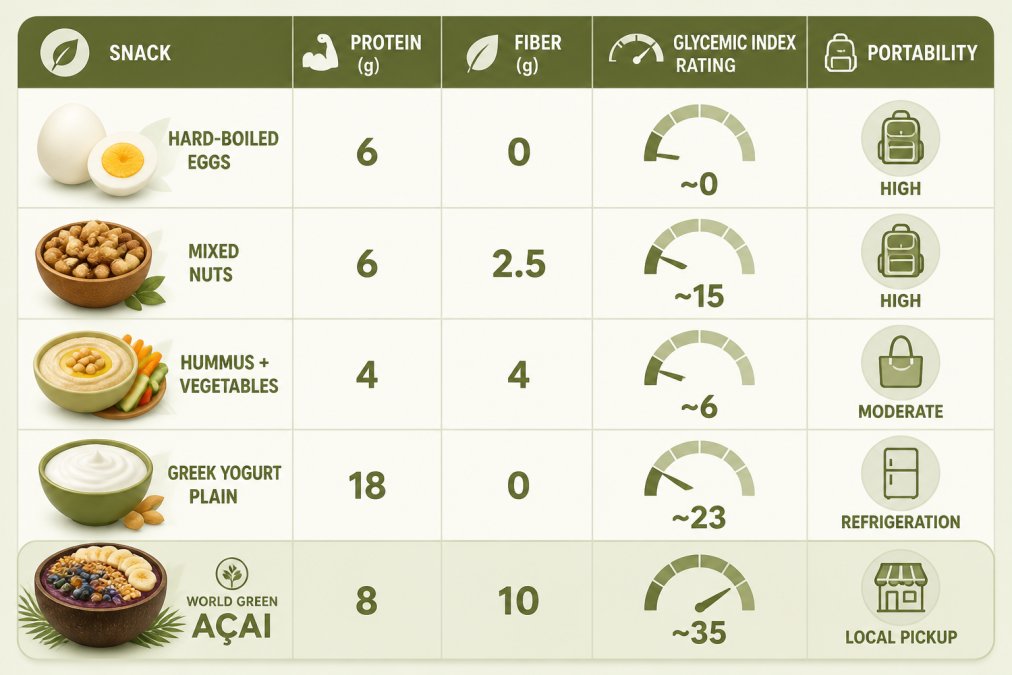
Protein is your first line of defense against blood sugar swings. When you pair carbohydrates with protein, digestion slows dramatically, releasing glucose into your bloodstream at a measured pace. Protein also triggers satiety signals in your brain, making you feel fuller longer and reducing cravings. Hard-boiled eggs deliver roughly 6 grams of protein per egg, while Greek yogurt like Fage Total 0% provides 18 grams per serving. Even small additions, a handful of nuts, a slice of cheese, shift your snack's metabolic profile dramatically.
How Healthy Fats Slow Digestion and Sustain Energy
Dietary fat slows gastric emptying, the rate at which food leaves your stomach, extending the time your body spends absorbing nutrients. This prolonged absorption window means glucose enters your bloodstream gradually instead of in a rush. Nuts like Wonderful Pistachios contain both protein and fat, making them exceptionally effective for energy stability. A small handful provides roughly 6 grams of fiber and 6 grams of protein, sustaining energy for hours. Avocado, olive oil, and seeds work similarly, they're metabolic tools, not calorie-dense indulgences.
Dietary Fiber and Its Effect on Glycemic Response
Soluble fiber forms a gel-like substance in your digestive tract that slows glucose absorption. Insoluble fiber adds bulk and complexity to digestion, further extending processing time. The practical outcome: fiber-rich snacks produce a flatter, slower glucose curve. Edamame delivers 6 grams of fiber per serving, while hummus made from chickpeas provides both fiber and plant-based protein.
Best Post-Workout Recovery Snacks for Stable Energy
Post-workout nutrition is critical. Your muscles are primed to absorb nutrients, your glycogen stores are depleted, and your body is actively repairing tissue damage. The best post-workout recovery snack combines fast-digesting carbohydrates with protein to replenish glycogen while providing amino acids for muscle repair. RXBAR Protein Bars deliver 12 grams of protein and 5 grams of fiber from whole-food ingredients like egg whites, dates, and nuts, no added sugar, no artificial ingredients.
For a fresher option, Greek yogurt with berries hits the mark perfectly. The yogurt provides protein and probiotics; the berries provide carbohydrates and antioxidants. If you want something more substantial, a hard-boiled egg with a piece of fruit and a handful of nuts covers all three macronutrients while staying portable.
Low Glycemic Index Snacks That Keep Energy Steady
The Glycemic Index (GI) measures how quickly a food raises blood glucose compared to pure glucose. Low-GI foods (55 or below) produce minimal blood sugar spikes. For avoiding sugar crash healthy snacks, low-GI options are essential. Glycemic Load (GL) accounts for portion size, which is why a large bowl of watermelon (high GI, low GL due to water content) might be fine, while a small portion of white bread (high GI, high GL) causes problems. natural energy alternatives.
Whole Grains and Complex Carbohydrates
Whole grains contain the bran and germ, packed with fiber that slows digestion and reduces glycemic response. Oatmeal, brown rice, and whole-grain bread have GI scores in the 50-65 range, compared to white bread at 75+. But whole grains alone aren't a complete snack. Pair them with nuts, yogurt, or seeds. Oatmeal with almond butter and berries delivers complex carbs, protein, fat, and fiber for stable energy.
Nuts, Seeds, and Plant-Based Proteins
Nuts and seeds are metabolic superstars, high in protein and fat, low in digestible carbohydrates, and packed with micronutrients. Wonderful Pistachios deliver roughly 6 grams of protein and 3 grams of fiber per ounce with a GI near zero. Seeds like pumpkin, sunflower, and flax offer similar benefits with different nutrient profiles. A quarter-cup of mixed nuts and seeds provides 6-8 grams of protein, 3-4 grams of fiber, and enough healthy fat to sustain energy for hours.
Dairy and Protein-Rich Pairings
Cheese and yogurt are underrated blood sugar stabilizers. Tillamook Medium Cheddar Cheese Snack Portions deliver 5 grams of protein per 0.75-ounce serving with virtually zero carbohydrates. Pair with an apple or small whole-grain cracker for a balanced snack. Fage Total 0% Greek Yogurt contains 18 grams of protein and minimal sugar. Add your own toppings, berries, nuts, a drizzle of honey, to control the entire macronutrient profile, avoiding store-bought flavored yogurts that often contain 15-20 grams of added sugar.
Healthy Office Snacks for Productivity and Focus
Office environments present unique snacking challenges. You're sedentary, stressed, and surrounded by vending machines. Your blood sugar stability determines your focus, mood, and decision-making quality. The best office snacks are portable, require no preparation, and don't leave residue on your keyboard. Hard-boiled eggs, nuts, cheese portions, and quality protein bars all meet these criteria. Keep a drawer stocked so you're never forced to choose between hunger and the vending machine.
Sabra Hummus Classic with pre-cut vegetables is excellent if you have refrigeration access. The chickpea base provides fiber and plant-based protein. For something more substantial, World Green Açai offers online ordering with convenient pickup in Larkspur. Their organic açai bowls combine fresh açai pulp with fiber-rich toppings and protein options, creating a snack that delivers sustained energy without the sugar crash associated with typical frozen yogurt bowls.
Practical Snacking Strategies to Avoid Energy Crashes
Knowing which snacks to eat is only half the battle. Timing, portion control, and consistency matter equally.
Timing and Portion Control
Eat a snack before hunger becomes extreme. When you're already crashing, your brain hijacks your decision-making and you reach for whatever's closest, usually something sugary. For most people, a snack every 3-4 hours maintains stable blood sugar. If you eat breakfast at 7 a.m., a mid-morning snack around 10 a.m. prevents the 11 a.m. energy dip. Lunch at noon, an afternoon snack around 3 p.m., and dinner at 6 p.m. creates a rhythm that minimizes crashes.
Portion size matters more than most people realize. A handful of nuts (roughly 1 ounce) is ideal. Hard-boiled eggs work best in pairs, providing roughly 12 grams of protein and keeping most people satisfied for 3 hours.
Foods to Avoid When Preventing Blood Sugar Fluctuations
Obvious culprits are sugary snacks, candy, soda, and pastries. But fat-free snack cakes, low-fat crackers, and "healthy" cereal bars often contain added sugars to compensate for removed fat, spiking blood glucose as dramatically as their full-fat counterparts. Dried fruit is another trap, a handful of raisins contains concentrated sugars and minimal fiber compared to fresh fruit. Refined grain products like white bread, regular pasta, and instant rice digest too quickly. If you eat them, always pair with protein and fat.
Conclusion
Avoiding sugar crash healthy snacks isn't complicated, but it requires intention. The formula is straightforward: combine protein, healthy fat, and fiber-rich carbohydrates in roughly equal proportions, eat before extreme hunger sets in, and choose whole foods over processed alternatives whenever possible.
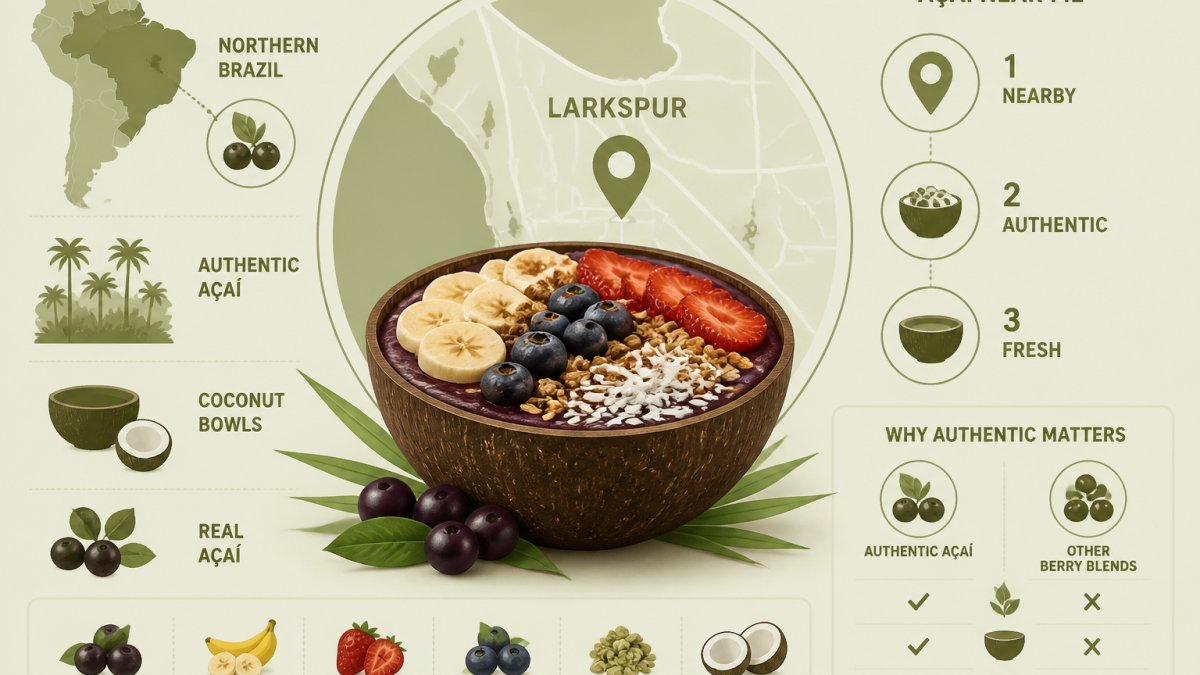
For those in the area seeking a premium, convenient option, World Green Açai delivers organic açai bowls crafted with real açai pulp from Northern Brazil, not freeze-dried powder. Their customizable bowls let you control every macronutrient, ensuring your snack stabilizes energy rather than spiking it. Skip the lines with their mobile app and order online for pickup in Larkspur. Whether you're a busy professional, an outdoor enthusiast recovering after a workout, or someone who simply refuses to compromise on ingredient quality, World Green Açai provides the sustained energy your day demands.
Frequently Asked Questions
What snack can you eat that won't raise blood sugar?
Snacks combining protein, healthy fats, and fiber prevent blood glucose spikes. Hard-boiled eggs, almonds paired with cheese, hummus with vegetables, and Greek yogurt with berries all stabilize insulin response. Avoid simple sugars and refined carbohydrates. High-quality organic açai bowls with nuts and seeds provide sustained energy without the sugar crash if toppings are chosen carefully, focus on protein-rich additions rather than syrups or sweetened granolas.
How does protein help prevent a sugar crash?
Protein slows gastric emptying, meaning food moves through your digestive system more slowly. This gradual release prevents rapid insulin spikes and the subsequent energy dip. Aim for 10-20 grams of protein per snack. Pairing carbohydrates with protein, such as apple slices with peanut butter or whole-grain crackers with cheese, moderates your glycemic response and extends satiety, keeping you productive and focused throughout the day.
What are the best snacks to prevent an afternoon energy crash?
The best post-workout recovery snacks and afternoon energy snacks follow the same principle: combine protein, healthy fats, and complex carbs. Excellent options include Greek yogurt with nuts, hard-boiled eggs with whole-grain toast, edamame, pistachios, or a balanced organic açai bowl with granola and seeds. These provide sustained energy through macronutrient balance. For office settings, portable options like protein bars, cheese snacks, or pre-packed nuts offer convenience without sacrificing nutrition or blood sugar stability.
Can açai bowls be part of a blood-sugar-friendly diet?
Yes, when prepared with blood sugar management in mind. Authentic organic açai bowls naturally contain fiber and antioxidants, but the final product depends on toppings. Skip sweetened yogurt bases and syrups; instead, pair the açai base with high-protein toppings like Greek yogurt, nuts, seeds, and whole grains. This approach transforms an açai bowl into a nutrient-dense snack that prevents glucose spikes and provides sustained energy, making it an excellent choice for busy professionals and outdoor enthusiasts seeking genuine Brazilian-style nutrition.
This article was written using GrandRanker