 listicle
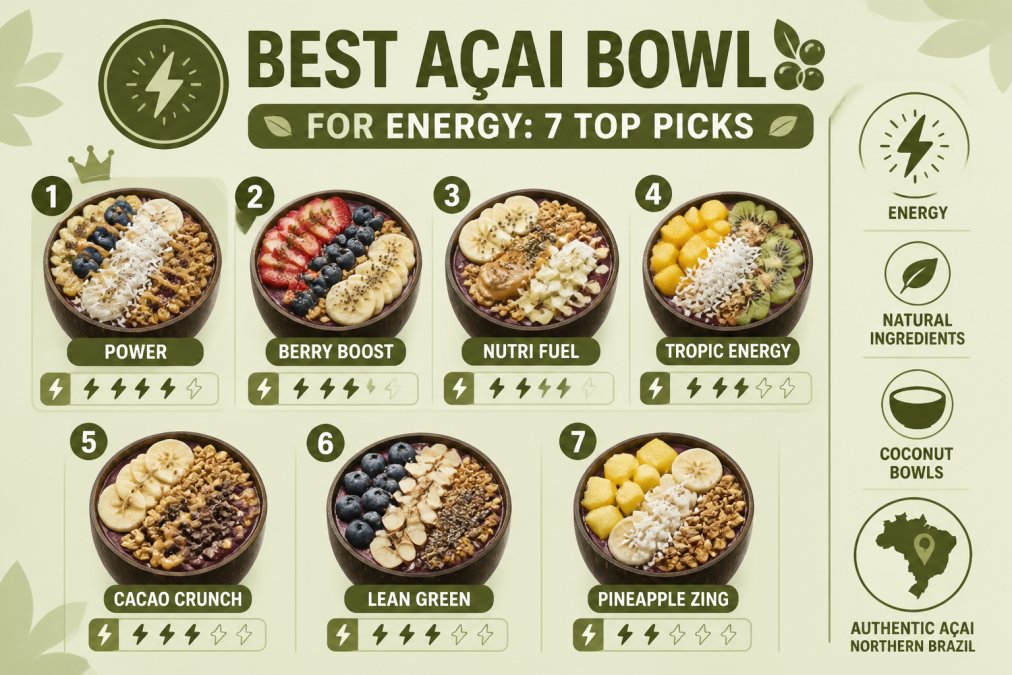
Best Acai Bowl for Energy: 7 Top Picks
Table of Contents
- Best Acai Bowl for Energy: Quick Comparison
- How We Evaluated These Acai Bowls
- Acai Bowl Nutrition Facts: What Powers Sustained Energy
- Best Acai Bowl Toppings for Energy and Sustained Release
- Acai Bowl Recipe for Athletes: Pre and Post-Workout Timing
- Fresh, Organic Acai: Why Real Matters for Energy
- Common Mistakes That Drain Your Acai Bowl's Energy Potential
- Which Acai Bowl Should You Pick?
Last Updated: August 16, 2026
Best Acai Bowl for Energy: Quick Comparison
The best acai bowl for energy combines unsweetened acai puree with macronutrient-balanced toppings that deliver sustained release rather than a quick sugar spike. Most commercial acai bowls fail on this front, they're loaded with sweetened granola, honey, and fruit that spike your blood glucose and leave you crashing an hour later.
What separates an energy-optimized acai bowl from a dessert masquerading as breakfast comes down to three factors: the quality of your acai base, the ratio of protein to carbs, and your topping strategy. A well-constructed bowl can fuel 4-6 hours of sustained energy.
How We Evaluated These Acai Bowls
We assessed each option based on five criteria: acai quality (organic vs. sweetened), macronutrient balance, glycemic load, ingredient transparency, and convenience.
Acai Quality: Authentic acai from Northern Brazil contains no added sugars and delivers the full antioxidant-rich profile. Sweetened acai blends spike your blood sugar immediately.
Macronutrient Balance: The ideal energy bowl contains roughly 15-20g protein, 30-40g carbohydrates, and 8-12g healthy fats. This ratio sustains blood glucose levels and prevents crashes.
Glycemic Load: We prioritized bowls using low-glycemic toppings, nuts, seeds, and unsweetened coconut rather than honey-based granola and agave.
Ingredient Transparency: Can you identify every ingredient? Does the vendor source their acai directly or use sweetened blends?
Convenience: For busy professionals, we weighted online ordering, consistency, and preparation time.
Acai Bowl Nutrition Facts: What Powers Sustained Energy
An acai bowl's energy potential depends entirely on its nutritional composition. The unsweetened acai puree itself is nutrient-dense: rich in antioxidants, healthy fats, and fiber. But the toppings determine whether your bowl sustains you or crashes you.
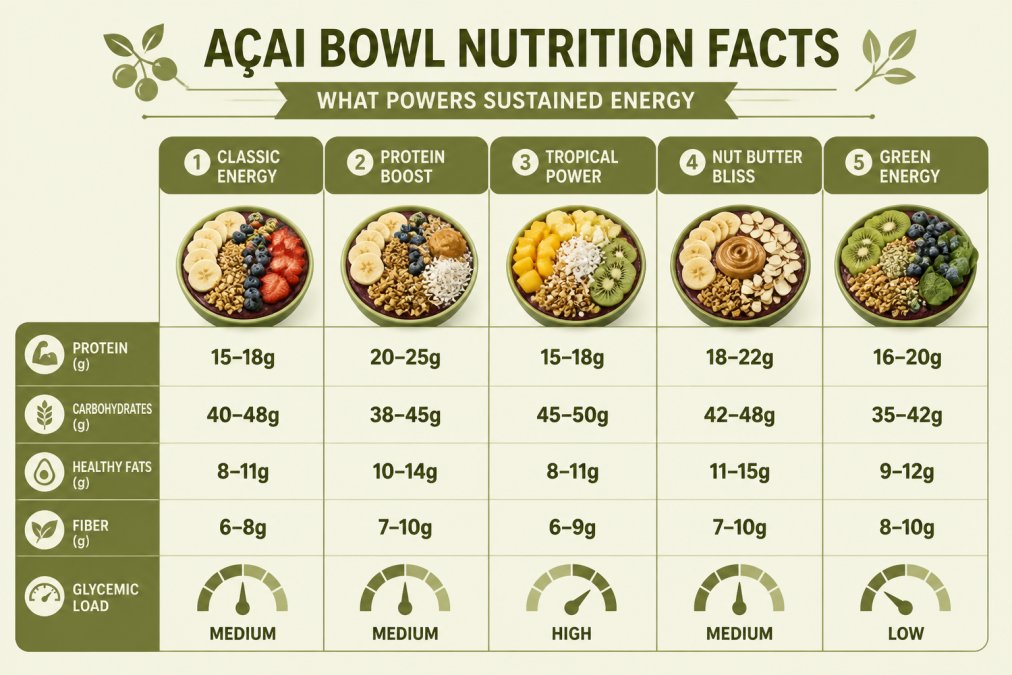
Macronutrient Balance for Clean Energy
A bowl with 50g of carbs but only 5g protein will spike your blood glucose and trigger an an insulin response. Two hours later, you'll be raiding the vending machine.
The ideal energy bowl contains:
- Protein: 15-20g minimum (from hemp seeds, almond butter, plant-based protein powder, or chia seeds)
- Carbohydrates: 35-45g (primarily from the acai base and fresh fruit)
- Healthy Fats: 8-12g (from nuts, seeds, coconut oil, or nut butters)
- Fiber: 6-10g (from seeds, nuts, and unsweetened coconut)
This combination slows carbohydrate absorption, prevents blood sugar spikes, and keeps you satisfied. Many commercial bowls contain 60-80g carbs with minimal protein, essentially a fruit dessert with granola.
Glycemic Index Impact on Energy Levels
Glycemic index matters more than total sugar content. Two bowls might contain identical sugar grams, but one sustains you for six hours while the other crashes you in ninety minutes.
High-glycemic toppings (honey, agave, sweetened granola) cause rapid glucose spikes followed by sharp drops. Low-glycemic alternatives (cacao nibs, raw almonds, chia seeds, hemp seeds) release energy gradually. A bowl topped with honey-roasted granola might contain 45g sugar but has a high glycemic load. The same bowl with unsweetened granola, hemp seeds, and almond butter contains similar sugar but releases it slowly over hours.
Best Acai Bowl Toppings for Energy and Sustained Release
The toppings determine whether your acai bowl delivers sustained energy or a temporary spike. Think of toppings as a three-layer system: protein foundation, healthy fat boost, and metabolic accelerators.
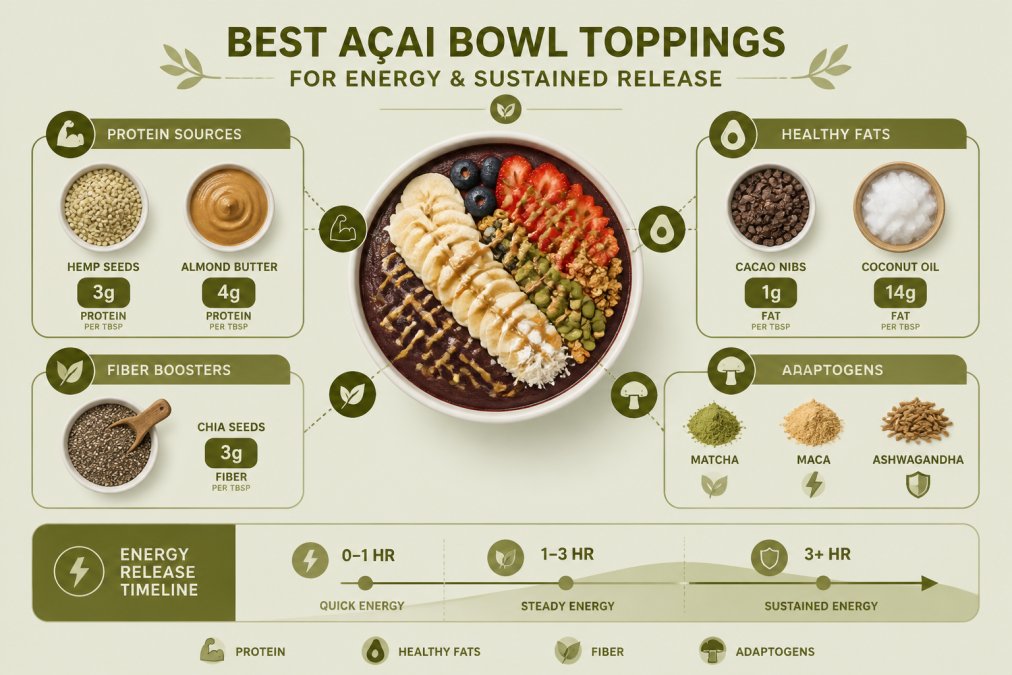
Plant-Based Proteins and Healthy Fats
Hemp seeds deliver all nine essential amino acids plus healthy fats. A single tablespoon contains 3g protein and omega fatty acids that slow carbohydrate absorption.
Almond butter provides both protein and fat. Two tablespoons add 8g protein and 18g healthy fats, plus fiber that further slows glucose release.
Chia seeds are underrated for energy bowls. They're 20% protein by weight and absorb liquid, creating sustained fullness. One ounce contains 5g protein, 10g fiber, and 9g healthy fats.
Cacao nibs contain theobromine, a stimulant similar to caffeine that enhances alertness without the crash. They're also rich in antioxidants and contain minimal sugar when unsweetened.
Unsweetened coconut flakes add healthy fats and fiber. One ounce contains 3g fiber and 9g healthy fats.
Superfood Add-Ons for Metabolic Boost
Guarana extract appears in some premium acai products as a natural source of caffeine that releases more slowly than coffee, providing sustained alertness without jitters.
Maca powder supports sustained energy through adaptogenic properties, helping regulate cortisol and blood sugar naturally.
Spirulina adds 4g protein per tablespoon and B vitamins that support energy metabolism. Use sparingly due to strong taste.
Ginger aids digestion and has mild metabolic-boosting properties while improving nutrient absorption.
Acai Bowl Recipe for Athletes: Pre and Post-Workout Timing
Timing matters as much as composition. Your pre-workout bowl needs different macronutrient ratios than your post-workout recovery bowl.
Pre-Workout Acai Bowl Formula
Consume this 30-60 minutes before exercise. The goal is easily digestible carbs for immediate energy plus enough fat and protein to prevent hunger during your workout.
Base: 1 cup unsweetened acai puree (or frozen acai pack blended with 1/2 cup coconut water)
Carbs: 1 medium banana, 1/2 cup fresh blueberries
Protein: 2 tablespoons almond butter mixed into the base
Healthy Fats: 1 tablespoon cacao nibs, 1 tablespoon unsweetened coconut flakes
Fiber Boost: 1 tablespoon chia seeds
Energy Adaptogen: 1/2 teaspoon guarana powder or 1/4 teaspoon maca powder
This delivers approximately 35g carbs, 12g protein, 10g healthy fats, and 6g fiber. The carbs fuel your workout while protein and fat prevent mid-exercise crashes.
Post-Workout Recovery Bowl
Consume within 30 minutes of finishing exercise. Your muscles need rapid carbohydrate replenishment and protein for repair. Higher glycemic toppings are beneficial here to replenish depleted muscle glycogen quickly.
Base: 1 cup unsweetened acai puree blended with 1/2 cup coconut water
Carbs: 1 medium banana, 1/2 cup fresh mango or pineapple
Protein: 2 tablespoons almond butter plus 1 scoop plant-based protein powder mixed into the base
Healthy Fats: 1 tablespoon hemp seeds, 1 tablespoon raw almonds (chopped)
Fiber: 1 tablespoon ground flaxseed
Recovery Booster: Small pinch of sea salt (replaces sodium lost through sweat)
This post-workout bowl contains approximately 45g carbs, 20g protein, 12g healthy fats, and 7g fiber. The higher carb-to-protein ratio optimizes muscle glycogen replenishment and protein synthesis.
Fresh, Organic Acai: Why Real Matters for Energy
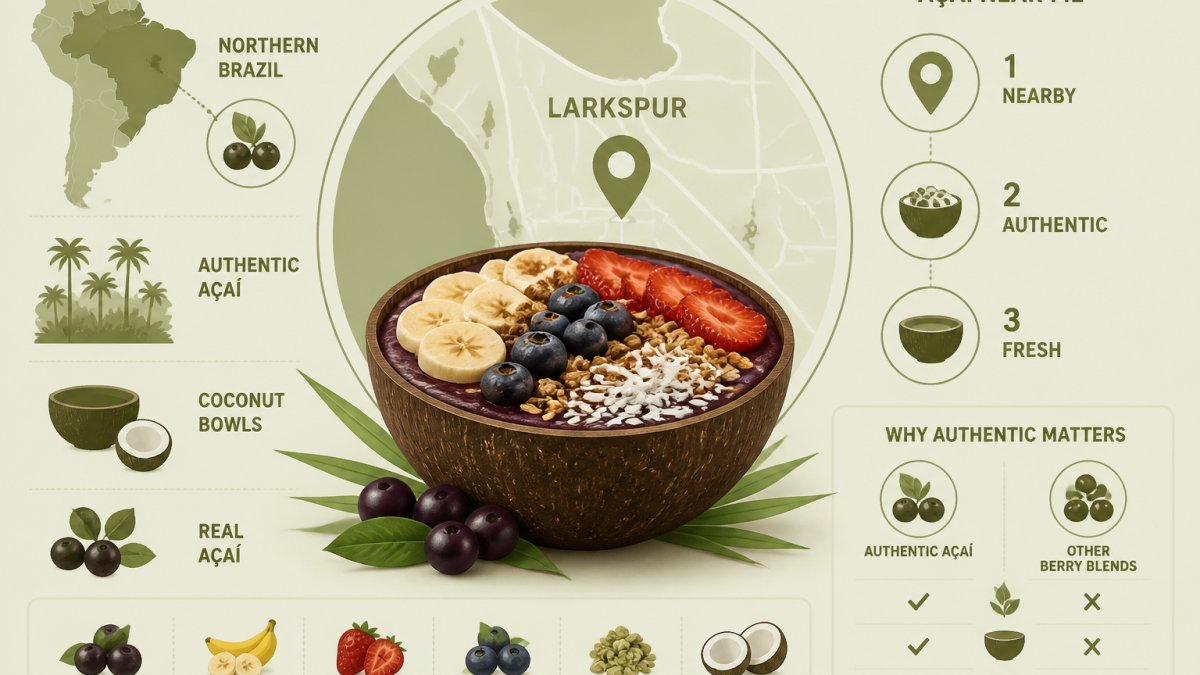
Not all acai is created equal. Frozen acai from Northern Brazil, the original source, contains the full spectrum of antioxidants and healthy fats. Sweetened acai blends and acai-flavored products cut corners and undermine the energy benefits.
World Green Açai sources authentic acai from Northern Brazil and uses unsweetened acai puree in every bowl. This matters because sweetened blends contain added sugars that spike your blood glucose immediately, defeating the entire purpose of choosing acai for sustained energy. When you order from World Green Açai, you're getting real acai, no additives, no hidden sugars.
The difference shows up in your energy levels. A bowl made with real unsweetened acai fuels you for hours. A bowl made with sweetened acai blend leaves you hungry by mid-morning.
Checking for authenticity is simple: ask whether the acai puree is unsweetened. If the vendor can't answer that question or offers only sweetened options, their acai bowl won't deliver sustained energy.
Common Mistakes That Drain Your Acai Bowl's Energy Potential
Most people sabotage their acai bowls without realizing it. Here are the mistakes that turn an energy tool into a sugar bomb.
Mistake 1: Choosing Sweetened Acai Blends Sweetened acai contains added sugars, sometimes 10-15g per serving. Unsweetened acai is slightly tart, which pairs perfectly with naturally sweet toppings like banana and berries without blood sugar spikes.
Mistake 2: Topping with Honey-Based Granola Honey granola is essentially candy. Two handfuls can add 20-30g sugar and spike your glycemic load dramatically. Use unsweetened granola, raw nuts, or seeds instead.
Mistake 3: Skipping Protein Entirely Many people build acai bowls with just fruit and granola. Without protein, your carbs spike your blood glucose rapidly. Add almond butter, hemp seeds, or protein powder, it's the difference between sustained energy and a crash.
Mistake 4: Using Sweetened Coconut Flakes Sweetened coconut flakes contain added sugars. Unsweetened coconut has none, with minimal taste difference but significant metabolic impact.
Mistake 5: Adding Agave or Maple Syrup These are marketed as "natural sweeteners," but they're still high-glycemic syrups that spike your blood glucose. If you need sweetness, use a small amount of raw honey or rely on naturally sweet toppings like banana and berries.
Mistake 6: Consuming Your Bowl Too Quickly Eating too fast prevents your body from registering fullness signals. Eat slowly and give your digestive system 20 minutes to signal satiety. This prevents overeating and maintains steady energy.
Mistake 7: Not Accounting for Liquid A thick, creamy acai bowl takes longer to digest than a thin, soupy one. Blending your acai with just enough liquid to achieve the right consistency matters for glucose response.
Which Acai Bowl Should You Pick?
Your best choice depends on your situation: are you making bowls at home, or ordering from a local shop?
For Homemade Bowls: Start with Sambazon Original Acai Blend Superfruit Packs. They're organic, unsweetened, and available at most grocery stores. You control every ingredient and can adjust macronutrient ratios based on your timing.
For Maximum Convenience: Dole Protein Frozen & Premade Acai Smoothie Bowls deliver a balanced meal in minutes. The protein is included, the macronutrient balance is reasonable, and you're not paying restaurant markup.
For Organic, Single-Serve Portions: Member's Mark Organic Acai Bowl from Sam's Club offers convenience without compromise. Non-dairy, organic, non-GMO, and ready in 60 seconds.
For Grab-and-Go with Flavor: Acai Exotic Superfruit Bowls come in two distinct flavors (Almond Butter Crunch and Hazelnut Cocoa Crunch) with no prep required. Organic acai, gluten-free granola, and real ingredients.
For DIY Customization: Navitas Organics Acai Powder gives you complete control. Mix it with your liquid of choice, add your own toppings, and build exactly what your body needs.
For Fresh, Restaurant-Quality Bowls: World Green Açai delivers authentic, unsweetened acai bowls made from the finest berries available. Order online and skip the lines, your bowl is ready when you arrive. This is the option for busy professionals who want real acai, consistent quality, and zero compromise on ingredients.
| Option | Best For | Key Advantage | Main Tradeoff |
|---|---|---|---|
| World Green Açai | Fresh, customizable bowls | Authentic acai, online ordering, premium quality | Pricing depends on quantity, dates, and delivery. Visit the World Green Açai website for current prices. |
| Sambazon Acai Packs | Budget-conscious home makers | Organic, unsweetened, affordable | Requires blender and ingredients |
| Dole Premade Bowls | Busy professionals | Protein-balanced, quick prep, widely available | Limited customization |
| Member's Mark Organic | Convenience seekers | Single-serve, organic, quick microwave prep | Sam's Club membership required |
| Acai Exotic Bowls | Flavor variety | Unique flavor options, no prep needed | Only two flavor choices |
| Navitas Acai Powder | Maximum customization | Complete ingredient control, long shelf life | Requires blending technique |
The best acai bowl for energy isn't the most expensive or the most Instagram-worthy. It's the one you'll actually eat consistently, the one that keeps you satisfied for 4-6 hours, doesn't spike your blood glucose, and fits into your routine without friction.
If you're making bowls at home, prioritize unsweetened acai, protein, and healthy fats over flashy toppings. If you're ordering locally, World Green Açai delivers authentic acai with the convenience of online ordering and skip-the-line pickup. Either way, the principles are identical: real acai, macronutrient balance, and low-glycemic toppings.
Start with one of these options this week. Notice how long you stay satisfied. Notice whether your energy is steady or crashes. That feedback will tell you whether your bowl is actually delivering sustained energy or just tasting good.
Frequently Asked Questions
Can acai bowls actually give you sustained energy?
Yes, when formulated correctly. The best acai bowl for energy combines unsweetened acai puree with protein, healthy fats, and fiber-rich toppings. This macronutrient balance prevents blood sugar spikes and delivers clean energy over 3-4 hours. Acai itself is antioxidant-rich and contains healthy omega fatty acids, but pairing it with nutrient-dense toppings like hemp seeds, almond butter, and chia seeds amplifies the sustained-release effect. Avoid bowls loaded with added sugars or honey, which create energy crashes.
What's the difference between best acai bowl toppings for energy versus a regular bowl?
Energy-focused bowls prioritize protein, healthy fats, and fiber over simple carbs. The best acai bowl toppings for energy include plant-based proteins (hemp seeds, pumpkin seeds), nut butters (almond or peanut), and whole grains (granola with minimal added sugar). Regular bowls often load up on honey, chocolate chips, and sugary granola, which spike blood sugar and lead to energy crashes. Include adaptogens like cacao nibs or guarana extract for metabolic boost, and chia seeds for sustained electrolyte balance.
Is an acai bowl recipe for athletes better before or after a workout?
Timing matters. Pre-workout, choose an acai bowl recipe for athletes with easily digestible carbs and moderate protein (30-45 minutes before exercise). Post-workout, prioritize faster carb absorption and higher protein for muscle recovery within 30-60 minutes. Post-workout bowls should include Greek yogurt or plant-based protein powder, plus carbs from banana and granola to replenish glycogen stores. Pre-workout bowls work best with lighter toppings and less fiber to avoid digestive discomfort during exercise.
How do I know if an acai bowl has real, organic acai or just added sugars?
Real, organic acai has a deep purple color and slightly tart flavor. Check the ingredient list for unsweetened acai puree as the first ingredient, not acai concentrate mixed with sweeteners or fillers. Authentic bowls made with real acai from Northern Brazil taste less like frozen yogurt and more naturally berry-forward. Avoid bowls that taste overly sweet or use acai powder blended with sugar. Reputable sources provide transparency about sourcing and organic certification.
This article was written using GrandRanker