 listicle
Food Near Me: Your Guide to Healthy Local Dining
Table of Contents
- How to Find Quality Food Near You
- Organic Açai Bowls Near Me: What Makes Them Different
- Healthy Food Delivery Options for Busy Professionals
- What to Look for in a Local Food Shop
- Finding Hidden Gems in Your Neighborhood
- Budget-Friendly Healthy Eating Without Sacrifice
- Premium Gift Options for Health-Conscious Colleagues
- Frequently Asked Questions
Last Updated: October 1, 2026
How to Find Quality Food Near You
Finding quality food near me doesn't have to mean settling for whatever's closest or most convenient. The key is knowing what signals actually matter when you're evaluating a local dining option. Look for places that source ingredients intentionally, display their sourcing practices openly, and invest in consistency. Whether you're hunting for a quick lunch or planning a special meal, these markers separate genuinely good food from places that are just getting by.
When you search for food near me, you're looking for speed, quality, and reliability. The best local shops combine all three: easy ordering, real ingredients, and consistent execution every visit.
Organic Açai Bowls Near Me: What Makes Them Different
Authentic Brazilian Açai vs. Sugar-Heavy Alternatives
Real açai is tart, earthy, and dense, nothing like the sugar-heavy frozen yogurt bowls most chains sell.
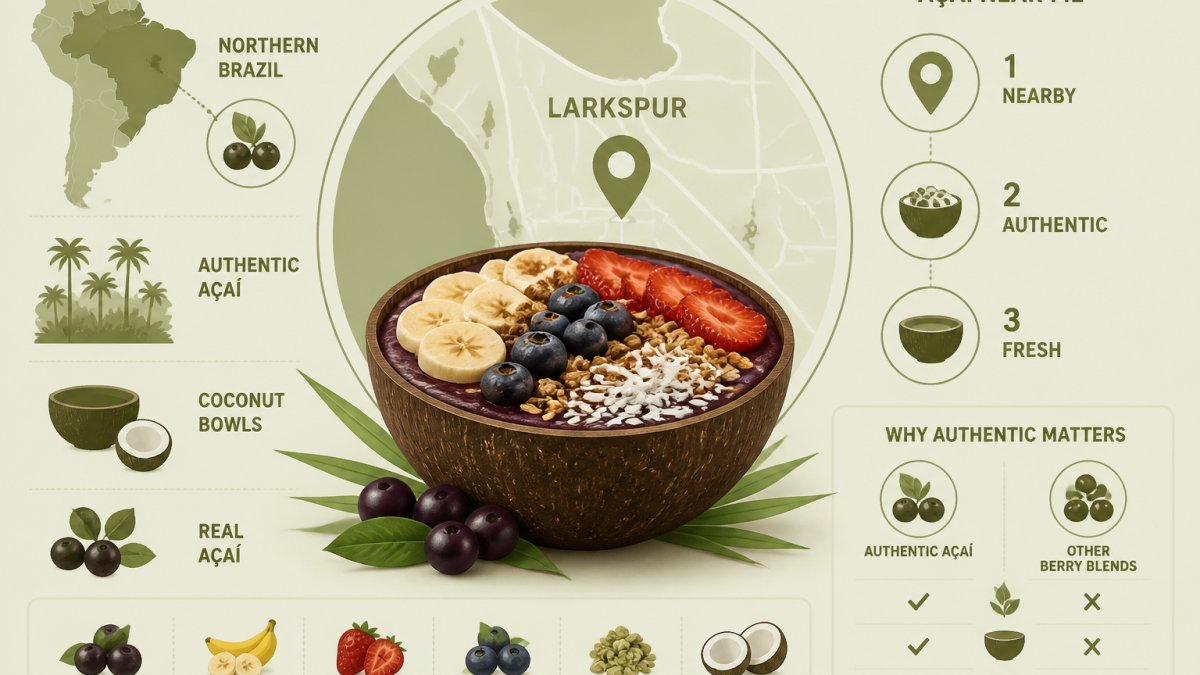
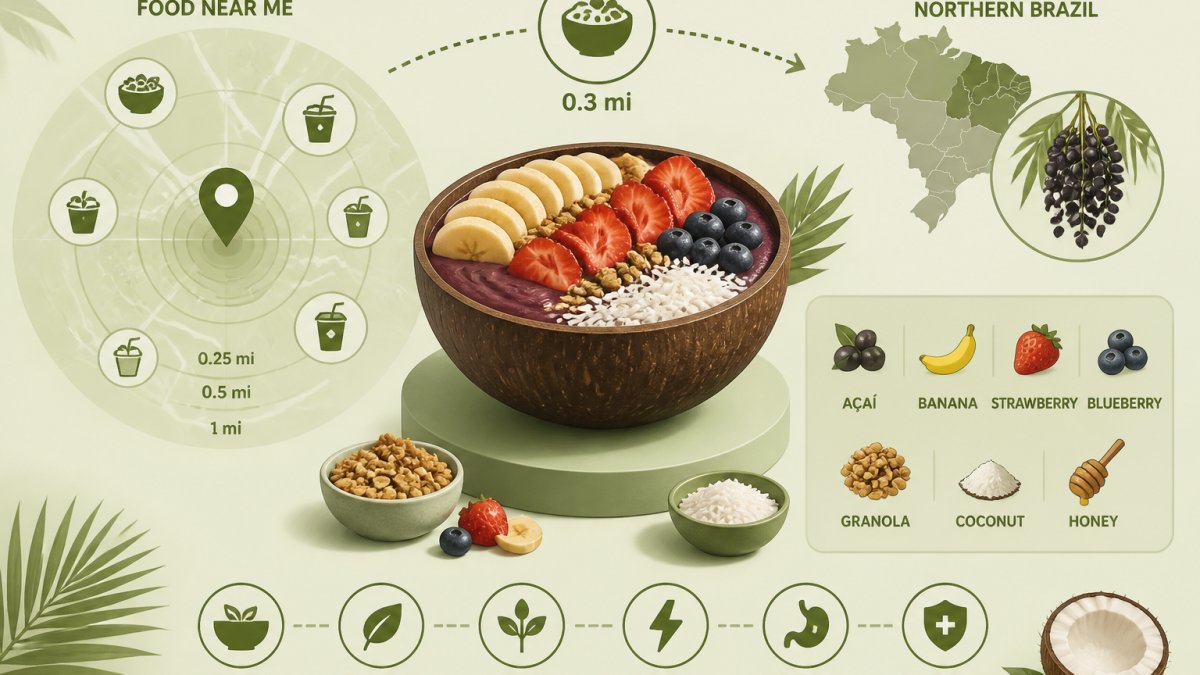
Authentic açai from Northern Brazil is harvested and frozen immediately as puree, no added sugars, fillers, or stabilizers. You're tasting the fruit itself.
Most chains use açai syrup or powder mixed with sweeteners, creating thin, icy texture and ingredient lists full of additives.
At World Green Açai, we source our açai directly from Northern Brazil, which is why our bowls taste completely different from what you'll find elsewhere. We're the only place in California selling authentic açai from that region. That matters more than you'd think.
Why Organic Sourcing Matters
Organic sourcing means no synthetic pesticides, artificial fertilizers, or chemical processing, critical for a delicate, nutrient-dense fruit like açai.
Organic açai is grown without chemical interventions, preserving nutrients that processing shortcuts would dilute.
Healthy Food Delivery Options for Busy Professionals
For busy professionals, the best food delivery options make health-conscious choices as convenient as fast food without sacrificing quality.
Check Google Maps, Yelp, and DoorDash for real-time availability and delivery times. Restaurants appearing across multiple platforms tend to have reliable infrastructure.
Once you've narrowed your options, check three things: delivery speed, order accuracy, and consistency of quality.
Delivery Speed: How to Check Real-Time Estimates
For pickup, check online ordering with ready-time estimates.
Order Accuracy and Customization Options
Look for restaurants offering detailed customization (toppings, portions, dressings, proteins), signaling the kitchen takes individual orders seriously.
Check recent reviews for order accuracy patterns. Multiple mentions of "wrong order" or "missing items" is a red flag; "exactly as ordered" is a green light.
Consistency: The Real Cost Saver
Finding one reliable spot saves hundreds monthly compared to constantly searching for something new.
Local food shops often outperform chain restaurants on consistency because they have smaller menus, tighter quality control, and less staff turnover. A restaurant with 8 bowl options will execute those 8 options more consistently than a chain with 80 menu items.
The best indicator of consistency is how long a restaurant has been in the same location. If a spot has been at the same address for three years or more, they're doing something right. Restaurants with real quality and consistency tend to stick around. Places that rely on hype or low quality tend to disappear quickly.
What to Look for in a Local Food Shop
Evaluating a local food shop comes down to a few key factors. Ingredient quality is first. Does the shop source ingredients intentionally? Can they tell you where things come from? Do they use organic options when available?
Second is ordering convenience. Can you order online? Can you pick up quickly? Do they have a mobile app or multiple ordering platforms? The easier it is to order, the more likely you are to actually use the place.
Third is customer feedback. Check reviews on platforms like Yelp, which aggregates community ratings and photos. Look for patterns in what people say. If five people mention consistency, that's real. If one person mentions it, that's an outlier.
Fourth is transparency about sourcing and preparation. Good food shops are proud of their sourcing story. They display it prominently. They answer questions about where ingredients come from. They don't hide behind vague language.
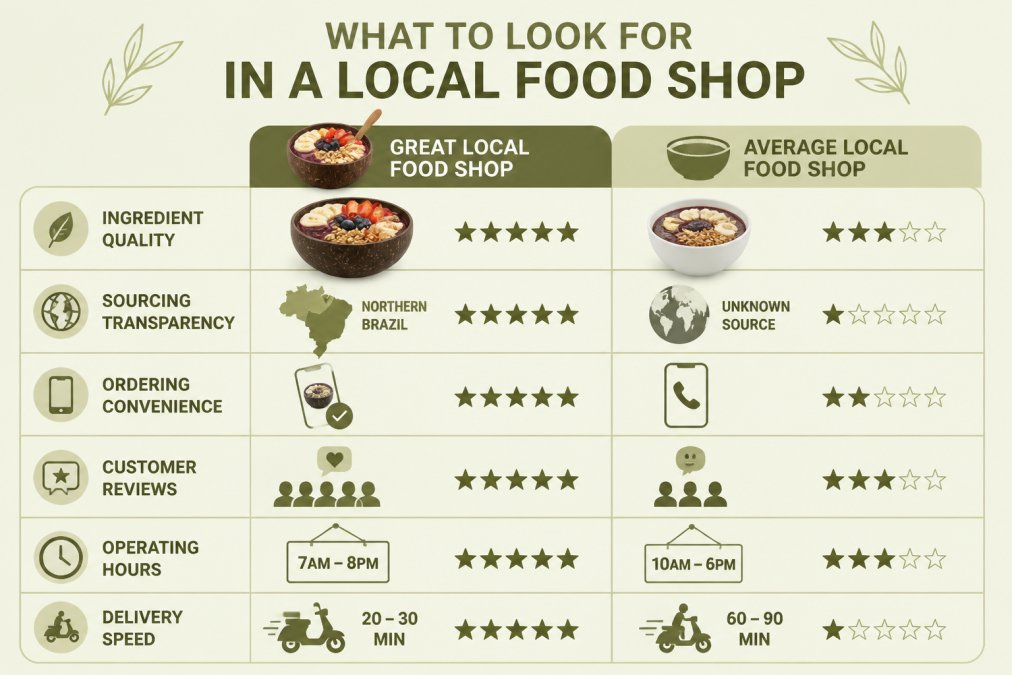
Fifth is operating hours and delivery options. Does the shop have hours that match your schedule? Do they offer delivery, pickup, or both? The most convenient option doesn't help if they're closed when you need them.
Finding Hidden Gems in Your Neighborhood
The best local food spots are rarely the most famous ones. They're the places that do one thing exceptionally well and build a loyal following around it. But finding them requires looking beyond review counts and actually evaluating what matters to your specific situation.
Start with Word-of-Mouth and Specific Recommendations
Ask people who live or work near you, not on social media, but actual conversations. Ask coworkers, neighbors, or people you see regularly at coffee shops. Word-of-mouth recommendations come from people who've actually tried the place multiple times and know what to expect.
When someone recommends a place, ask follow-up questions: "What do you order?" "How long does it take?" "Is it easy to customize?" "Do they have outdoor seating?" These details matter more than a generic "it's great."
Check local community groups on Facebook or Nextdoor. These platforms often have active discussions about neighborhood restaurants, and the recommendations come from people with similar values and proximity to you. You'll find hidden gems there that don't show up in generic "best of" lists.
Evaluate Accessibility and Amenities
Most aggregators and review sites don't highlight accessibility or specific amenities, but these are critical if you have mobility needs, dine with children, or bring pets.
Before visiting, check the restaurant's website or call to ask about:
- Wheelchair accessibility: Is there a ramp or level entry? Are bathrooms accessible? Can you navigate the ordering area in a wheelchair?
- Seating options: Do they have outdoor seating? High-top tables? Booths? Quiet corners? This matters if you're working remotely or bringing kids.
- Pet-friendly policies: Can you bring a dog to an outdoor patio? Are water bowls provided?
- Parking: Is there street parking nearby, or do you need a lot? How far is the walk from parking to the entrance?
- Noise level: Call during a busy time and listen in the background. If you're sensitive to noise, this matters.
Google Maps photos often show the interior and seating layout. Yelp reviews sometimes mention accessibility or kid-friendliness. But the most reliable way is to call or visit in person before committing to a regular order.
Check Real-Time Wait Times and Reservation Availability
Most aggregators show static data. Real-time wait times are harder to find but invaluable if you're in a time crunch.
Google Maps now shows "popular times" for many restaurants, a graph showing how busy they are by hour and day of week.
Longevity and Consistency as Quality Signals
If a spot has been in the same location for three years or more, they're doing something right. Restaurants with real quality and consistency tend to stick around. Places that rely on hype or low quality tend to disappear quickly.
The Hidden Gem Test
A true hidden gem has three characteristics: (1) it's been in the same location for 2+ years, (2) it has consistent 4.5+ star ratings across multiple platforms, and (3) recent reviews mention specific dishes or customizations, not just generic praise. If a place checks all three boxes, it's worth trying.
Budget-Friendly Healthy Eating Without Sacrifice
Healthy eating doesn't have to be expensive if you know where to look. The key is finding places that prioritize ingredient quality over fancy presentation.
Premium Gift Options for Health-Conscious Colleagues
Gift cards from local shops like World Green Açai, beautifully packaged, feel more thoughtful than standard cards.
Frequently Asked Questions
What makes authentic Brazilian açai different from other açai bowls?
Authentic Brazilian açai is sourced from Northern Brazil and has a naturally thick, creamy texture without added sugars or fillers. Many commercial alternatives use açai powder or frozen yogurt bases that taste overly sweet. Real açai bowls rely on the berry's natural flavor and pair it with toppings like granola, fresh fruit, and nuts. The difference is noticeable in texture and taste, genuine açai has a rich, slightly earthy quality that sugar-heavy versions lack.
How can I find high-quality organic açai bowls near me?
Look for shops that source organic açai directly and are transparent about their sourcing. Check customer reviews on platforms like Yelp for mentions of ingredient quality and authenticity. Visit local food shops that emphasize organic ingredients and offer online ordering so you can see their menu and sourcing information before visiting. Many quality shops now highlight their organic certifications and sourcing details on their websites and apps.
Are there convenient ways to order healthy food online for pickup?
Yes. Many local healthy food shops now offer online ordering through their websites or mobile apps, allowing you to skip lines and pick up your order at a scheduled time. Some also partner with delivery platforms for direct-to-you service. Online ordering is ideal for busy professionals. Check your local options on Google Maps, Apple Maps, or dedicated restaurant apps to compare ordering methods and estimated wait times.
What should I look for when choosing a healthy snack shop?
Prioritize ingredient transparency, sourcing practices, and customer feedback. Check if they use organic, whole ingredients without artificial additives. Read reviews that mention consistency, texture, and taste quality. Confirm they offer convenient ordering options like online pickup or delivery. Compare operating hours to your schedule, and verify they have the specific items you want. A good shop will openly share where their ingredients come from and be happy to answer questions about sourcing and preparation.