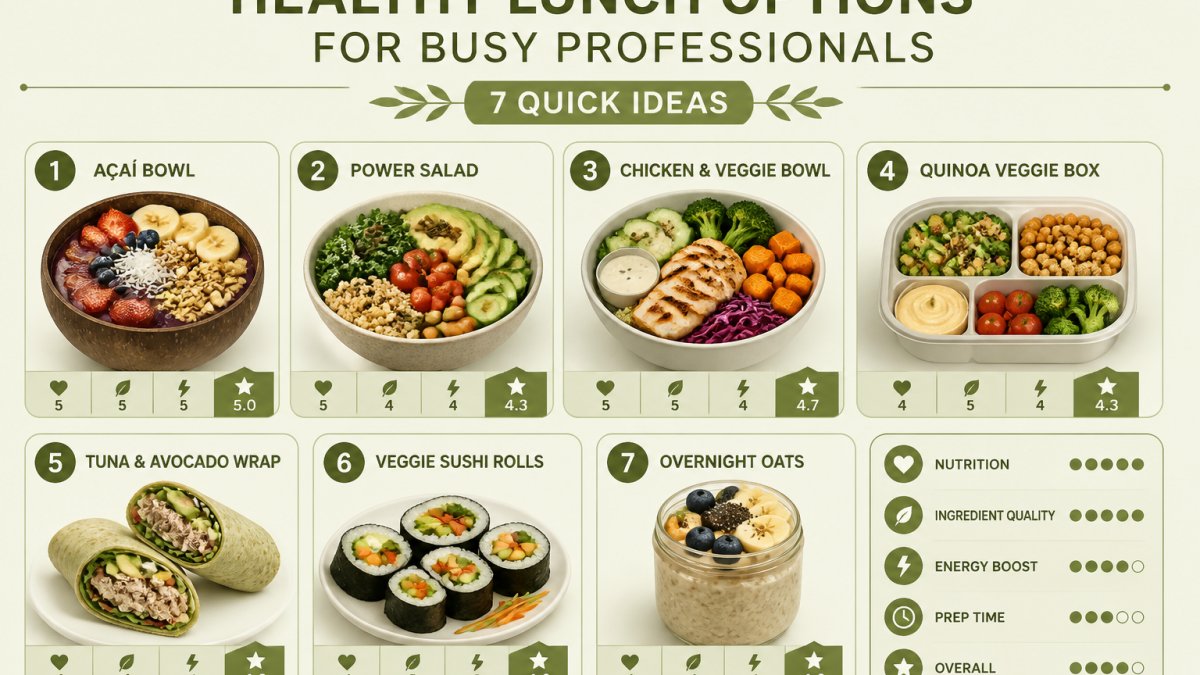
 listicle
Healthy Lunch Options for Busy Professionals: 7 Quick Ideas
Table of Contents
- Quick Healthy Lunch Ideas for the Workweek
- Healthy Meal Prep Lunches You Can Make on Sunday
- High-Protein Lunch Ideas That Keep You Full
- Healthy Grab-and-Go Lunch for Days With No Time
- Wraps, Roll-Ups, and Sandwiches That Travel Well
- Food Safety and Storage: Packing Lunch Without the Risk
- Dietary Needs and Allergen Substitutions
- Budget Planning and Office Equipment Constraints
- Frequently Asked Questions
Last Updated: October 20, 2026
Quick Healthy Lunch Ideas for the Workweek
Healthy lunch options for busy professionals usually come down to one trade-off: speed versus substance. At World Green Açai, we see that trade-off play out every weekday. A balanced work lunch needs three things: a protein source, a fiber-rich carbohydrate, and vegetables, assembled in under 15 minutes or prepped ahead.
Below, we'll show you exactly how to build a repeatable lunch system, from Sunday meal prep to grab-and-go mornings when nothing went to plan. The American Heart Association recommends building work lunches around lean proteins, whole grains, fruits, and vegetables, which is a solid blueprint for any of the ideas here.
Healthy Meal Prep Lunches You Can Make on Sunday
Sunday prep is the backbone of a low-stress workweek. The trick is cooking components in batches rather than five identical containers. Roast a tray of vegetables, cook a pot of grains, and portion proteins, then mix and match through Friday.
Most people prep too much of one thing and get bored by Wednesday. Variety keeps you eating what you packed.
Mason Jar Salads That Stay Crisp
Layer dressings and wet ingredients at the bottom, then hardy vegetables, grains, and protein, and finish with greens on top. The greens never touch the dressing, so the salad holds for three to four days. Use a wide-mouth quart jar, pack it full to reduce air, and shake before eating.
Grain Bowls and Rice Bowls That Reheat Well
Cooked grains reheat better than delicate greens. Build bowls with rice, quinoa, or farro, add roasted vegetables and a protein, and keep sauces separate until lunch. These bowls hold up in a microwave and travel without wilting.
High-Protein Lunch Ideas That Keep You Full
Protein is what separates a lunch that carries you to dinner from one that sends you hunting for snacks by 2 p.m. The practical target most dietitians cite for a work lunch is roughly 25-35 grams of protein, paired with at least 8-10 grams of fiber and a generous serving of vegetables. That combination slows digestion, steadies energy, and makes the afternoon slump less likely.
A simple way to hit those numbers without weighing food is the plate method: fill half the container with vegetables, a quarter with a fiber-rich carbohydrate (whole grains, beans, potatoes), and a quarter with a protein. For a packed lunch, that translates to about one palm-sized portion of protein, one cupped-hand portion of grains or starch, and two fist-sized portions of produce.
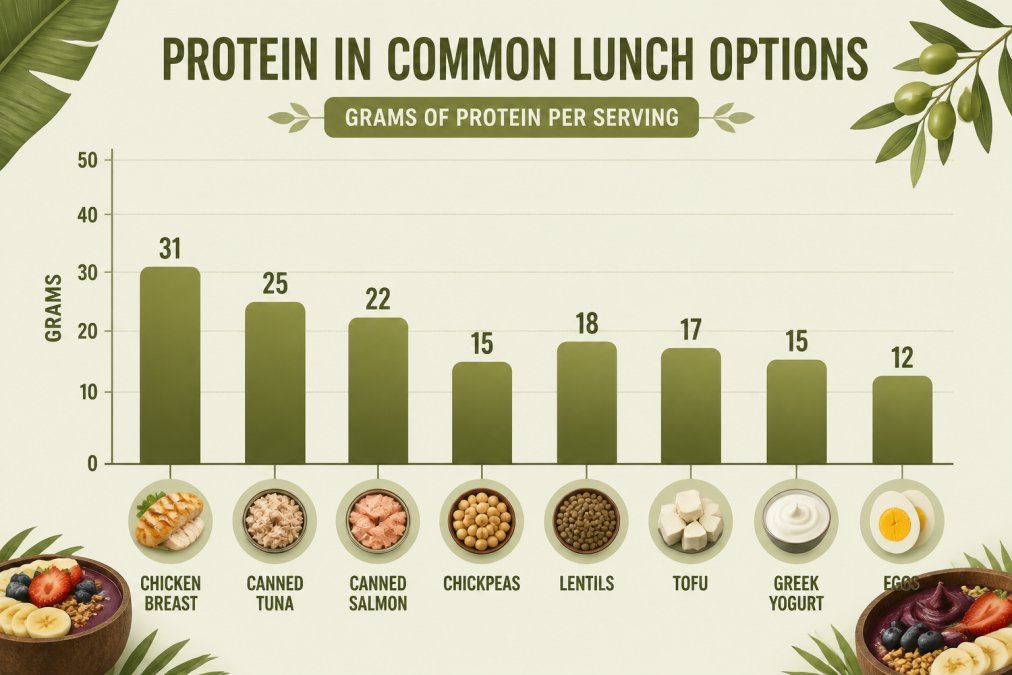
Here is how common lunch proteins stack up so you can build a plate that actually fills you up:
- Chicken breast (3 oz cooked): about 26 g protein, 0 g fiber, pair with beans or a whole grain to add fiber.
- Canned tuna (3 oz, drained): about 20 g protein, 0 g fiber, mix with olive oil, lemon, and white beans for a fiber boost.
- Canned salmon (3 oz, drained): about 20 g protein plus omega-3 fats, mash with avocado and spread on whole-grain bread.
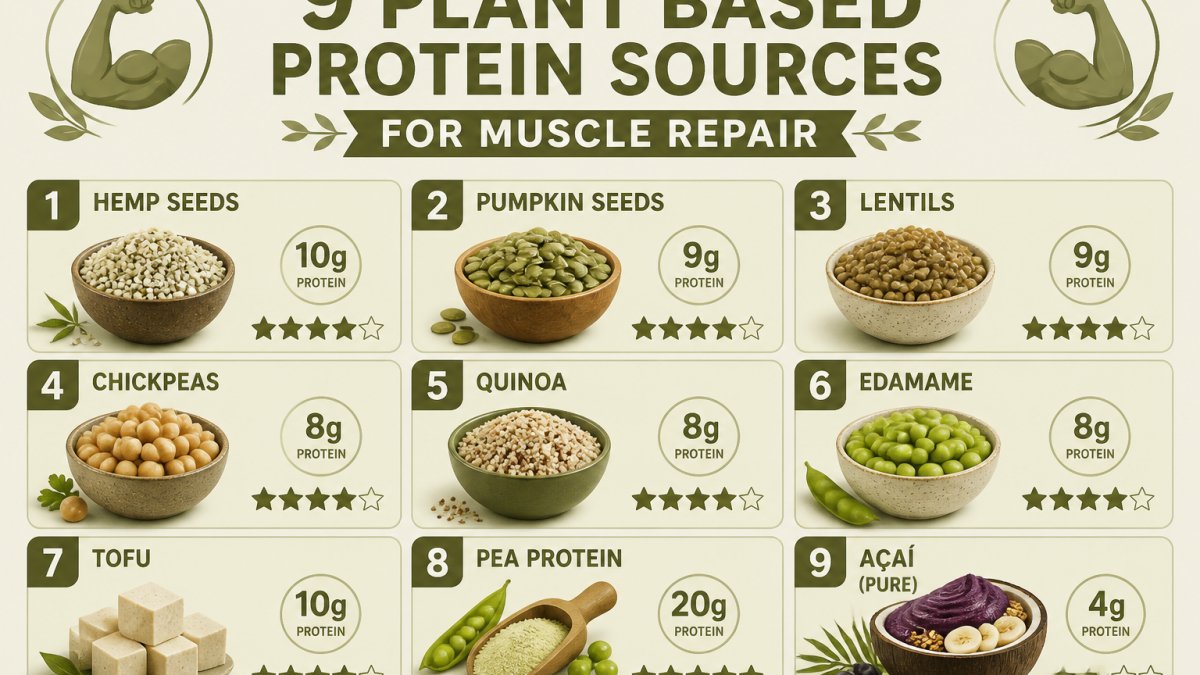
- Lentils (1 cup cooked): about 18 g protein and 15 g fiber, one of the few foods that delivers both protein and fiber in a single scoop.
- Chickpeas (1 cup canned, drained): about 14 g protein and 12 g fiber, roast a tray on Sunday for crunch all week.
- Firm tofu (½ cup): about 10 g protein, cube and pan-sear, or use silken tofu in a blended dressing.
- Greek yogurt (1 cup plain): about 20 g protein, use as a base for savory dips or a side with fruit.
- Eggs (2 large): about 12 g protein, hard-boil a batch on Sunday for grab-and-go mornings.
Rotate through chicken, canned fish, beans, lentils, tofu, Greek yogurt, and eggs so you are not eating the same lunch five days running. Canned tuna and salmon are the quiet workhorses here: no cooking, long shelf life, and easy to mix with a little olive oil and lemon. For plant-based days, lentils and chickpeas deliver protein plus fiber that keeps hunger steady, and they cost less per serving than most animal proteins.
A few high-protein combinations that hit the 25-35 g target without much effort:
- Lentil salad with feta, cherry tomatoes, and a lemon-olive oil dressing (about 22 g protein, 15 g fiber before the feta).
- Greek yogurt bowl with berries, oats, and a spoon of seed butter (about 25 g protein).
- Tuna and white bean salad over greens (about 28 g protein, 10 g fiber).
- Chicken and quinoa bowl with roasted vegetables and tahini (about 30 g protein).
- Tofu and edamame rice bowl with shredded carrot and sesame (about 24 g protein, 8 g fiber).
Healthy Grab-and-Go Lunch for Days With No Time
Some mornings there is no time to assemble anything. That's when a grab-and-go plan earns its keep. Keep single-serve yogurts, string cheese, pre-cut vegetables, and portable fruit stocked so a rushed morning still ends in a real lunch.
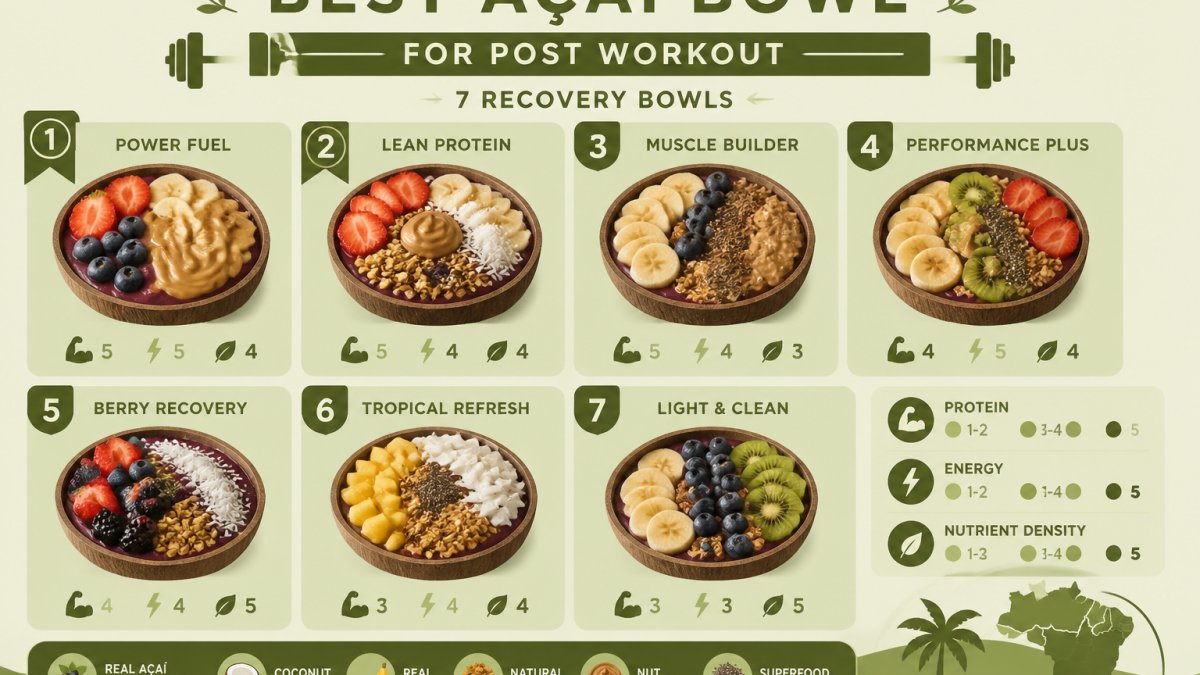
A thick, blended bowl is one of the most portable options we know: order ahead, pick it up, and eat it at your desk or in the car. Our online ordering and mobile app (https://apps.apple.com/us/app/world-green-acai/id6742146656) let you skip the line on exactly those days.
Wraps, Roll-Ups, and Sandwiches That Travel Well
Handheld lunches win on portability. The rule for wraps and sandwiches is simple: keep wet ingredients away from the bread until lunch. Pack spreads, sliced tomatoes, and dressings separately, then assemble at your desk.
- Use whole-grain tortillas or bread for extra fiber
- Layer protein first, then vegetables, to protect the wrap
- Roll tightly in parchment or foil to hold shape
- Rice paper rolls work well with hummus, sliced vegetables, and leftover chicken
Food Safety and Storage: Packing Lunch Without the Risk
Food safety is the part most lunch guides skip, and it matters more than any recipe. Perishable foods should stay out of the temperature danger zone, so use an insulated bag with a frozen ice pack for anything containing meat, dairy, fish, or cut produce.
Follow the USDA's guidance on refrigerating perishable foods promptly, and reheat leftovers until steaming hot. Label containers with the date you packed them, and eat prepped meals within three to four days. When in doubt, throw it out.
Dietary Needs and Allergen Substitutions
Nearly every lunch idea here adapts to common dietary needs with one swap. The key is substituting by function: replace the protein with a plant source, the grain with a gluten-free option, and the dairy with a plant-based alternative.
| Need | Swap Out | Swap In |
|---|---|---|
| Dairy-free | Greek yogurt, cheese | Coconut yogurt, avocado |
| Gluten-free | Wheat wraps, pasta | Rice paper, rice bowls, quinoa |
| Plant-based | Chicken, tuna | Chickpeas, lentils, tofu |
| Nut-free | Pesto, nut butters | Seed-based spreads, hummus |
Check labels on sauces and dressings, since allergens often hide there.
Budget Planning and Office Equipment Constraints
Budget and equipment decide what you can realistically eat at work. Packing lunch most days costs far less than buying daily, and the savings come from a few repeatable habits rather than extreme couponing.
Cost-saving habits that actually stick:
- Cook grains and proteins in batches on Sunday; a pot of rice, a tray of roasted chicken, and a pot of lentils cover several lunches.
- Buy canned fish, beans, and frozen vegetables on sale and keep a shelf-stable backup stash at your desk.
- Use leftovers as tomorrow's bowl base instead of cooking a separate lunch.
- Buy produce that holds up: cabbage, carrots, broccoli, and apples last longer than delicate greens.
- Keep a small bottle of olive oil, vinegar, and a lemon at work so you can dress a plain container instead of buying a side.
A common pattern among professionals who pack lunch consistently is to spend one short planning session a week and one batch-cook session on Sunday. That is usually enough to cover three to four lunches, with grab-and-go backups filling the gaps.
Office equipment shapes the menu. Match your lunch plan to what you actually have at work:
| Equipment available | Best lunch formats | What to avoid |
|---|---|---|
| Microwave + fridge | Grain bowls, soups, reheated leftovers, steamed vegetables | Delicate greens that wilt; fried foods that go soggy |
| Fridge only | Mason jar salads, wraps, sandwiches, yogurt bowls, cold grain salads | Anything that needs reheating to be safe or appetizing |
| No fridge, insulated bag | Insulated bag with ice pack, shelf-stable tuna, fruit, nut butter packets, whole-grain crackers | Cut produce and dairy without a cold source |
| Desk only, short break | Handheld wraps, roll-ups, blended bowls, pre-cut vegetables with hummus | Soups and anything requiring utensils and a table |
If you only have a microwave, grain bowls and soups work well. With just a fridge, lean on mason jar salads and wraps. No fridge at all? Insulated bags, ice packs, and shelf-stable options like canned fish and fruit keep lunch safe. If your break is short, handheld options beat anything that needs assembly.
Frequently Asked Questions
What are 10 healthy lunch ideas for busy professionals?
Ten packable options: a Mason jar salad with chickpeas and feta, a grain bowl with roasted vegetables and chicken, a turkey avocado romaine wrap, a hummus and sliced vegetable sandwich, a lentil and vegetable soup, a rice bowl with canned salmon, a falafel bowl with greens, a pasta salad with pesto and cherry tomatoes, a Greek yogurt bowl with fruit, and an açaí bowl ordered ahead for pickup. Each combines a protein, a whole grain or vegetable base, and produce so it holds you until dinner.
How can you make a healthy lunch quickly on a busy morning?
Keep a short list of no-cook assemblies: canned tuna or salmon with pre-washed greens, hummus with sliced vegetables and whole-grain pita, or a wrap built from leftover chicken and bagged slaw. Portion nuts, cheese, and fruit into containers on Sunday so mornings only require assembly. If you have 15 minutes or less, an online order for pickup removes the line entirely, which is why many professionals pair a grab-and-go lunch with a scheduled pickup window rather than cooking.
What makes a lunch filling and balanced?
A filling lunch pairs protein, fiber, and some fat. The American Heart Association recommends combining lean proteins, whole grains, fruits, vegetables, and low-fat or fat-free dairy. Practically, that means a palm-sized portion of chicken, fish, beans, or tofu; a fist-sized portion of whole grains or starchy vegetables; and at least a cup of vegetables or fruit. Fiber from vegetables, beans, and whole grains slows digestion, while protein supports satiety through the afternoon.
What are easy lunches to meal prep for work?
Grain bowls, Mason jar salads, and sheet-pan chicken with roasted vegetables reheat or hold well. Cook a large batch of rice or quinoa, roast a tray of vegetables, and grill or bake chicken on Sunday, then portion into containers. Keep dressings and sauces separate until the day you eat. For variety, freeze half the batch and rotate in wraps or sandwiches midweek so you are not eating the same meal five days running.
How should I store a packed lunch to keep it safe?
Keep perishable items cold with an insulated bag and a frozen gel pack, and refrigerate promptly once you arrive at the office. The USDA recommends keeping perishable food out of the temperature danger zone between 40°F and 140°F, so limit time at room temperature. Pack dressings and wet ingredients separately from greens, and label containers with the date you packed them so leftovers get eaten within a safe window.
Building a workweek of healthy lunches takes a system, not willpower. When the prep falls through, World Green Açai is here to fill the gap with organic açaí bowls you can order ahead through our app or online, skip the line, and pick up in minutes. Our bowls are made with the finest organic berries, and our online ordering and mobile app make a nutrient-packed lunch the easy choice on your busiest days. Order online and make lunch one less thing to plan.