 ultimate-guide
Authentic Brazilian Açaí Bowl Ingredients: A Complete Guide
Table of Contents
- What Makes Authentic Brazilian Açaí Bowl Ingredients Different
- Essential Ingredients for Authentic Açaí Bowls
- How to Make Açaí Na Tigela: Step-by-Step Preparation
- Best Açaí Bowl Toppings: Traditional and Contemporary
- Sourcing Authenticity: Recognizing Real Açaí Quality
- Regional Variations and Ingredient Substitutions
- Conclusion
Last Updated: August 25, 2026
What Makes Authentic Brazilian Açaí Bowl Ingredients Different
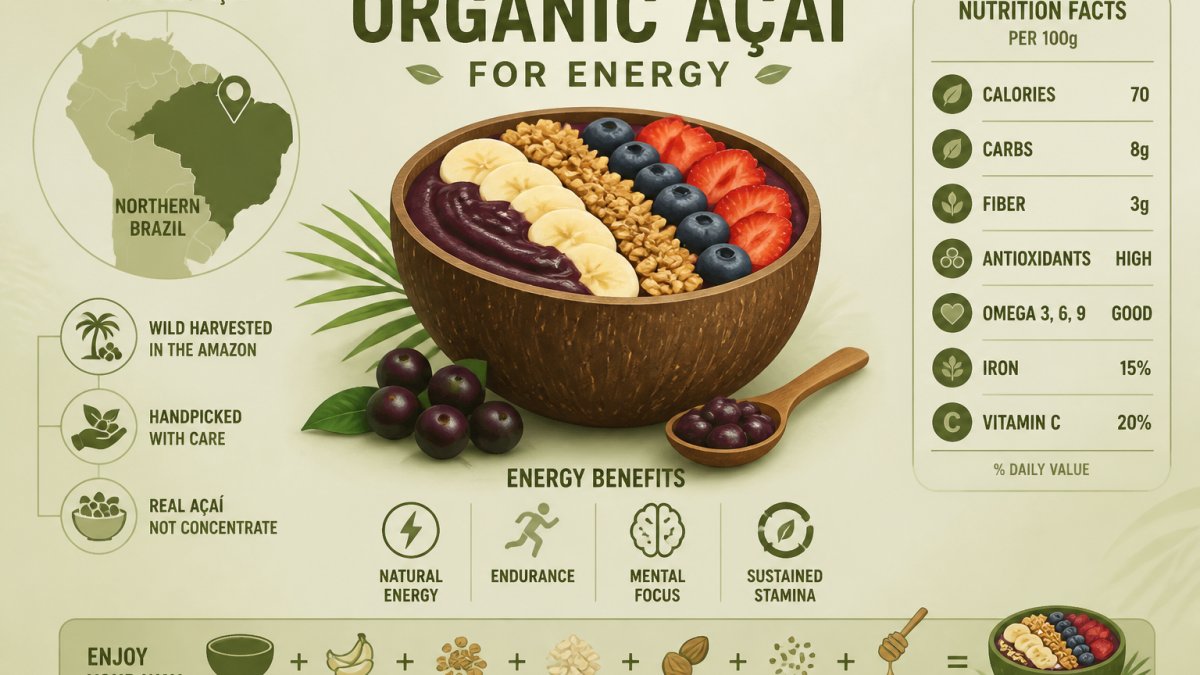
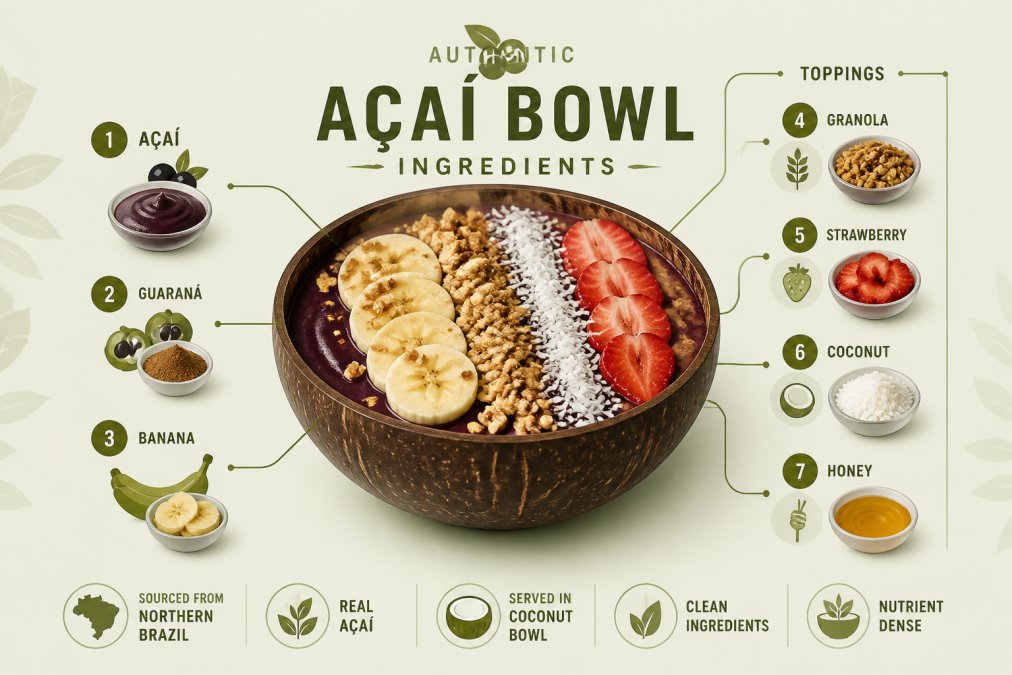
The difference between a genuine açaí bowl and a sugary frozen yogurt impostor comes down to ingredient authenticity. At World Green Açai, we source the finest authentic acai bowl ingredients to deliver the real experience. An authentic açaí bowl starts with wild-harvested açaí pulp from the Amazon, not powder or concentrate, combined with guaraná syrup that adds both sweetness and the traditional energizing quality that makes these bowls legendary in Brazil.
Real açaí has a specific texture, flavor profile, and nutritional density that cannot be replicated by substitutes. The creamy, almost ice-cream-like consistency that defines a proper açaí na tigela (açaí in a bowl) requires understanding how each ingredient contributes to the final texture. Temperature control, blending technique, pulp quality, and topping ratios all determine whether you end up with something authentic or just another sugar bomb.
USDA guidance on imported foods and authenticity standards
Essential Ingredients for Authentic Açaí Bowls
Wild-Harvested Açaí Pulp: The Foundation
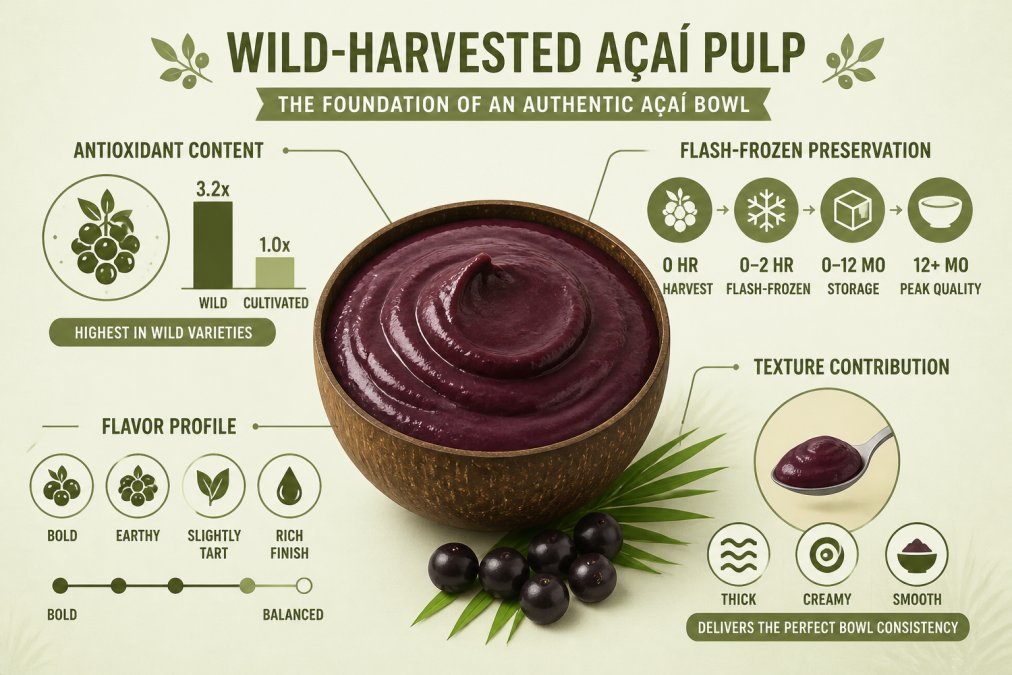
Wild-harvested açaí pulp is the non-negotiable foundation of any authentic açaí bowl. Unlike powder or concentrate, which are processed and often mixed with fillers, true açaí pulp is flash-frozen at peak ripeness directly after harvest. This preservation method locks in the deep purple color, the subtle earthy flavor, and the antioxidant density that make açaí a superfood.
Authentic acai bowl ingredients begin with berries harvested from wild Amazonian palms, not cultivated plantations. Wild-harvested açaí contains higher nutritional density and a more complex flavor profile, slightly tart, earthy, with hints of dark chocolate. When you blend this pulp, it creates a naturally creamy base without requiring dairy or emulsification agents.
Flash-frozen pulp typically comes in 3.5-ounce packets or larger blocks. Allow pulp to sit at room temperature for 5-10 minutes before blending. If you thaw it too quickly or too slowly, the emulsification breaks down and you'll end up with a watery or grainy consistency instead of that signature creamy mouthfeel.
The Role of Guaraná Syrup in Tradition
Guaraná syrup, or xarope de guaraná, is the ingredient that separates authentic Brazilian açaí bowls from international knockoffs. Guaraná is a climbing plant native to the Amazon basin, and its seeds contain nearly twice the caffeine of coffee beans. When reduced into syrup, guaraná adds both sweetness and a gentle energy boost that's been part of Brazilian culture for centuries.
The traditional ratio is simple: one part guaraná syrup to every three parts açaí pulp by volume. This creates the perfect balance of sweetness without overpowering the açaí's natural flavor. Unlike refined sugar or agave, guaraná syrup carries tannins and compounds that enhance the overall flavor profile and add subtle complexity that most commercial bowls lack entirely.
If you cannot source genuine guaraná syrup, the bowl stops being authentically Brazilian and becomes a generic acai bowl.
Frozen Açaí Pulp vs. Powder: Which Delivers Authenticity
Frozen açaí pulp is whole fruit flash-frozen immediately after harvest. Powder is processed: the pulp is dried, often mixed with binders or fillers, and reduced to a shelf-stable form. For authentic acai bowl ingredients, frozen pulp wins decisively.
Powder requires reconstitution, which introduces water and dilutes the flavor. It also often contains additives like maltodextrin, cellulose, or gums that change the texture and mouthfeel. When you blend frozen pulp directly, you get pure açaí with no intermediaries. The creamy consistency comes from the fruit's natural pectin and fat content, not from added thickeners.
Frozen pulp requires reliable cold storage and thawing discipline, but for anyone serious about authentic bowls, it's the only option.
How to Make Açaí Na Tigela: Step-by-Step Preparation
Achieving the Perfect Creamy Consistency
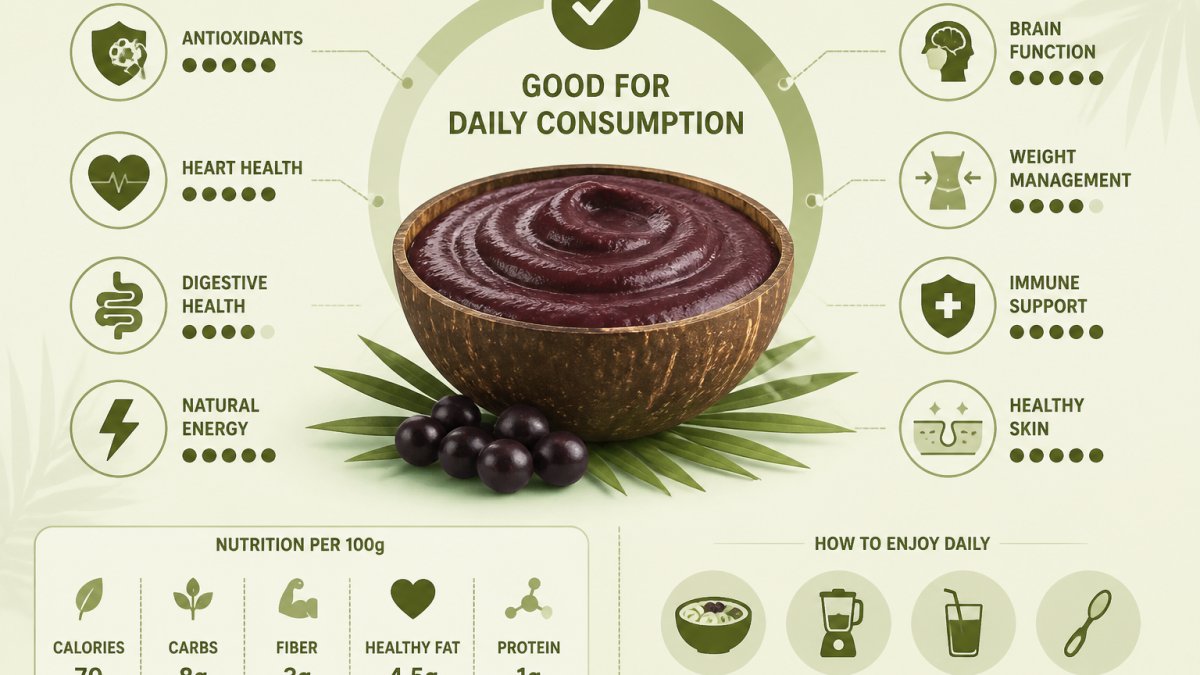
The creamy consistency that defines a proper açaí na tigela is the result of precise technique. Most home attempts fail because people either over-blend (creating a thin, watery texture) or under-blend (leaving the mixture grainy and icy). The target is a texture that's thicker than a smoothie but spoonable, almost like soft-serve ice cream.
Start with frozen açaí pulp that's been sitting at room temperature for exactly 5 minutes. Add one tablespoon of guaraná syrup and a quarter cup of fruit puree (mango, strawberry, or acai-specific purees work best) to your high-speed blender. Blend on medium speed for 8-12 seconds. You should see a thick, almost paste-like mixture that holds its shape. If it's too thin, you've over-blended or your pulp was too warm. If it's too thick, add one tablespoon of fruit puree at a time until you reach the target consistency.
Blending Technique and Temperature Control
A high-speed blender generates friction heat, and if you blend too long, the mixture warms up and loses its creamy structure. For home preparation, use these techniques to maintain temperature:
- Use frozen fruit puree instead of fresh or liquid fruit to keep the mixture cold
- Chill your blender pitcher beforehand by running ice water through it
- Work quickly: blend, stop, assess, adjust, never blend continuously for more than 15 seconds
- If the mixture begins to warm, pause and let it sit for 30 seconds before continuing
- Serve immediately after blending; the bowl begins to separate within 5 minutes
The ideal serving temperature is just below freezing, around 28-32°F. This narrow temperature window is why timing and technique matter so much.
Best Açaí Bowl Toppings: Traditional and Contemporary
Traditional Brazilian Toppings
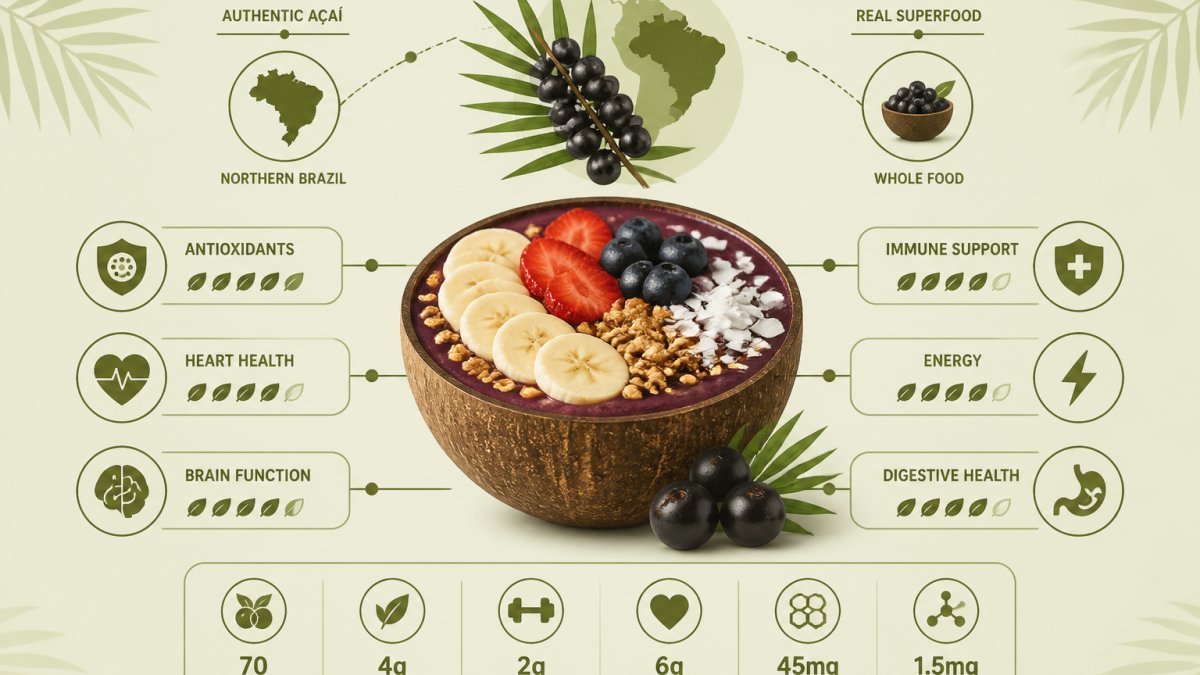
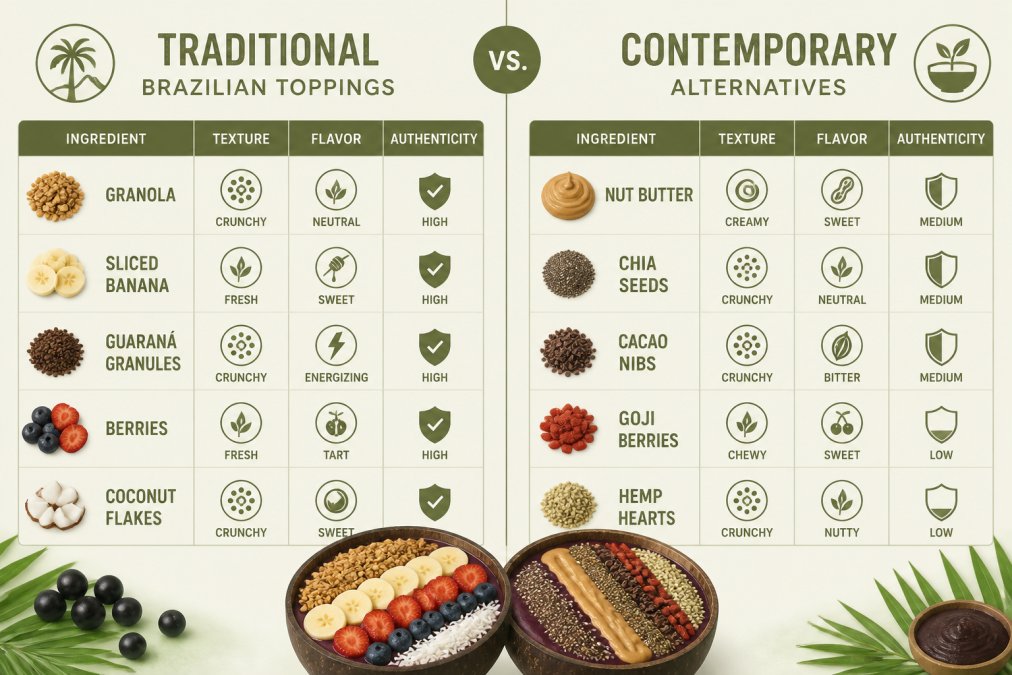
Authentic Brazilian açaí bowls keep toppings simple and purposeful. The traditional combination, granola, sliced banana, and guaraná granules, isn't arbitrary. Granola adds crunch and textural contrast to the creamy base. Sliced banana provides freshness and a slight sweetness that complements the tart açaí. Guaraná granules reinforce the authentic flavor profile and add visual appeal.
In Brazil, toppings are arranged in a specific way: a generous handful of granola around the outer edge, sliced banana arranged in a fan pattern in the center, and a light dusting of guaraná granules across the top. This ensures that each spoonful contains the right ratio of creamy açaí to crunchy granola to fresh fruit.
Beyond the classic trio, authentic Brazilian bowls sometimes include fresh berries, shredded coconut, or honey drizzled in a thin stream. The key principle is restraint. A proper açaí bowl should showcase the açaí itself, not bury it under excessive toppings.
Topping Ratios and Texture Balance
The ideal ratio is roughly one part toppings to three parts açaí base by volume. A standard 8-ounce bowl should contain approximately 6 ounces of blended açaí and 2 ounces of combined toppings. Within that 2 ounces, granola should occupy about half, fresh fruit about a quarter, and other toppings the remaining quarter.
Texture balance is equally important. A well-balanced bowl alternates between creamy (the base), crunchy (granola), and fresh (banana and berries) with each spoonful. This is why the traditional Brazilian combination works so well, it hits all three texture categories without complexity.
Sourcing Authenticity: Recognizing Real Açaí Quality
Authentic acai bowl ingredients start with recognizing what real açaí looks like, tastes like, and costs. Real açaí pulp is deep purple, almost black, with a subtle earthy aroma. If it smells artificially sweet or fruity, it's been adulterated. The flavor should be slightly tart, with a hint of earthiness, not sweet on its own.
Real wild-harvested açaí pulp costs significantly more than powder or concentrate because the sourcing, flash-freezing, and logistics are expensive. If a supplier is offering açaí pulp at prices that seem too good to be true, the product has likely been cut with cheaper berries or processed into a lower-quality form.
Look for suppliers who can trace their açaí back to specific regions in the Amazon. The best sources come from Northern Brazil, where the palms grow wild and harvesting practices are sustainable. Reputable suppliers will provide harvest dates and information about their sourcing partnerships.
FDA guidelines on imported fruit authenticity and labeling
Regional Variations and Ingredient Substitutions
Rio-Style vs. International Interpretations
Rio-style açaí bowls are thicker and more austere than what most international cafes serve. Rio bowls use less fruit puree (or none at all), rely entirely on guaraná syrup for sweetness, and keep toppings minimal. The focus is on the açaí itself, not on creating a dessert-like experience.
International versions, particularly those popular in the United States, often add extra fruit purees, honey, or yogurt to sweeten the base and make it more palatable to Western tastes. They also tend to be more heavily topped, turning the bowl into a breakfast dessert rather than a traditional street food.
If you're seeking authenticity, Rio-style is the reference point. Understanding these variations helps you appreciate why authentic acai bowl ingredients matter, different regions emphasize different elements based on local availability and cultural preferences.
Ingredient Substitutions for Dietary Restrictions
For dairy-free bowls, skip any yogurt or milk additions and rely on the natural creaminess of the açaí pulp itself. For nut-free diets, substitute granola with seeds or coconut flakes. For those avoiding refined sugar, reduce or eliminate added syrups and rely on the natural sweetness of fruit purees and banana.
The challenge with substitutions is maintaining the texture and flavor balance that makes the bowl work. If you remove guaraná syrup entirely, the bowl loses its signature energy and flavor anchor. A compromise is to reduce the amount rather than eliminate it.
Food Allergen Labeling and Consumer Protection Act requirements
Authentic açaí bowls are more than a trendy breakfast option, they're a direct connection to Amazonian tradition and the precision required to honor that heritage. The difference between a genuine bowl and a sugar-laden impostor hinges on understanding authentic acai bowl ingredients: wild-harvested pulp, guaraná syrup, proper blending technique, and restraint in toppings.
When you're ready to experience the real thing, World Green Açai delivers authentic bowls crafted with the finest organic açaí from Northern Brazil and traditional ingredients. Skip the lines with our online ordering through the World Green Açai mobile app or visit our location in Larkspur to taste the difference that genuine sourcing and proper technique make.
Frequently Asked Questions
What exactly is real Brazilian açaí, and how is it different from what I find in stores?
Real Brazilian açaí is a dark purple berry from Amazonian palm trees, flash-frozen as pulp within hours of harvest to preserve its antioxidants and nutritional density. Commercial versions often use powder, added sweeteners, or lower-quality pulp that lacks the authentic creamy mouthfeel and complex flavor profile. Authentic açaí na tigela relies on wild-harvested, minimally processed pulp from Northern Brazil, not the sugary commercial blends many bowls use. Quality matters: genuine açaí tastes earthy and slightly tart, never overly sweet.
Do authentic Brazilian açaí bowls contain milk or yogurt?
Traditional açaí na tigela does not contain milk or yogurt. Instead, it achieves its creamy consistency through the natural emulsification of the açaí pulp itself when blended at the right temperature and ratio. The pulp's fat content creates that signature ice-cream-like texture without dairy. Some modern interpretations add coconut milk or almond milk for dietary preferences, but purist recipes rely entirely on the pulp's inherent properties to develop the proper mouthfeel and texture.
Why is guaraná syrup so important in authentic açaí bowls?
Guaraná syrup (xarope de guaraná) is a traditional Brazilian ingredient that adds natural sweetness, subtle flavor complexity, and a mild energy boost from guaraná berries native to the Amazon. It's not just a sweetener, it's a cultural cornerstone of authentic açaí na tigela, providing the distinctive taste profile that sets real Brazilian bowls apart from international versions. The syrup enhances the nutritional density and flavor profile while maintaining the superfood integrity of the dish. Without it, you're missing a key element of authenticity.
How do I achieve that thick, creamy texture if I'm making açaí bowls at home?
The creamy consistency depends on three factors: using high-quality frozen açaí pulp (not powder), the correct pulp-to-liquid ratio (typically 1 part pulp to 0.5 parts liquid), and a high-speed blender that can emulsify the mixture properly. Thawing time matters too, pulp that's too cold becomes icy, too warm becomes thin. Blend until smooth but not over-blended, and serve immediately at the right temperature. Most home cooks fail because they use too much liquid or low-speed blenders that don't activate the pulp's natural emulsification.
What's the difference between frozen açaí pulp and powder, and which is more authentic?
Frozen açaí pulp is whole berry that's been flash-frozen, preserving its full nutritional profile, antioxidants, and natural creamy texture. Powder is dehydrated pulp that's easier to store but loses some nutritional potency and requires more liquid to reconstitute, resulting in a thinner consistency. For authentic açaí na tigela, frozen pulp is the standard, it delivers the superior mouthfeel, flavor profile, and nutritional density that defines real Brazilian bowls. Powder is convenient but compromises on authenticity and texture quality.
What are the core ingredients in an original Brazilian açaí bowl?
An original açaí na tigela contains just a few essential ingredients: wild-harvested frozen açaí pulp (the base), guaraná syrup (sweetener), and toppings like granola for crunch, sliced banana for freshness, and sometimes berries for additional antioxidants. Some recipes include a small amount of coconut milk or fruit puree to adjust consistency, but the focus stays on the quality of the pulp and the balance of textures. Simplicity is key, authentic bowls highlight the ingredient quality rather than masking it with excessive add-ons.
How do I know if the açaí I'm buying is actually organic and high-quality?
Look for certifications from USDA Organic or equivalent bodies, clear sourcing information from Northern Brazil, and suppliers who specify that their açaí is wild-harvested and flash-frozen. Authentic suppliers provide transparency about harvest dates, freezing methods, and pulp origin. Check the ingredient list, it should show only açaí, with no added sugars, fillers, or emulsifiers. Reputable sources often highlight their direct relationships with Amazonian producers and can verify their supply chain. If a supplier can't answer questions about sourcing, the quality is questionable.
What's the difference between Rio-style and international açaí bowls?
Rio-style (or traditional Brazilian) açaí bowls emphasize simplicity and ingredient quality, using guaraná syrup, minimal toppings, and a focus on the pulp's natural flavor and creamy texture. International versions often add yogurt, milk, or excessive sweeteners, and feature creative toppings that prioritize visual appeal over authenticity. Rio-style bowls are thicker, more savory-leaning, and served in smaller portions as a complete meal or recovery snack. International adaptations tend to be sweeter, larger, and designed for Western palates, sometimes sacrificing nutritional density for convenience.
This article was written using GrandRanker