 ultimate-guide
Is Acai Berry Pulp Healthy for Daily Consumption?
Table of Contents
- What Makes Acai Berry Pulp Nutritionally Dense
- Antioxidants and Heart Health Benefits
- Acai Bowl Sugar Content: What You Need to Know
- Daily Serving Size of Acai: How Much Is Safe
- Acai Berry Side Effects and Safety Considerations
- Bioavailability: Frozen vs. Freeze-Dried Pulp
- Choosing Authentic, Organic Acai for Daily Use
- Frequently Asked Questions
Last Updated: September 28, 2026
What Makes Acai Berry Pulp Nutritionally Dense
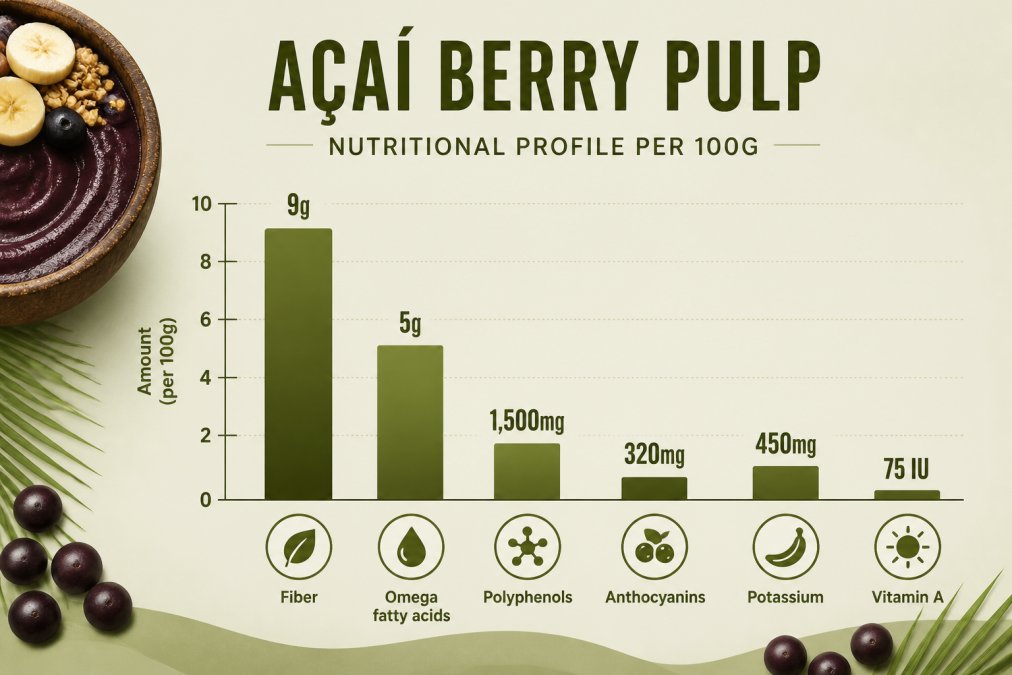
Acai berry pulp healthy choice is packed with compounds that set it apart from most fruits. The berries contain high concentrations of polyphenols and anthocyanins, which are powerful antioxidants that help protect your cells from damage. Beyond antioxidants, acai pulp delivers omega fatty acids (similar to those found in fish), fiber, and essential micronutrients like potassium and manganese.
A single serving of acai berry pulp contains roughly 4 grams of fiber, which supports digestive health and helps maintain steady blood sugar levels. The nutrient density is particularly impressive when you consider the caloric content, acai delivers substantial nutritional value without excessive calories, making it an efficient choice for people seeking maximum nutrition per bite.
What makes acai berry pulp stand out is the synergy between its nutrients. The combination of fiber, healthy fats, and micronutrients works together to support metabolic health. This is why acai berry pulp healthy option has become a staple for health-conscious eaters looking for genuinely nutrient-rich foods rather than empty calories.
Antioxidants and Heart Health Benefits
The antioxidants in acai berry pulp, particularly anthocyanins and polyphenols, work to neutralize free radicals in your body. Free radicals are unstable molecules that can damage cells and contribute to chronic disease. By consuming foods rich in these antioxidants, you're giving your body tools to manage oxidative stress.
Heart health specifically benefits from regular acai consumption. The polyphenols in acai have been associated with improvements in how your body manages cholesterol levels and blood pressure. The omega fatty acids present in acai pulp support cardiovascular function, similar to the benefits attributed to fish oils. These compounds work together to create an environment where your heart and arteries can function optimally.
The anti-inflammatory properties of acai berry pulp deserve mention here. Chronic inflammation is linked to most major diseases, from heart disease to diabetes. Acai's nutrient profile helps reduce systemic inflammation, which indirectly supports heart health and overall metabolic wellness. This is particularly relevant for people with sedentary lifestyles or those managing metabolic conditions.
Acai Bowl Sugar Content: What You Need to Know
Here's where most acai marketing gets dishonest: the pulp itself contains natural sugars, but commercial acai bowls often contain far more sugar than the fruit alone. A typical acai bowl from a café can contain 40-60 grams of added sugar when you factor in sweetened yogurt, granola, honey drizzles, and fruit toppings.
The acai berry pulp itself is relatively moderate in natural sugar, roughly 2-3 grams per 100-gram serving. The problem emerges when you combine it with other ingredients. Store-bought granola can add 15-20 grams of sugar per serving. Sweetened yogurt adds another 10-15 grams. Honey and other toppings push the total higher still.
If you're making acai bowls at home, you control the sugar content completely. Using unsweetened yogurt, limiting honey to a drizzle, and choosing low-sugar toppings like nuts and seeds keeps your bowl's total sugar under 15 grams. This is dramatically different from café versions, which often rival desserts in their sugar load.
The glycemic index of pure acai pulp is relatively moderate, meaning it won't spike your blood sugar as dramatically as refined carbohydrates. However, when combined with high-sugar toppings and sweetened bases, the overall glycemic impact increases significantly. This matters if you're managing blood sugar for any reason.
Daily Serving Size of Acai: How Much Is Safe
The ideal daily serving size of acai berry pulp is 100-150 grams, which is roughly equivalent to one standard acai bowl base. This amount provides meaningful antioxidant benefits without excessive calories or sugar. Most people can safely consume this amount daily without concern.
Some people consume larger quantities, 200 grams or more, without issues, but there's no documented benefit to exceeding 150 grams daily. More acai doesn't mean more health benefits; it simply means more calories and natural sugars. The nutrient density plateaus, so additional servings offer diminishing returns.
For people new to acai, starting with 100 grams daily allows your digestive system to adjust. Acai is high in fiber, and introducing it gradually prevents potential digestive discomfort. After a week or two, most people adjust completely and can increase to their preferred serving size.
Consistency matters more than quantity. Consuming 100 grams of acai berry pulp daily provides more cumulative benefit than consuming 300 grams once per week. The antioxidants and nutrients work best when delivered regularly to your system.
Acai Berry Side Effects and Safety Considerations
Acai berry pulp is generally safe for most people, but certain groups should exercise caution. The primary concern involves the fiber content; consuming large quantities of acai without adequate water intake can cause digestive discomfort, including bloating or constipation. This is easily prevented by drinking sufficient water throughout the day.
Medication Interactions and Blood Thinning
People taking anticoagulant or antiplatelet medications should consult their healthcare provider before adding acai to their daily diet. The polyphenols in acai, particularly anthocyanins, have mild anticoagulant properties that can potentiate the effects of blood-thinning drugs. This is most relevant for people on:
- Warfarin (Coumadin)
- Clopidogrel (Plavix)
- Aspirin therapy for cardiovascular prevention
- Direct oral anticoagulants (DOACs) like apixaban or rivaroxaban
The interaction is not severe enough to prohibit acai consumption, but the timing and consistency of intake matter. If you consume acai sporadically, the effect is negligible. If you plan daily consumption, your healthcare provider may need to adjust medication dosing or monitor your International Normalized Ratio (INR) more frequently. The key is transparency with your medical team about dietary changes.
Potassium Content and Kidney Function
People with chronic kidney disease (CKD) or those taking potassium-sparing diuretics (such as spironolactone) should be cautious with acai's potassium content. Acai contains roughly 450 milligrams of potassium per 100-gram serving. For people with Stage 3 or advanced CKD, potassium accumulation can become problematic. A conversation with your nephrologist or primary care provider clarifies whether acai fits your specific situation and at what serving size.
Allergic Reactions
Allergic reactions to acai are rare but possible, particularly in people with pollen allergies or sensitivities to berries. Symptoms would be typical of food allergies: itching in the mouth, swelling of the lips or throat, or gastrointestinal upset. If you experience these symptoms, discontinue use and consult a healthcare provider. People with birch pollen allergies have a slightly elevated risk due to cross-reactivity with berry proteins.
Bioavailability: Frozen vs. Freeze-Dried Pulp
The form of acai you consume directly affects how effectively your body absorbs and utilizes its nutrients. Understanding the trade-offs between frozen and freeze-dried pulp helps you make an informed choice for daily consumption.
Frozen Acai Pulp
Frozen acai pulp maintains approximately 85-90% of the original antioxidant profile because freezing halts enzymatic degradation without destroying cellular structures. The polyphenol and anthocyanin content remains largely intact because the freezing process occurs within hours of harvest, before oxidation can significantly degrade these compounds. When you consume frozen acai, your digestive system can access the nutrients relatively efficiently; the cell walls are still intact, allowing your gut to extract and absorb the bioactive compounds.
The downside is that frozen pulp requires thawing, which can introduce oxidative stress if left at room temperature for extended periods. Once thawed, acai begins to degrade; consuming it within 24 hours of thawing preserves maximum nutrient density.
Freeze-Dried Acai Powder
Practical Bioavailability Comparison
Choosing Based on Your Routine
Choosing Authentic, Organic Acai for Daily Use
Authenticity matters when selecting acai berry pulp for daily consumption. The acai berry grows exclusively in the Amazon rainforest of Northern Brazil, and genuine acai pulp comes from that region. Many products labeled "acai" are actually blends containing minimal acai mixed with cheaper fruits like açai from other regions or entirely different berries.
Frequently Asked Questions
Is it safe to drink acai berry pulp every day?
Yes, acai berry pulp is generally safe for daily consumption when consumed in appropriate serving sizes (typically 100-150 grams per day). The pulp contains no known toxins and provides beneficial polyphenols and antioxidants. However, those with birch pollen allergies, kidney disease, or taking blood thinners should consult a healthcare provider first. Quality matters: authentic, organic acai pulp from reputable sources ensures you're getting pure fruit without added sugars or preservatives that could make daily consumption problematic.
What is the recommended daily serving size of acai?
A standard daily serving of acai berry pulp ranges from 100-150 grams (about 3.5-5 ounces), typically consumed once per day as part of a bowl or smoothie. This amount provides substantial antioxidant and fiber benefits without excessive caloric intake. If you're consuming acai bowls with added toppings, watch total sugar content, as granola, honey, and sweetened yogurt can quickly exceed recommended daily sugar limits. Start with 100 grams if you're new to acai to assess tolerance.
What are the potential side effects of acai berry pulp?
Most people tolerate acai well, but potential side effects include digestive upset (bloating, diarrhea) if consumed in large quantities, allergic reactions in those sensitive to birch pollen, and interactions with blood-thinning medications due to its anticoagulant properties. High-sugar commercial acai bowls can spike blood glucose in people with diabetes. Those with kidney disease should moderate intake due to potassium content. Start with small amounts to monitor your individual response.
How does frozen vs. freeze-dried acai pulp affect nutrient bioavailability?
Frozen acai pulp retains approximately 85-90% of its original anthocyanins and polyphenols because freezing halts enzyme activity without heat exposure. Freeze-dried pulp concentrates nutrients by removing water, making it more nutrient-dense per gram, but the freeze-drying process can reduce some heat-sensitive compounds slightly. Both forms maintain excellent bioavailability when consumed fresh or reconstituted. Frozen pulp provides a creamier texture ideal for bowls, while freeze-dried powder works better for smoothies and supplements. Choose based on your intended use rather than assuming one is inherently superior.