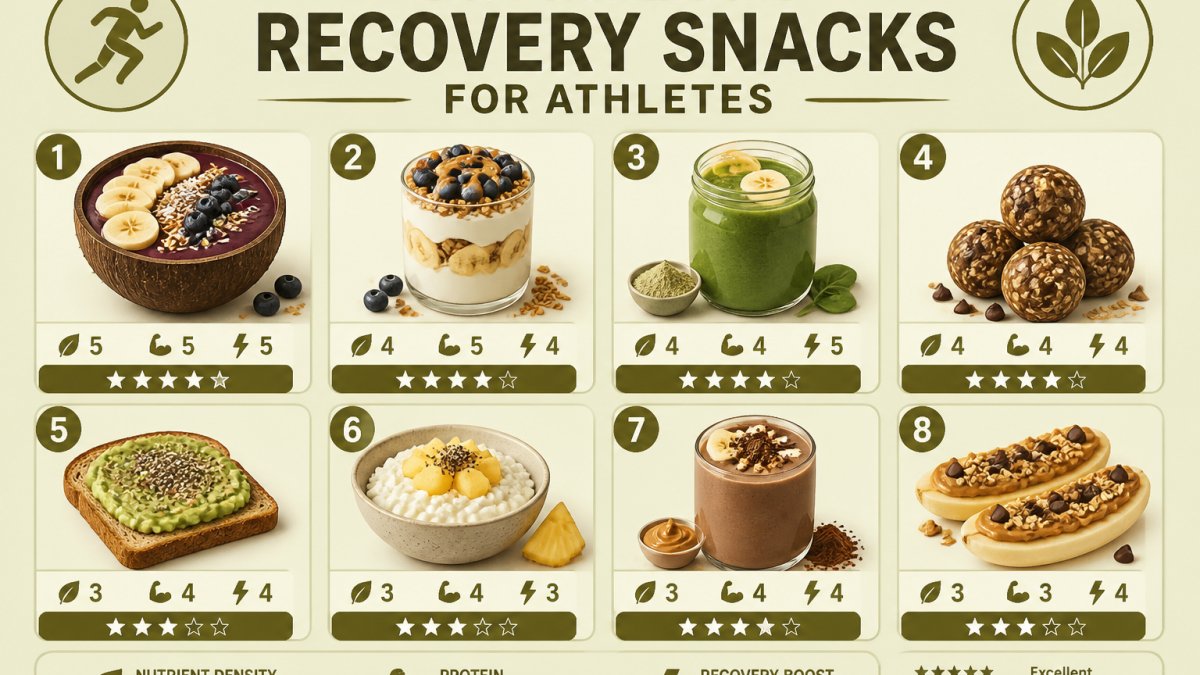
 blog
Easy Homemade Recovery Snacks for Athletes
Table of Contents
- Why Homemade Recovery Snacks Beat Packaged Options
- Post-Workout Snacks for Athletes: Timing and Carb-to-Protein Balance
- Homemade High-Protein Snacks for Athletes
- Pre-Practice Backpack Snacks That Travel Well
- No-Bake Energy Bites and Bars You Can Make in 15 Minutes
- Dietary Restrictions and Easy Substitutions
- Food Safety and Portable Storage Tips
- Conclusion
- Frequently Asked Questions
Last Updated: October 21, 2026
Why Homemade Recovery Snacks Beat Packaged Options
Easy homemade recovery snacks for athletes give you control over what goes into your body after training. That control matters more than most people think. Packaged bars and shakes often hide added sugars and long ingredient lists behind claims of "energy" or "performance."
At World Green Açai, we see athletes every day who want real food that actually helps them recover. Here is the simple truth: a snack you make yourself lets you balance protein, carbs, and real fruit without guessing.
Packaged options have their place. They are convenient, shelf-stable, and easy to grab. But they also cost more per serving and often skip the whole foods your body needs. Homemade snacks let you:
- Choose your own protein source
- Control sugar and salt levels
- Use fresh fruit and whole grains
- Save money over time
- Adjust portions to your training load
The trade-off is prep time. That is why we focus on snacks you can make fast, store well, and carry with you.
Post-Workout Snacks for Athletes: Timing and Carb-to-Protein Balance
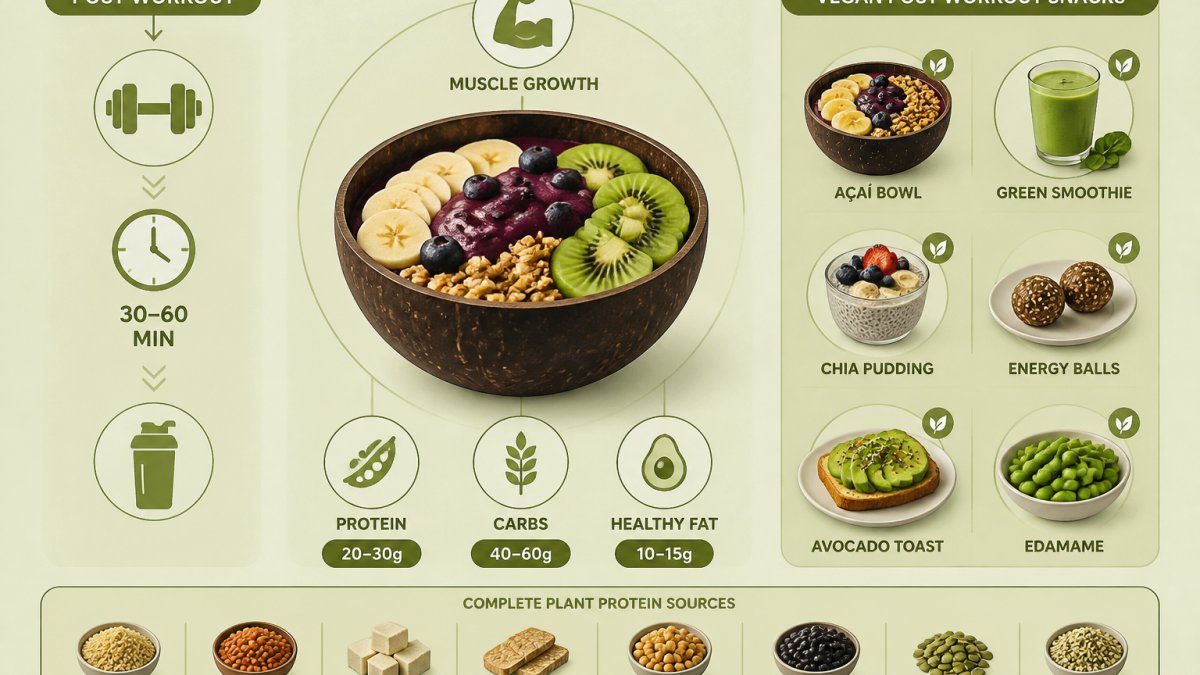
The best window for a recovery snack is within 30 to 60 minutes after training ends. This is when your muscles are most ready to absorb fuel. A good recovery snack pairs carbohydrates with protein.
Carbohydrates refill the energy your muscles used. Protein supports muscle repair. Many sports nutritionists suggest a rough ratio of three parts carbs to one part protein for recovery, though your needs shift with training intensity and body size.
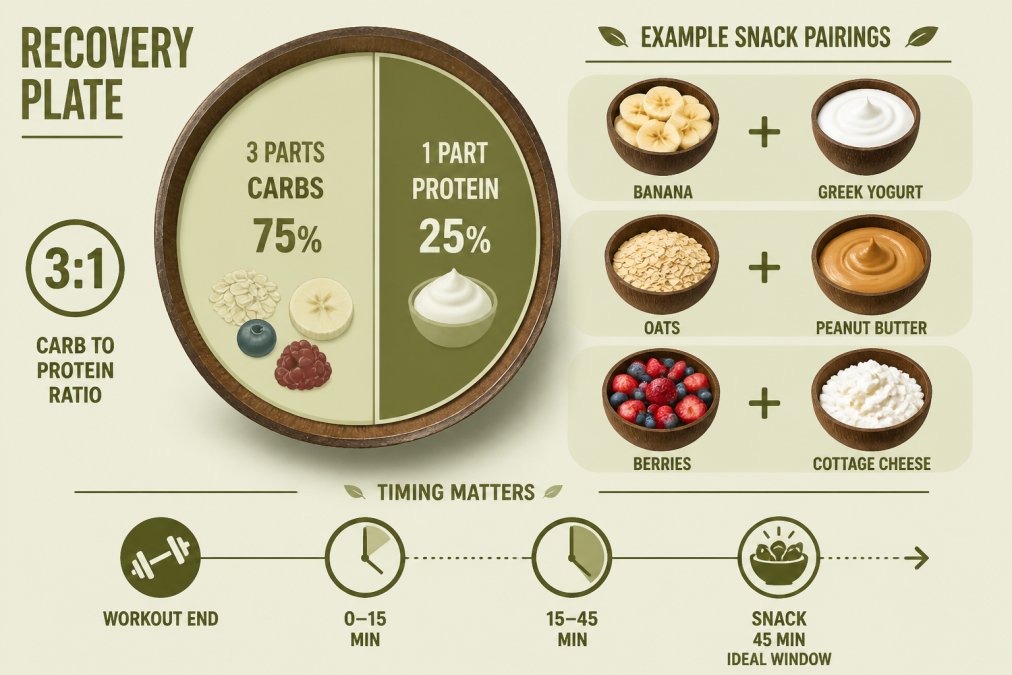
Simple pairings that work:
- Banana with Greek yogurt
- Oats with peanut butter
- Berries with cottage cheese
- Whole grain toast with honey and a glass of milk
Homemade High-Protein Snacks for Athletes
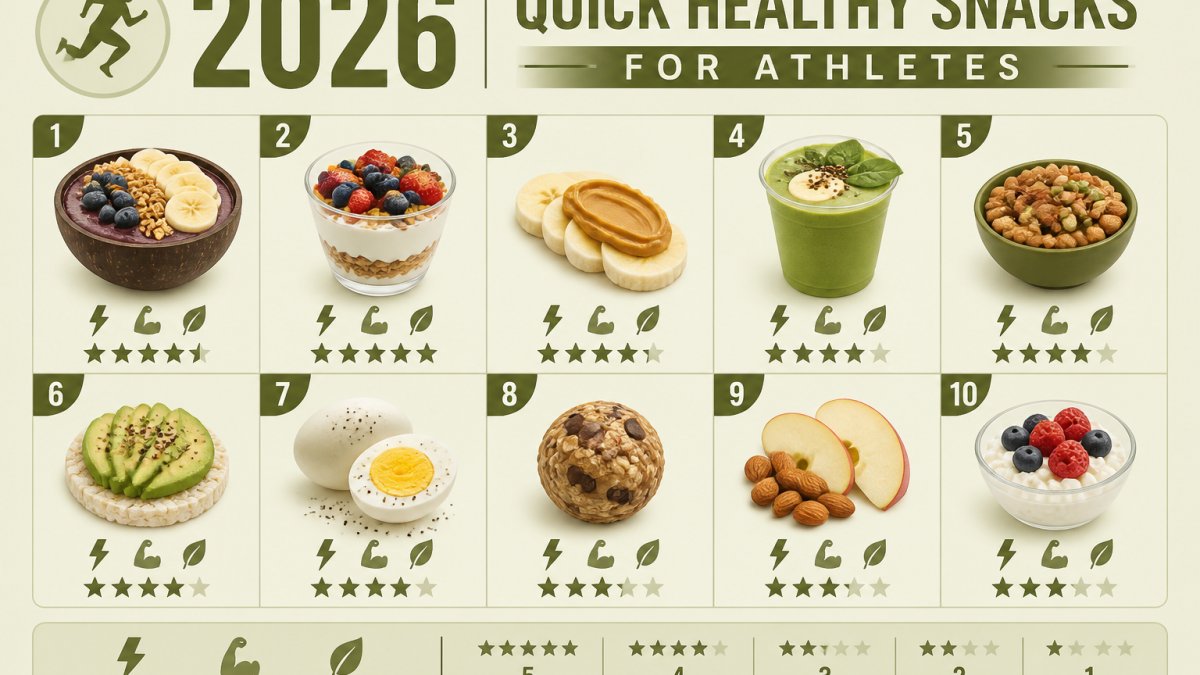
Homemade high-protein snacks for athletes center on a few reliable ingredients: Greek yogurt, cottage cheese, eggs, nuts, seeds, and protein-rich spreads. These give you muscle-repair fuel without a long ingredient list.
Protein bites are the easiest starting point. Mix oats, peanut butter, honey, and a scoop of protein powder. Roll them into balls and chill. Each bite delivers protein and carbs in one portable package.
Other high-protein options we recommend:
- Cottage cheese with sliced fruit
- Hard-boiled eggs with whole grain crackers
- Greek yogurt parfaits layered with granola and berries
- Peanut butter and banana roll-ups on whole wheat tortillas
A common mistake is loading up on protein and skipping carbs. Your body needs both after training. Protein alone will not refill your energy stores.
Pre-Practice Backpack Snacks That Travel Well
Pre-practice backpack snacks need to survive a bag, a locker, and a warm car. That rules out anything that melts or spoils fast. The best options are sturdy, portable, and easy to eat on the move.
Good choices for your backpack:
- Trail mix with nuts, seeds, and dried fruit
- Whole grain granola bars you bake at home
- Dried fruit and nut butter packets
- Whole grain crackers with cheese
- Bananas and apples
Pack snacks in small containers or reusable bags. Keep perishable items cool with an ice pack. Eat a light snack 30 to 60 minutes before practice for steady energy.
No-Bake Energy Bites and Bars You Can Make in 15 Minutes
No-bake energy bites are the fastest homemade recovery snack you can make. They also let you dial in the carb-to-protein balance that matters after training, because you control every ingredient. Here are two recipes we keep coming back to, with the details that make them actually usable on a training week.
Recipe 1: Peanut Butter Oat Bites
Makes about 12 bites. Prep time: 10 minutes, plus 15 minutes chilling.
- Combine 1 cup rolled oats, 1/2 cup peanut butter, and 2 tablespoons honey in a bowl.
- Stir in 1/4 cup protein powder and a handful of mini chocolate chips.
- If the mixture feels dry, add water one teaspoon at a time until it holds together when squeezed.
- Roll the mixture into balls about the size of a golf ball.
- Chill for 15 minutes until firm.
Each bite lands in the range most practitioners suggest for a light recovery snack: roughly 8 to 10 grams of carbohydrate and 3 to 4 grams of protein. Two or three bites after a moderate session gives you a practical carb-forward, protein-supported hit without a heavy meal.
Recipe 2: Fruit and Nut Bars
Makes 8 bars. Prep time: 10 minutes, plus 15 minutes chilling.
- Pulse 1 cup of dates, 1/2 cup of almonds, and 1/4 cup of dried cranberries in a food processor until the mixture sticks together when pinched.
- Press the mixture firmly into a lined 8x8-inch square pan. Press hard, loose bars crumble in a backpack.
- Refrigerate for 15 minutes, then cut into 8 bars.
These bars are carbohydrate-dominant from the dates and cranberries, with a smaller protein contribution from the almonds. Pair one bar with a few ounces of Greek yogurt or a hard-boiled egg when you want a fuller recovery snack after a long or intense session.
Make-ahead and storage
- Refrigerate bites and bars in an airtight container for up to one week.
- Freeze bars individually wrapped for up to three months and thaw overnight in the fridge.
- For backpack days, choose the bars over the bites, they hold their shape better in a bag.
These recipes need no oven and no fancy tools. Make a batch on Sunday and you have snacks for the week. Scale the recipe up or down based on how many training days you have ahead.
Dietary Restrictions and Easy Substitutions
Dietary restrictions should not stop you from eating well after training. Most homemade recovery snacks adapt easily with a few swaps, but the swap has to keep the carb-to-protein balance intact, otherwise you lose the recovery benefit along with the ingredient you cut.
Common substitutions, with what changes in the recipe:
- Dairy-free: Use coconut or almond yogurt instead of Greek yogurt. Plant-based yogurts vary widely in protein, so check the label and choose one with added protein, otherwise add a tablespoon of chia seeds or a scoop of plant protein to keep the protein side of the snack up.
- Nut-free: Swap peanut butter for sunflower seed butter at a 1-to-1 ratio. Sunflower seed butter is slightly looser, so you may need an extra tablespoon of oats in the bites to hold them together.
- Gluten-free: Use certified gluten-free oats. Standard oats are often cross-contaminated during milling, so the certification matters if you are sensitive.
- Vegan: Choose plant-based protein powder and maple syrup instead of honey at a 1-to-1 ratio. Maple syrup is slightly thinner, so reduce it by a teaspoon if the mixture feels wet.
- Egg-free: Replace a hard-boiled egg snack with edamame or roasted chickpeas, both deliver protein and fiber in a portable form.
If you avoid dairy, look for plant-based yogurt with added protein. If nuts are off the table, seeds like pumpkin and sunflower deliver similar benefits and are usually safe for nut-free packing.
A few practical notes on testing swaps:
- Make a half batch first. Some swaps change texture, and you want a snack you actually enjoy eating.
- Keep the carb source consistent when you swap the protein. If you change the yogurt, keep the banana or oats the same so you can tell what changed.
- Label containers with the swap you made, especially if you pack snacks for more than one athlete in a household.
Food Safety and Portable Storage Tips
Food safety matters as much as the recipe itself. A snack that spoils in your bag does you no good. Follow a few simple storage rules to keep your recovery snacks safe.
Storage guidelines:
- Keep perishable snacks cold with an ice pack
- Store energy bites in the fridge for up to a week
- Freeze bars for longer storage and thaw as needed
- Label containers with the date you made them
- Wash reusable containers between uses
For hot days, choose shelf-stable options like trail mix, whole fruit, and baked bars. Save the yogurt and cottage cheese snacks for days when you can keep them cool.
Conclusion
Building a recovery routine takes planning, and the right snacks make it easier. Whether you are packing for practice or refueling after a long run, whole-food options pay off.
When you want a recovery snack without the prep work, World Green Açai has you covered. Our organic açai bowls bring real fruit and quality ingredients together in one convenient stop. Order online through our app to skip the line, or grab a gift card for a teammate. Get started with World Green Açai and fuel your recovery the easy way.
Frequently Asked Questions
What are some good snacks for sports recovery?
A recovery snack should combine carbohydrates to refill energy and protein to support muscle repair. Easy homemade options include a banana with peanut butter, Greek yogurt with berries and granola, oatmeal energy bites made with oats and honey, a fruit and yogurt smoothie, or cottage cheese with sliced fruit. These recovery snacks use whole-food ingredients, are quick to prepare, and travel well in a backpack or cooler. Pair them with water to replace fluids lost during practice or training.
How soon after exercise should athletes eat a recovery snack?
Aim to eat a recovery snack within about 30 to 60 minutes after training ends, when the body is most ready to refill energy stores and start muscle repair. If a full meal is more than two hours away, a small homemade snack bridges the gap. Practical choices include a banana with peanut butter, a yogurt and berry cup, or a few oat energy bites. Keep the snack portable so it is ready in your bag as soon as practice finishes.
What are easy homemade high-protein snacks for athletes?
Easy homemade high-protein snacks for athletes include Greek yogurt parfaits with berries, cottage cheese with fruit, peanut butter oat bites, homemade trail mix with nuts and seeds, and smoothies blended with yogurt or milk. These options use simple ingredients, need no special equipment, and can be made in batches for the week. Portion them into small containers so they are ready to grab before or after practice.
What should athletes eat after a workout if they have dietary restrictions?
Athletes with dietary restrictions can still build recovery snacks from simple substitutions. For dairy-free needs, use coconut or almond yogurt instead of Greek yogurt. For nut allergies, swap peanut butter for sunflower seed butter. Gluten-free athletes can use certified gluten-free oats in energy bites. The goal stays the same: pair carbohydrates from fruit, oats, or whole grains with a protein source that fits your diet, and keep the snack portable and easy to prepare.