 blog
What Should Vegans Eat After a Workout for Muscle Growth?
Last Updated: October 30, 2026
Quick Summary
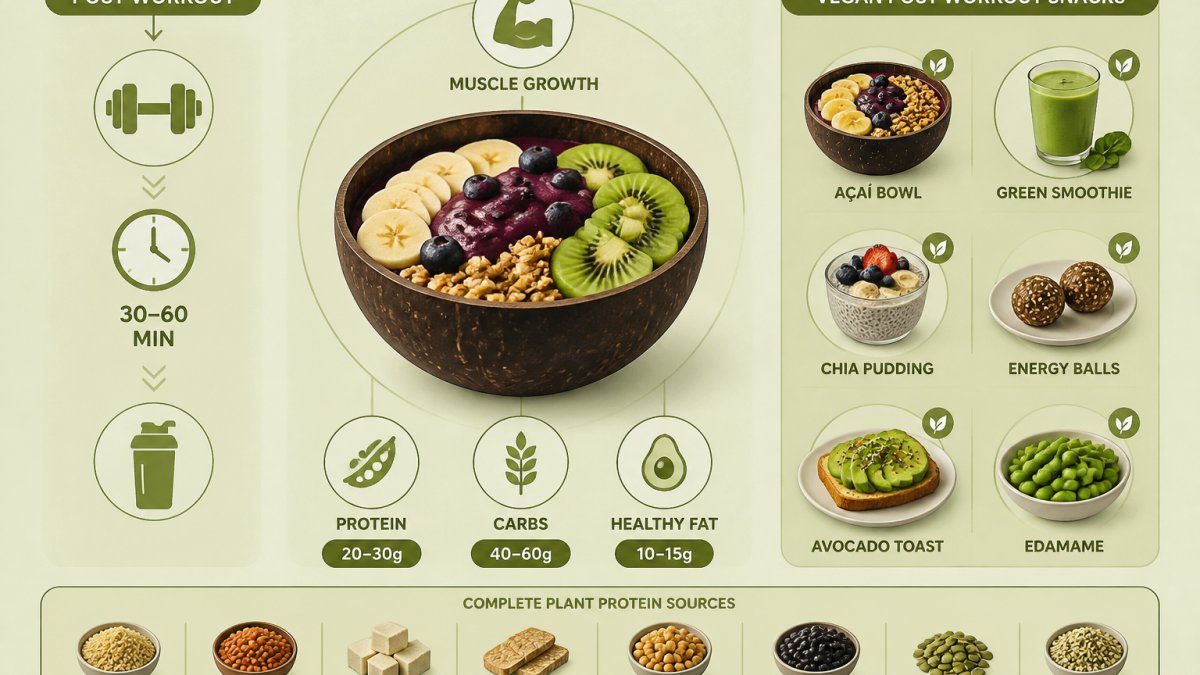
Vegan post workout snacks should deliver 15 to 25 grams of protein and 30 to 60 grams of carbohydrates to trigger muscle repair and refill glycogen. Build each snack around one protein anchor like lentils, tofu, edamame, or protein powder plus one carb source such as fruit, granola, or sweet potato.
- Aim for 1.6 to 1.8 grams of protein per kilogram of body weight daily.
- Eat your post-workout snack within two hours of training, ideally within 60 to 90 minutes.
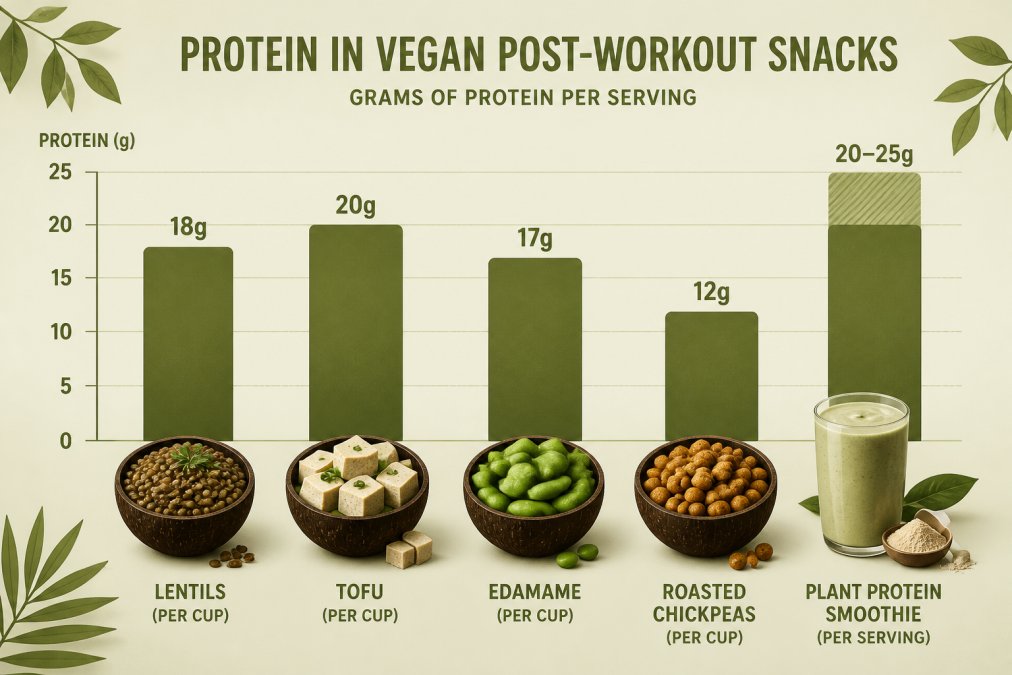
- One cup of cooked lentils provides about 18 grams of protein.
- A cup of tofu brings roughly 20 grams of protein and edamame about 17 grams per cup.
- Treat nuts and seeds as a protein booster paired with a higher-protein anchor.
Table of Contents
- Why Vegan Post Workout Snacks Matter for Muscle Growth
- How Much Protein and Carbs You Need After Training
- High-Protein Vegan Snacks That Support Recovery
- Building a Vegan Post-Workout Smoothie for Muscle Recovery
- Vegan Protein Snacks on the Go: Portable Options for Busy Days
- Açai Bowls as a Post-Workout Recovery Snack
- How to Time Your Snack for Better Recovery
- Order Your Post-Workout Açai Bowl Online
- Frequently Asked Questions
Why Vegan Post Workout Snacks Matter for Muscle Growth
A study from University of Illinois researchers on plant vs. animal protein and muscle building found no significant difference in muscle protein synthesis between vegan and omnivorous protein sources after weight training. That is the headline most lifters need to hear. Vegan post workout snacks can build muscle just as well as animal-based options when you eat enough protein and time it right.
Vegan post workout snacks are plant-based foods eaten within a few hours of training to supply protein and carbohydrates for muscle repair and glycogen refill.
Here is the catch. You have to hit your protein target, and plant foods vary widely in how much they deliver. Below, we break down exactly what to eat, how much, and when.
How Much Protein and Carbs You Need After Training
The practical target for most lifters is 1.6 to 1.8 grams of protein per kilogram of body weight daily, the range used in the University of Illinois trial. For a 150-pound person, that is roughly 109 to 123 grams of protein a day. Spread it across meals and snacks.
For a single post-workout snack, aim for 15 to 25 grams of protein and 30 to 60 grams of carbohydrates. That range is enough to trigger muscle protein synthesis and start glycogen refill without ruining your appetite for the next meal. A 200-pound lifter training hard may push toward the upper end; a lighter lifter or someone eating dinner within the hour can stay near the lower end.
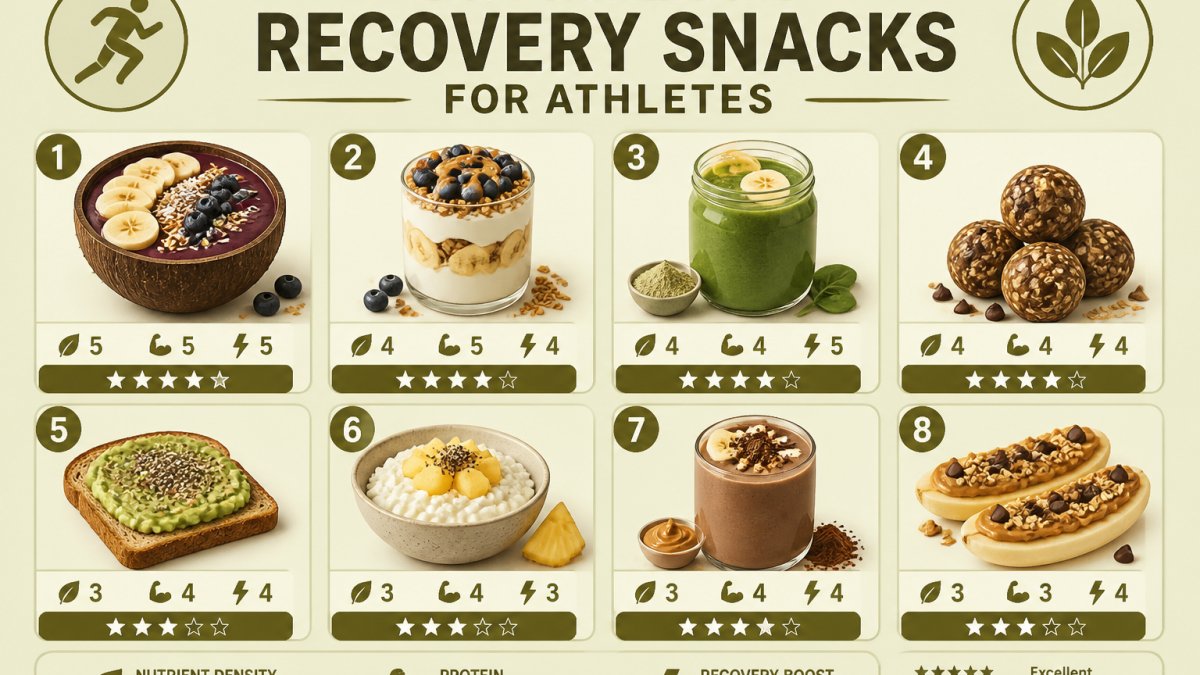
Pair that protein with carbohydrates to refill glycogen. A good post-workout snack delivers both in one sitting. The chart below shows how common vegan snacks stack up per serving.
A 2021 review by A. Pohl and coauthors on vegan diets and strength performance noted that vegan and vegetarian diets may have properties that work against strength performance, though the research had not proven that effect. So plan your snacks with intent rather than assuming any plant food will do.
Want to see how protein and carbs fit together in a bowl? Read our guide on how to balance macronutrients in açai bowls.
Here are the key protein and carb targets the article recommends for post-workout recovery.
| Item | Value | Note |
|---|---|---|
| Daily protein target | 1.6 to 1.8 g per kg body weight | Range used in University of Illinois trial |
| Daily protein for 150-pound person | Roughly 109 to 123 g | Spread across meals and snacks |
| Protein per post-workout snack | 15 to 25 g | Enough to trigger muscle protein synthesis |
| Carbs per post-workout snack | 30 to 60 g | Starts glycogen refill |
| Snack timing | Within two hours of training | Sooner is better if trained hard or fasted |
| Ideal snack window | 60 to 90 minutes | Helps refill energy and start repair |
High-Protein Vegan Snacks That Support Recovery
These are the plant foods we reach for after a workout, grouped by what they do best. Each entry includes a practical serving size and an estimated protein amount so you can build a snack that actually moves your daily total.
Beans, Lentils, and Chickpeas
Beans, lentils, and chickpeas are cheap, shelf-stable, and packed with protein and carbs together. One cup of cooked lentils gives you about 18 grams of protein. Chickpeas deliver about 12 grams per cup plus slow-digesting carbs. Mash them into a quick salad or warm them with spices for a savory snack. A half-cup serving of lentils with a squeeze of lemon and a drizzle of olive oil takes about five minutes and lands near 9 grams of protein.
Tofu, Tempeh, and Edamame
Soy foods are the heavy hitters of the plant protein world. A cup of tofu brings roughly 20 grams of protein, and edamame gives about 17 grams per cup. Tempeh is firm, nutty, and easy to slice into portable strips. Edamame needs only a quick steam and a pinch of salt. A half-block of firm tofu (about 4 ounces) gives roughly 10 grams of protein and can be pan-fried in five minutes.
Nuts, Seeds, and Roasted Chickpeas
Nuts, seeds, and roasted chickpeas cover the crunchy, portable side of recovery. Pistachios, pumpkin seeds, and chia seeds add protein plus healthy fats. Roasted chickpeas give you that crispy snack texture with about 12 grams of protein per cup. Keep portions modest, since the calories add up fast. A quarter-cup of pistachios delivers about 6 grams of protein; a two-tablespoon serving of chia seeds adds about 4 grams.
For a longer list, see our roundup of plant based protein sources for muscle repair.
Building a Vegan Post-Workout Smoothie for Muscle Recovery
A vegan post-workout smoothie is the fastest way to combine protein, carbs, and liquid after training. Start with a plant protein powder, then layer in fruit and a creamy base.
Here is a simple formula we like:
- 1 scoop vegan protein powder
- 1 cup frozen berries or mango
- 1 handful spinach
- 1 cup oat milk or water
- 1 tablespoon chia seeds or nut butter
Blend until smooth and drink within an hour of finishing your workout. The fruit supplies quick carbs, the spinach adds micronutrients, and the protein powder closes the gap.
Not sure which powder to pick? Our guide on how to choose the best recovery protein powder walks through the labels.
Vegan Protein Snacks on the Go: Portable Options for Busy Days
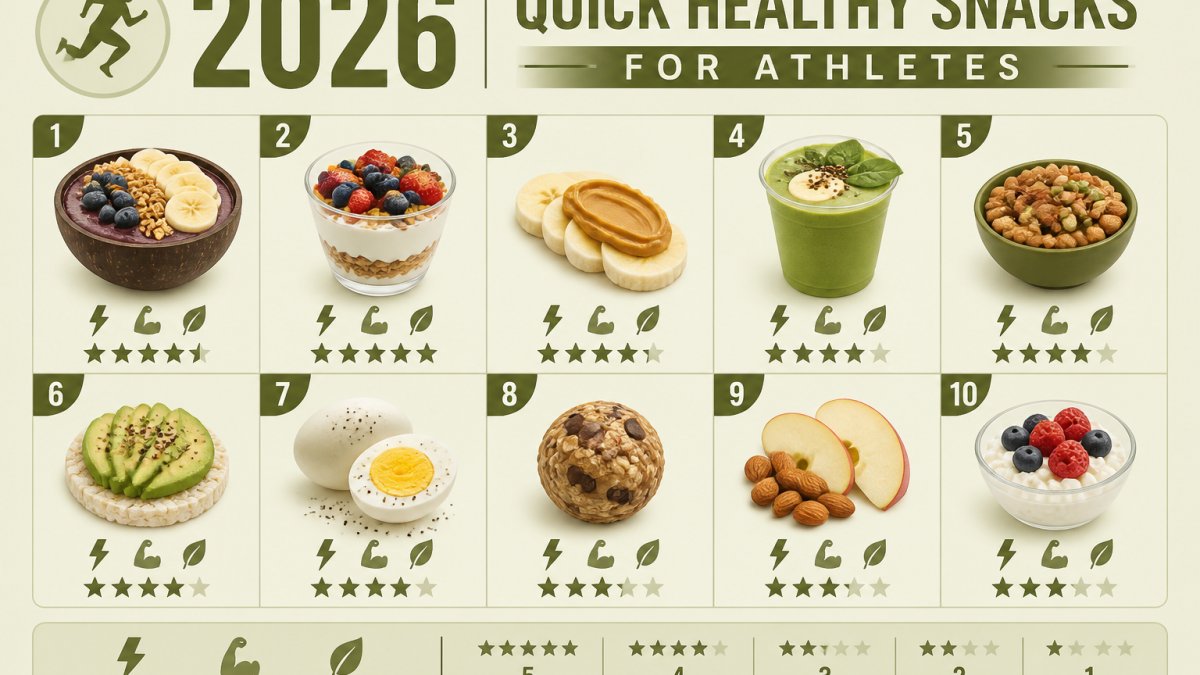
Some days you will not have time to blend anything. That is when portable vegan protein snacks earn their place in your bag.
- Roasted chickpeas in a small container
- Lentil chips with a side of hummus
- Baked pea snacks
- Rice cakes topped with nut butter
- A handful of pistachios and pumpkin seeds
- Edamame in a sealed cup
All of these are gluten-free, easy to pack, and hold up without refrigeration for a few hours. Keep a stash at your desk or in your car so a missed meal never becomes a missed recovery window.
Açai Bowls as a Post-Workout Recovery Snack
An açai bowl makes a strong recovery snack when you build it right. The base delivers carbohydrates and antioxidants, and the toppings can push protein higher.
At World Green Açai, we use real organic açaí in coconut bowls. Ours starts with actual berries, not a sweetened mix.
To turn a bowl into a true recovery meal, add toppings with protein:
- Granola for carbs
- Nut butter for healthy fats
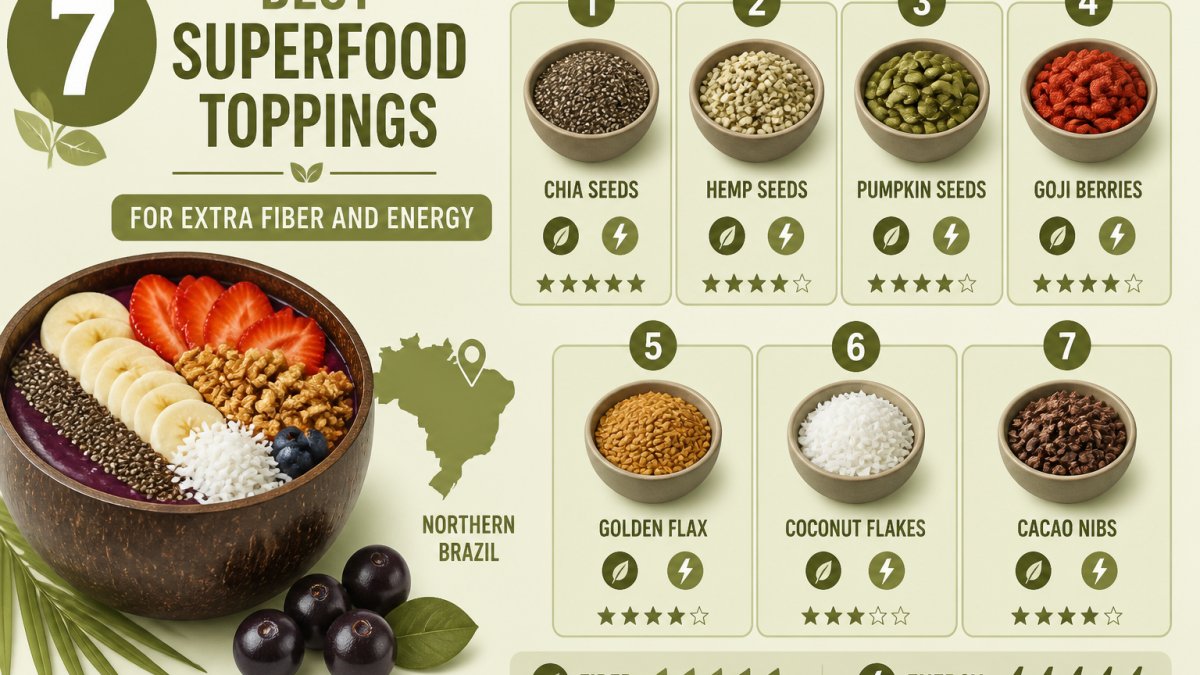
- Hemp seeds or chia for extra protein
- Sliced banana for potassium
Ready to see the options? Browse our list of the best açai bowls for post workout.
How to Time Your Snack for Better Recovery
Timing is simpler than most guides suggest. Eat your snack within a couple of hours of training, and sooner is better if you trained hard or fasted beforehand.
The window is wide, not narrow. What matters most is your total daily protein and carbs, not a frantic race to eat the second you rack the weights. Still, a snack within 60 to 90 minutes helps you refill energy and start repair while your body is primed.
A few timing tips we share with customers:
- Eat within two hours of finishing your workout
- Pair protein with carbs at every snack
- Drink water alongside your food
- Do not skip the snack just because dinner is close
Order Your Post-Workout Açai Bowl Online
Recovery nutrition should not add stress to your day. That is where we come in.
Our online ordering lets you skip the line, so you can eat well between meetings or after a trail run. Download the World Green Açai app to order ahead, or buy organic açai bowls online and pick one up without the wait.
Order online with World Green Açai and skip the line.
Frequently Asked Questions
What should vegans eat after a workout to build muscle?
Aim for a snack with 15-25 grams of protein and 30-60 grams of carbohydrates within a couple of hours after training. Good choices include a lentil bowl, tofu scramble, roasted chickpeas with fruit, or a plant-based protein smoothie. Research from the University of Illinois found no significant difference in muscle protein synthesis between vegan and omnivorous protein sources when participants consumed 1.6-1.8 grams of protein per kilogram of body weight, so consistent total intake matters more than the source.
How much protein should a vegan eat after a workout?
A practical target is 15-25 grams of protein in your post-workout snack, which fits within the 1.6-1.8 g/kg daily range studied by University of Illinois researchers. For a 150-pound person, that equals about 109-122 grams of protein per day, spread across meals and snacks. Plant sources like lentils, tofu, edamame, and vegan protein powder make it easier to hit that number without relying on animal products.
Do you need to eat immediately after a workout?
No. The anabolic window is wider than once thought. Eating within two hours after training is generally sufficient for most recreational lifters. What matters more is your total daily protein and carbohydrate intake. Prioritizing protein at each meal and snack helps cover your daily needs.
Is açai a good post-workout snack for muscle growth?
Açai bowls can work well as a recovery snack when you add protein and carbs. The açai base provides carbohydrates and antioxidants, but it is low in protein on its own. Pair it with plant-based protein powder, hemp seeds, or nut butter to reach 15-25 grams of protein. You can order online from World Green Açai to skip the line after training.