 how-to
How to Choose the Best Recovery Protein Powder
Table of Contents
- How to Choose the Best Recovery Protein Powder: Start With Your Goal
- Best Protein Powder for Muscle Recovery: What the Evidence Says
- Whey vs. Plant Protein for Recovery: Digestion Rates Compared
- When to Take Protein After a Workout
- Recovery Protein Beyond the Shake: Carbs, Hydration, and Whole Foods
- Safety, Allergens, and Third-Party Testing for Recovery Protein
- Conclusion
- Frequently Asked Questions
Last Updated: October 6, 2026
How to Choose the Best Recovery Protein Powder: Start With Your Goal
Choosing the best recovery protein powder starts with one question: what are you recovering from?
At World Green Açai, we feed a lot of active people around Marin County, and the pattern repeats: the people who recover well aren't buying the fanciest tub.
This guide covers protein sources, digestion rates, ingredients to avoid, timing, and safety, so you can narrow a crowded shelf to one good choice.
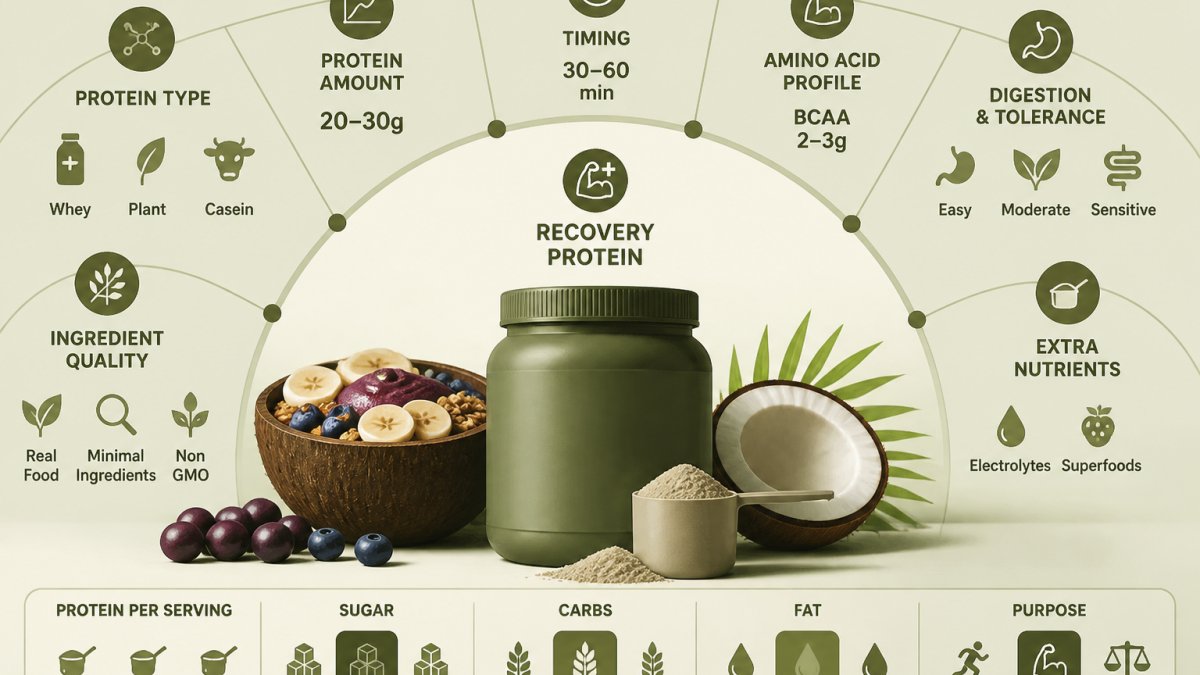
Recovery protein is a supplemental protein source used after training to supply amino acids that support muscle repair and rebuilding.
Best Protein Powder for Muscle Recovery: What the Evidence Says
The best protein powder for muscle recovery is one that helps you hit your total daily protein target with a complete amino acid profile, not one that promises a magic post-workout window. Total intake across the day matters more than any single shake.
Sports nutrition guidance generally points to roughly 1.6 to 2.2 grams per kilogram of body weight daily for people training to build muscle, with 20 to 40 grams per meal. Check official sources for current figures rather than a label's marketing.
Daily protein and per-meal targets for recovery
Spread protein across three to five meals rather than one shake, with roughly 20 to 40 grams per meal so muscle protein synthesis gets repeated signals through the day.
A practical approach for most active adults:
- Aim for a consistent daily total rather than a perfect single meal
- Include 20 to 40 grams of quality protein per sitting
- Use powder to fill gaps, not to replace whole meals
- Reassess every few weeks as training volume changes
How to turn your body weight into a daily gram target
Here is the math most people skip. Take your weight in pounds, divide by 2.2 for kilograms, then multiply by 1.6 and 2.2 for your range. A 165-pound athlete is about 75 kilograms, landing between roughly 120 and 165 grams per day.
Once you have the daily figure, subtract what you already eat. If three meals deliver about 30 grams each, you are at 90 grams before any powder. The remaining gap, often 30 to 75 grams, is what a recovery shake is for.
Why leucine and the amino acid profile matter
Muscle repair is triggered partly by leucine, an essential amino acid. A common benchmark is roughly 2 to 3 grams per serving for most adults, though needs vary with age and training status.
A complete amino acid profile means all nine essential amino acids are present in useful amounts. If the label doesn't list it, look for a named source known to be complete, such as whey, casein, egg, soy, or a pea-rice blend.
Matching the target to your training
- Strength training three to five days a week: aim for the higher end of the daily range and keep per-meal doses near 30 to 40 grams.
- Endurance training with long sessions: keep total protein steady and pair each dose with carbohydrates, since glycogen refill drives next-day performance.
- Older adults and anyone in a calorie deficit: research on aging and energy restriction generally supports pushing toward the higher end of the range and spreading doses evenly, because the muscle-building response to each meal is blunted.
- Recreational movers: the lower end of the range is usually plenty, and whole foods can cover most of it.
Whey vs. Plant Protein for Recovery: Digestion Rates Compared
Whey and plant proteins both support recovery, but differ in digestion speed and amino acid profile. Whey isolate digests fastest, casein slowest, and plant proteins sit in the middle.
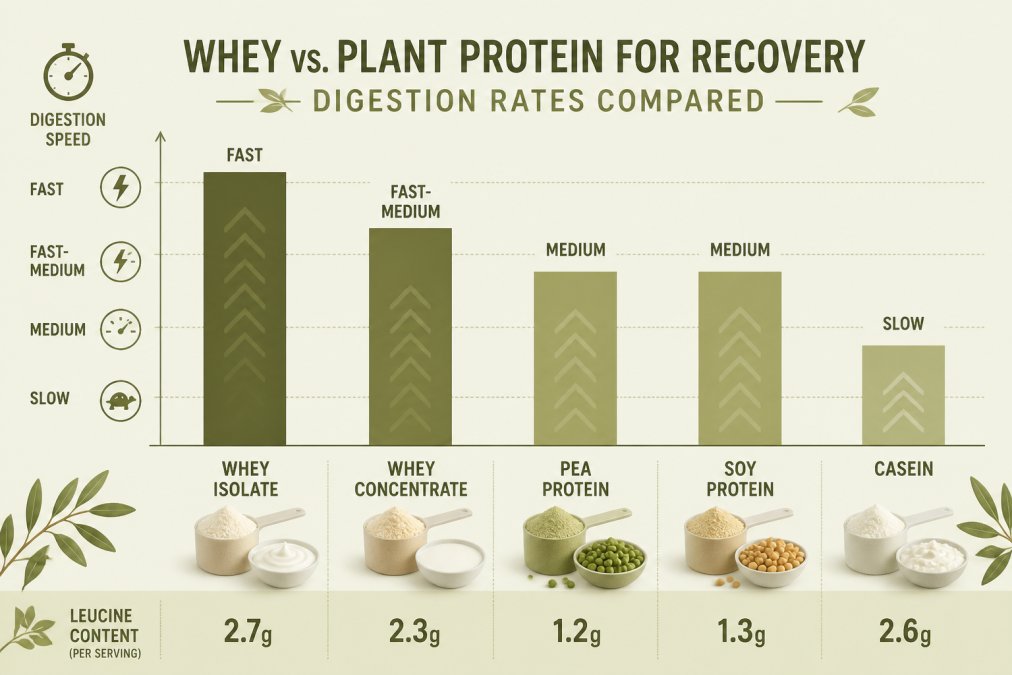
Whey protein and whey isolate are dairy-based and rich in leucine, the amino acid most tied to triggering muscle repair. Casein, also dairy, digests slowly, suiting a before-bed shake.
Protein grams per serving match your per-meal target- Protein source is named, not hidden in a blend
- Leucine or full amino acid profile is listed
- Added sugars and sweeteners are acceptable to you
- Allergen statement covers your dietary restrictions
- Third-party certification is present
- Serving size and scoops per container are clear
When to Take Protein After a Workout
The post-workout window is wider than most people think. Aim to eat or drink protein within a few hours of training, and prioritize total daily intake over hitting an exact minute.
If you train fasted or go long stretches without food, a shake right after your session helps. If you eat a solid meal within an hour or two, the shake can wait. The difference between a good recovery plan and a great one is consistency, not clock-watching.
Recovery Protein Beyond the Shake: Carbs, Hydration, and Whole Foods
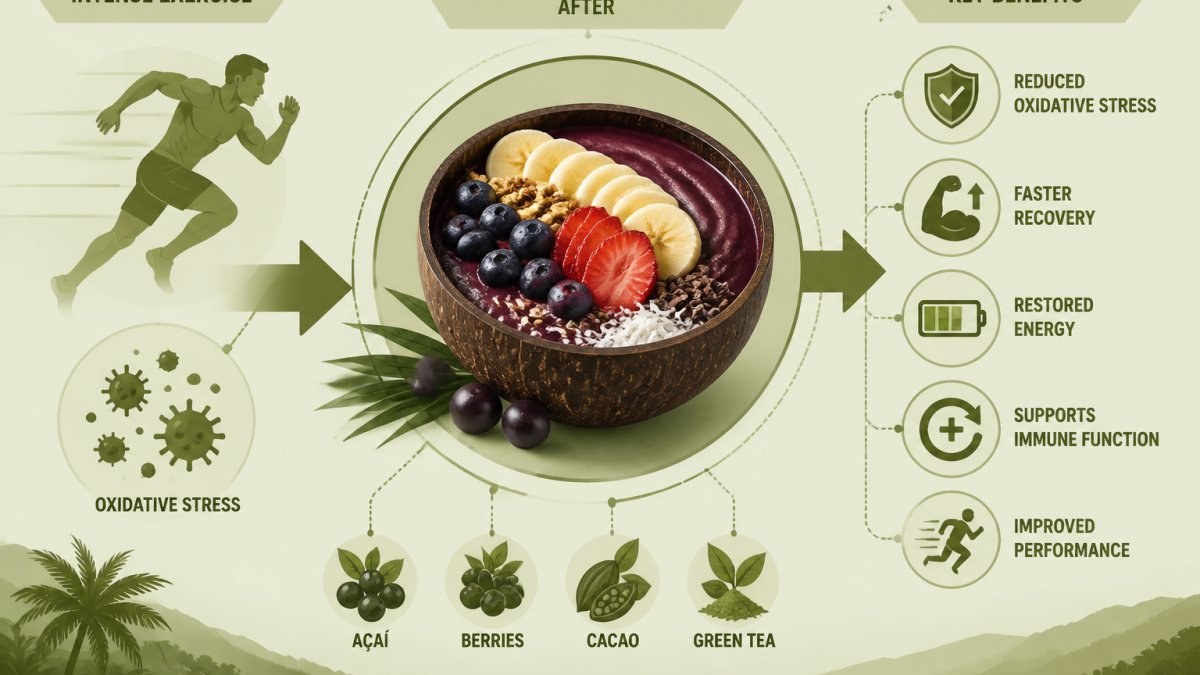
Recovery is more than protein. Carbohydrates refill glycogen, fluids and electrolytes replace sweat losses, and whole foods supply micronutrients a powder can't.
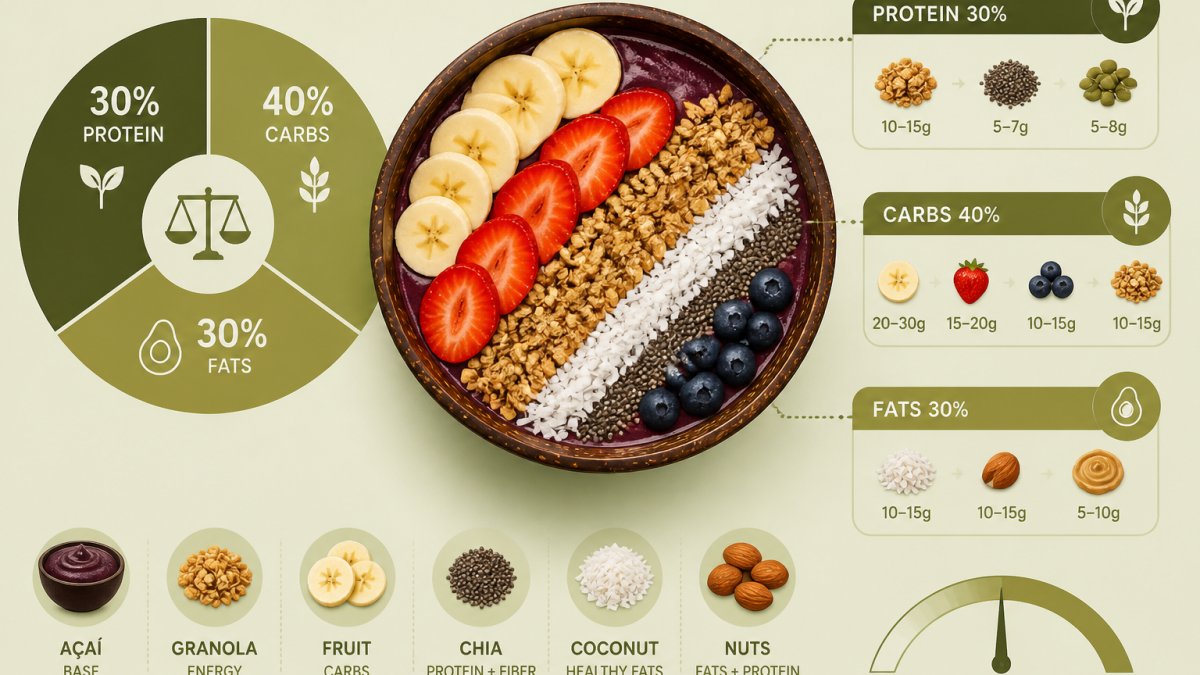
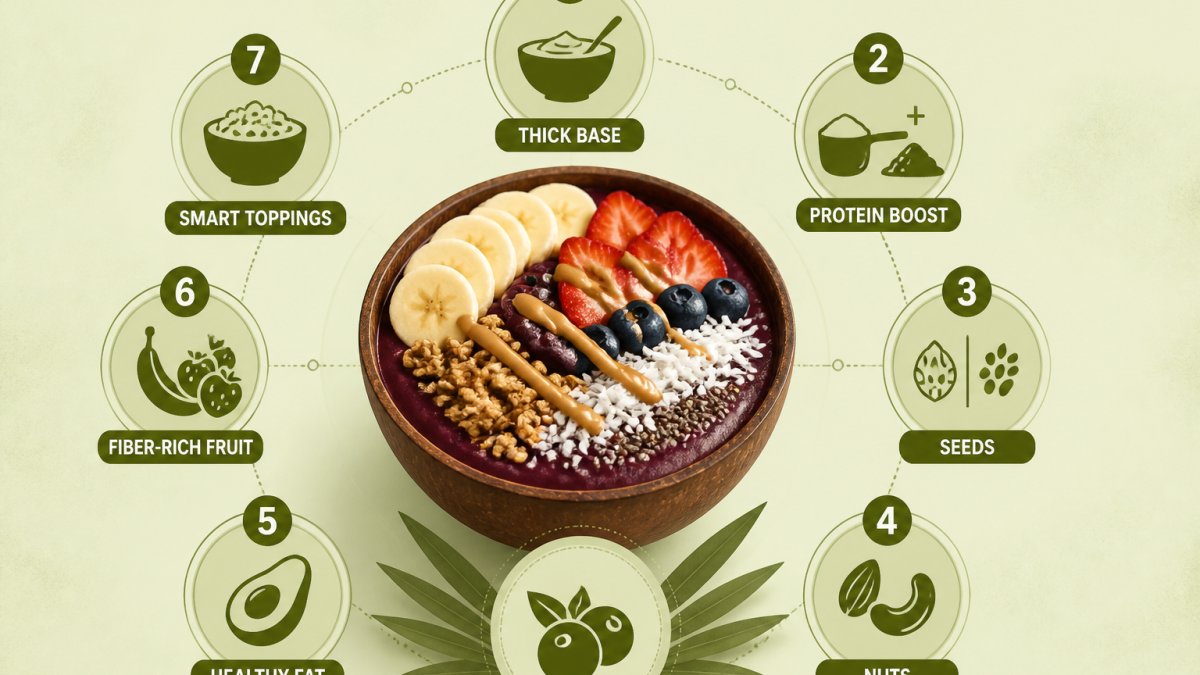
Whole-food options work well when you have time. A bowl with fruit, oats, and a quality protein source covers carbs, protein, and fluid in one sitting.
When protein powder isn't necessary: if you already hit your daily protein target through food, a shake adds calories you may not need. Whole foods suffice for most people eating three balanced meals.
Safety, Allergens, and Third-Party Testing for Recovery Protein
Safety comes down to allergens, contaminants, and verification. Check the allergen statement first, then look for independent testing.
Common allergens in protein powders include milk, soy, and sometimes egg white protein. If you're lactose intolerant, whey isolate and plant proteins are usually easier than whey concentrate. A dairy allergy means avoiding whey and casein entirely. With a soy allergy, check plant blends carefully, because soy lecithin shows up in products that otherwise look dairy-free and soy-free.
What third-party testing actually verifies
Third-party testing matters because supplements aren't pre-approved the way medications are. In the United States, the FDA's guidance on dietary supplements explains that supplement makers are responsible for safety and labeling, and the agency does not review products before they're sold.
Look for these seals on the label or the brand's website:
- NSF Certified for Sport, which screens for a long list of banned athletic substances and is widely used by collegiate and professional athletes.
- Informed Sport, which tests finished products batch by batch and publishes results.
- USP Verified, which covers ingredient identity, potency, and contaminant limits.
- ConsumerLab, an independent testing organization that publishes product reviews and pass-fail results.
A seal is not a flavor endorsement, and it doesn't mean the product is right for your goal. It means someone outside the brand checked the contents. For a daily recovery product, that check is worth more than a flashy label.
Contaminants to care about
Heavy metals such as lead, cadmium, arsenic, and mercury can appear in protein powders, particularly plant-based ones, because plants take up metals from soil. Protein spiking, where a manufacturer adds cheap amino acids like glycine or taurine to inflate the nitrogen reading on a protein test, is another quality problem. A product listing individual amino acids separately from total protein is usually more transparent.
Reading the allergen and testing panel in 60 seconds
- Allergen statement names milk, soy, egg, or wheat if present
- "May contain" line checked if you have a severe allergy
- Third-party certification seal present and verifiable on the certifier's site
- Batch or lot number printed so you can match it to a test result
- Protein source named, not hidden in a proprietary blend
- Amino acid profile or leucine amount listed
A note on stimulants and added ingredients
Some recovery powders include caffeine, creatine, or other additives. None are required for recovery, and caffeine late in the day can wreck the sleep that drives repair. If you want creatine, buy it separately to control the dose. If a product markets itself as both pre-workout and recovery powder, read the stimulant content before committing to a daily habit.
For general nutrition and protein guidance, the USDA's Dietary Guidelines for Americans and the NIH Office of Dietary Supplements are worth checking before you build a supplement routine.
Conclusion
Choosing a recovery protein powder gets easier once you stop shopping by flavor and start shopping by goal, source, and label.
If your recovery routine needs a real-food anchor, World Green Açai makes it simple: organic açai bowls, online ordering so you skip the line, and a mobile app for pickup on the go. Order online and give your next post-workout meal something worth recovering with.
Frequently Asked Questions
What is the best protein powder for muscle recovery?
Whey protein isolate is often the top choice because it digests quickly and delivers a full spectrum of amino acids, including leucine. If you avoid dairy, a pea and rice protein blend can cover the same amino acid profile. The best recovery protein powder is one you will use consistently and that fits your dietary restrictions, not just the one with the highest protein per serving.
Is whey or plant protein better for recovery?
Whey protein digests faster and has a higher leucine content, which supports muscle protein synthesis right after training. Plant protein, especially pea combined with rice, can match whey for muscle growth when you take a slightly larger serving. If you have lactose intolerance or follow a vegan diet, plant protein is the better fit. Otherwise, either works when total daily protein is met.
How much protein should I look for in a recovery protein powder?
Aim for a powder that delivers 20 to 40 grams of protein per serving, depending on your body weight and training load. Research on per-meal protein suggests roughly 0.4 grams per kilogram of body weight per meal for muscle building. Check the label for protein per serving rather than scoop size, since fillers and flavorings can make scoops heavier without adding protein.
When should I take protein powder after a workout?
A protein shake within a couple of hours after training supports recovery, but the total amount of protein you eat across the day matters more than exact timing. If you trained fasted or have a long gap before your next meal, take your shake sooner. A practical approach is to pair your post-workout protein with carbohydrates and fluids to cover glycogen and hydration needs too.