 how-to
How to Avoid Sugar Bombs: A Practical Guide
Table of Contents
- What Are Sugar Bombs and Why They Matter
- How to Read Nutrition Labels for Added Sugar
- Common Pantry Staples That Hide Sugar
- Understanding Blood Glucose Spikes and Insulin Response
- Best Post Workout Recovery Snack Options
- Healthy Office Catering Options to Avoid Sugar
- Practical Swaps and Whole Food Alternatives
- Conclusion
Last Updated: August 17, 2026
What Are Sugar Bombs and Why They Matter
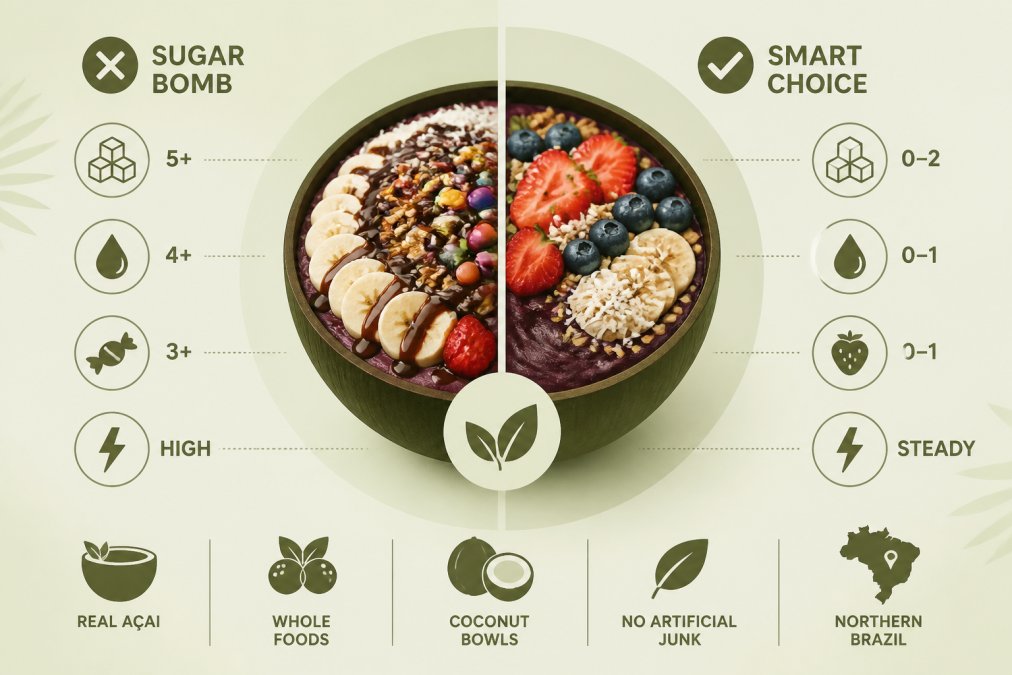
Sugar bombs are foods and beverages that deliver an unexpectedly high amount of added sugar in a single serving, often disguised in products you wouldn't suspect. They're the reason your afternoon energy crashes, why your cravings intensify after lunch, and why avoiding sugar bombs is one of the most practical steps toward better health. At World Green Açai, we've watched countless customers discover that understanding what constitutes a sugar bomb transforms how they approach nutrition.
A sugar bomb isn't just candy or soda. It's the yogurt marketed as healthy breakfast, the granola bar you grab for a quick snack, the pasta sauce simmering on your stove, the salad dressing you drizzle on greens. These hidden sugars trigger blood glucose spikes that leave you exhausted, hungry again within hours, and prone to poor food choices. The distinction between natural sugars and added sugars matters enormously for your metabolic health.
Understanding sugar bombs helps you make informed choices without obsessing over every label. When you recognize which pantry staples hide sugar, you gain control over your energy levels, weight management, and long-term health. This guide walks you through practical strategies to identify and avoid sugar bombs, so you can fuel your body with whole foods that actually sustain you.
How to Read Nutrition Labels for Added Sugar
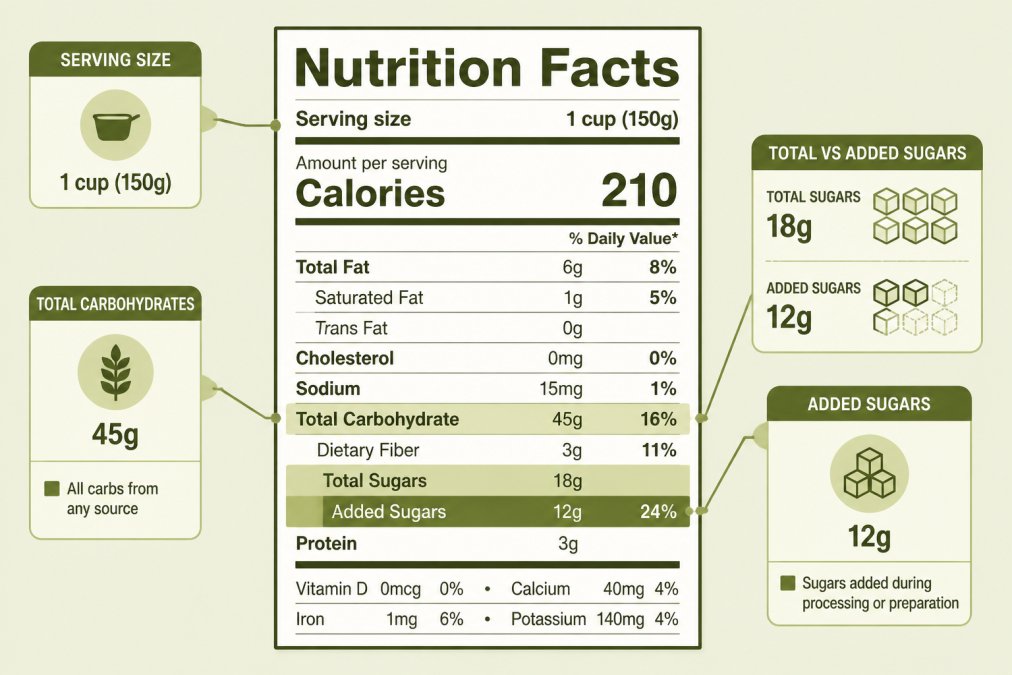
The nutrition label holds the key to identifying sugar bombs, but most people skip right past the critical information. Start by locating the "Added Sugars" line on the nutrition label, it's separate from total carbohydrates and tells you exactly how much sugar manufacturers added during processing.
Identifying Added Sugars vs. Natural Sugars
Added sugars are sweeteners incorporated during manufacturing or preparation, while natural sugars occur naturally in foods like fruit and milk. The nutrition label breaks this down for you: total carbohydrates include both natural and added sugars, but the "Added Sugars" line shows only what was added.
A piece of fruit contains natural sugars alongside fiber, vitamins, and minerals that slow digestion and prevent blood glucose spikes. A flavored yogurt with the same grams of sugar from added sweeteners hits your bloodstream much faster, triggering an insulin response that leaves you crashing. The label difference is stark: a plain Greek yogurt might show 7 grams of natural sugars, while a flavored version shows 17 grams total with 15 grams of added sugars.
Daily recommended added sugar intake is limited. Most guidelines suggest keeping added sugars below 25-36 grams per day, depending on age and gender. Reading labels helps you track this threshold throughout your day.
Using the Ingredient List as Your First Defense
Before you even glance at the nutrition label, scan the ingredient list. Manufacturers list ingredients by weight, so if sugar appears in the first three items, that product is a sugar bomb. Look beyond obvious names like "sugar" and "high fructose corn syrup", manufacturers use dozens of aliases.
Common sugar aliases include honey, agave nectar, cane juice, molasses, fruit concentrate, and maple syrup. Some sound healthy because they're "natural," but they spike your blood glucose just as effectively as table sugar. When you see multiple sweetening agents scattered through the ingredient list, that's a red flag: the manufacturer is distributing sugar throughout so no single ingredient dominates, making the product appear healthier than it is.
This simple scanning technique takes five seconds and catches most sugar bombs before you buy them. Pair it with the nutrition label check, and you've got a reliable two-step system.
Common Pantry Staples That Hide Sugar
The most dangerous sugar bombs aren't the obvious ones. They're the foods you consider healthy or necessary staples that deliver shocking amounts of added sugar with each serving.
Breakfast cereals marketed as "whole grain" or "nutritious" often contain 8-12 grams of added sugar per serving. Flavored instant oatmeal packets can exceed 10 grams of added sugar. Granola and granola bars, despite their wholesome image, frequently contain 10-15 grams of added sugar per serving. Yogurts, even "Greek" varieties, often hide 15-20 grams of added sugar in a single container.
Pasta sauce is a sneaky culprit. A typical serving of marinara contains 6-8 grams of added sugar, and many people eat 1.5 to 2 servings. Salad dressings, especially ranch and balsamic varieties, often contain 3-5 grams of added sugar per tablespoon. Condiments like ketchup, barbecue sauce, and teriyaki sauce are essentially sugar delivery vehicles.
Flavored coffee drinks, even those without visible sweeteners, contain 25-50 grams of added sugar. Smoothies and blended juices, even those made from fruit, often exceed 40 grams of added sugar per serving. Plant-based milk alternatives frequently contain 5-8 grams of added sugar per cup.
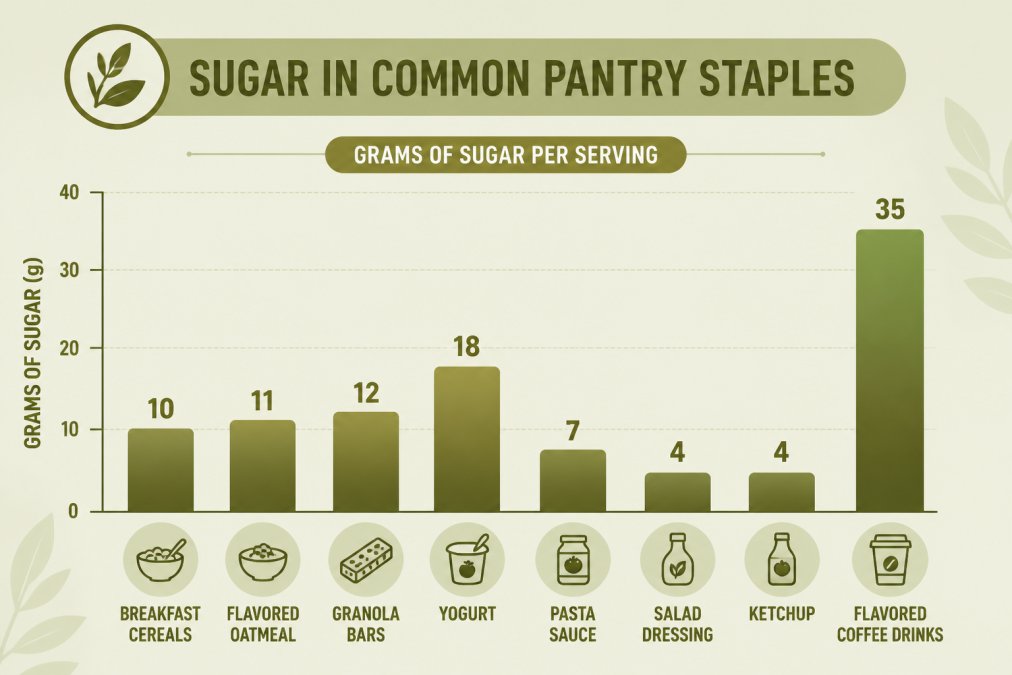
The pattern is clear: processed foods designed for convenience almost always contain added sugars. Manufacturers use sugar to improve taste, extend shelf life, and create the texture consumers expect. Your job is recognizing these patterns so you can swap them for whole food alternatives.
Understanding Blood Glucose Spikes and Insulin Response
When you consume a sugar bomb, your blood glucose spikes rapidly. Your pancreas responds by releasing insulin to transport glucose into your cells for energy. If the spike is dramatic, your body releases more insulin than necessary, which causes your glucose to plummet below baseline within hours. That's the crash, the fatigue, brain fog, and intense cravings that follow a sugar bomb.
This cycle is more than uncomfortable. Repeated blood glucose spikes and crashes stress your metabolic system. Over time, your cells become less responsive to insulin, a condition called insulin resistance. Insulin resistance is linked to weight gain, type 2 diabetes, heart disease, and inflammation throughout your body.
Whole foods with fiber, protein, and healthy fats slow glucose absorption. An apple with almond butter delivers sugar gradually, preventing the spike-and-crash cycle. The same calories from a granola bar with added sugar hit your bloodstream in minutes, triggering the problematic insulin response. Your metabolism literally processes these foods differently.
Understanding this mechanism helps you see beyond simple calorie counting. A 200-calorie sugar bomb causes more metabolic stress than a 200-calorie meal of whole foods. This is why avoiding sugar bombs matters for weight management, energy stability, and long-term health.
Best Post Workout Recovery Snack Options
Your post-workout window is when your muscles are primed to absorb nutrients, but this doesn't mean reaching for a sugar bomb. Recovery snacks should include protein to rebuild muscle and carbohydrates to replenish glycogen, but the carbohydrates should come from whole foods, not added sugars.
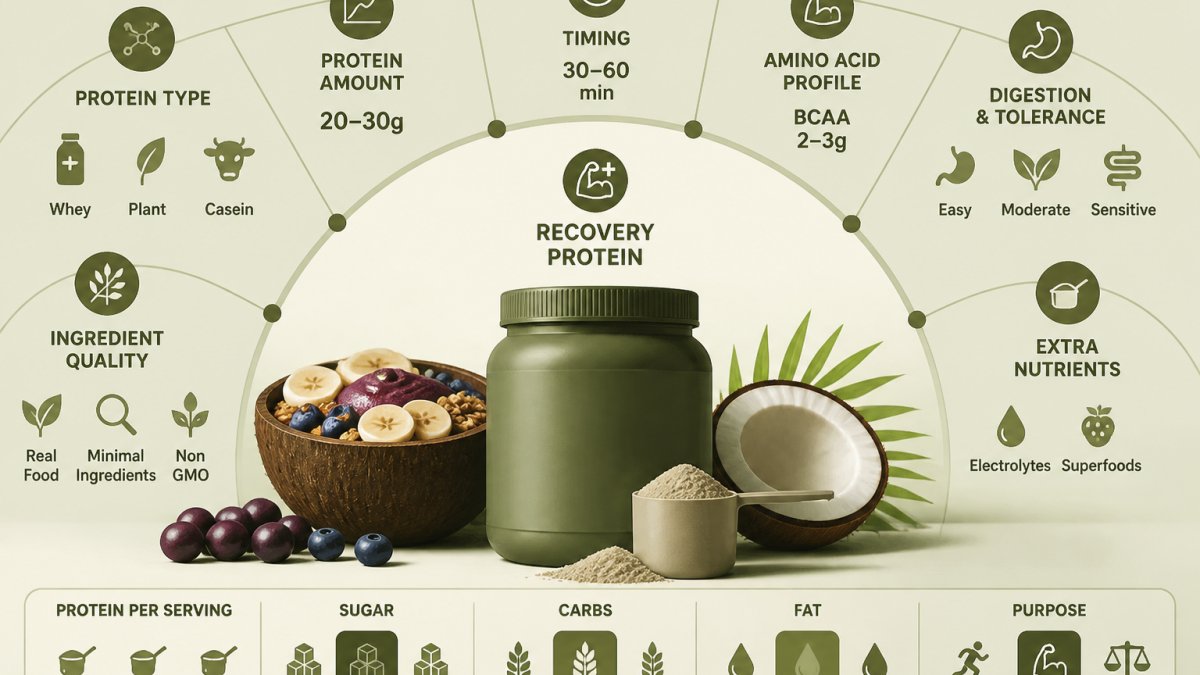
Effective post-workout options include Greek yogurt with berries, a banana with almond butter, eggs with whole grain toast, or a smoothie made from real fruit, protein powder, and unsweetened milk. These combinations deliver carbohydrates alongside protein and fat, which slows glucose absorption and sustains energy. Your muscles get the nutrients they need without the blood glucose spike.
Many commercial recovery drinks and protein bars contain 20-30 grams of added sugar, which actually impairs recovery. The sugar spike triggers inflammation, and the subsequent glucose crash leaves you fatigued. Whole food options deliver superior recovery outcomes with better sustained energy.
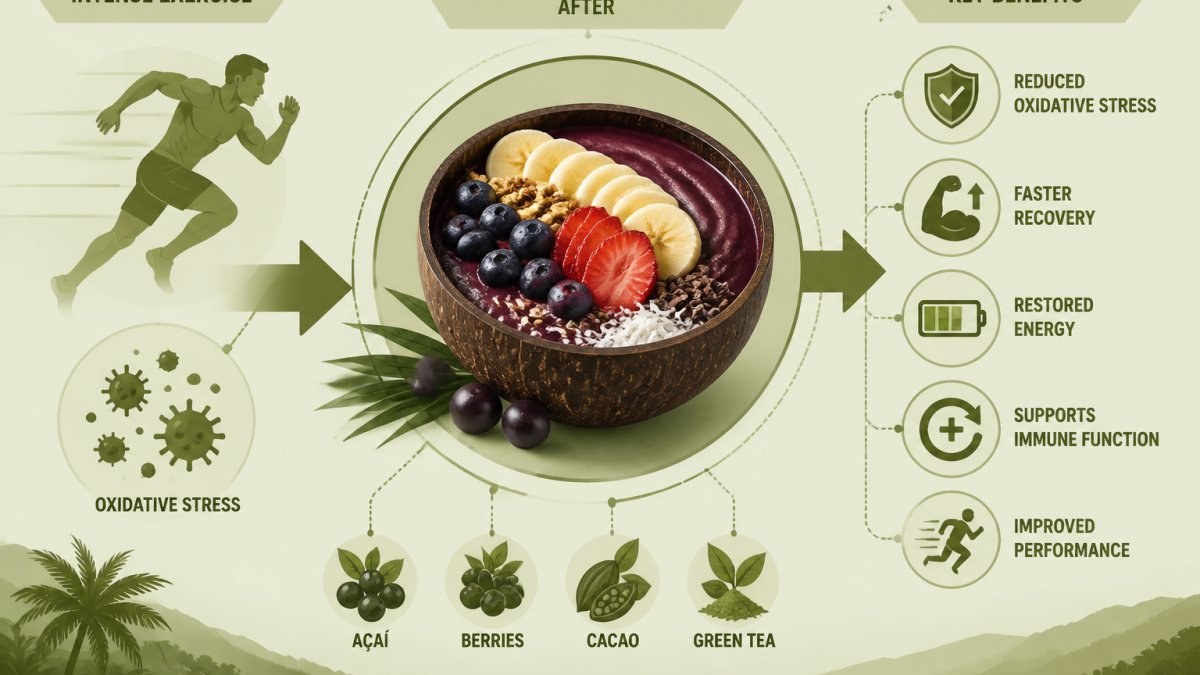
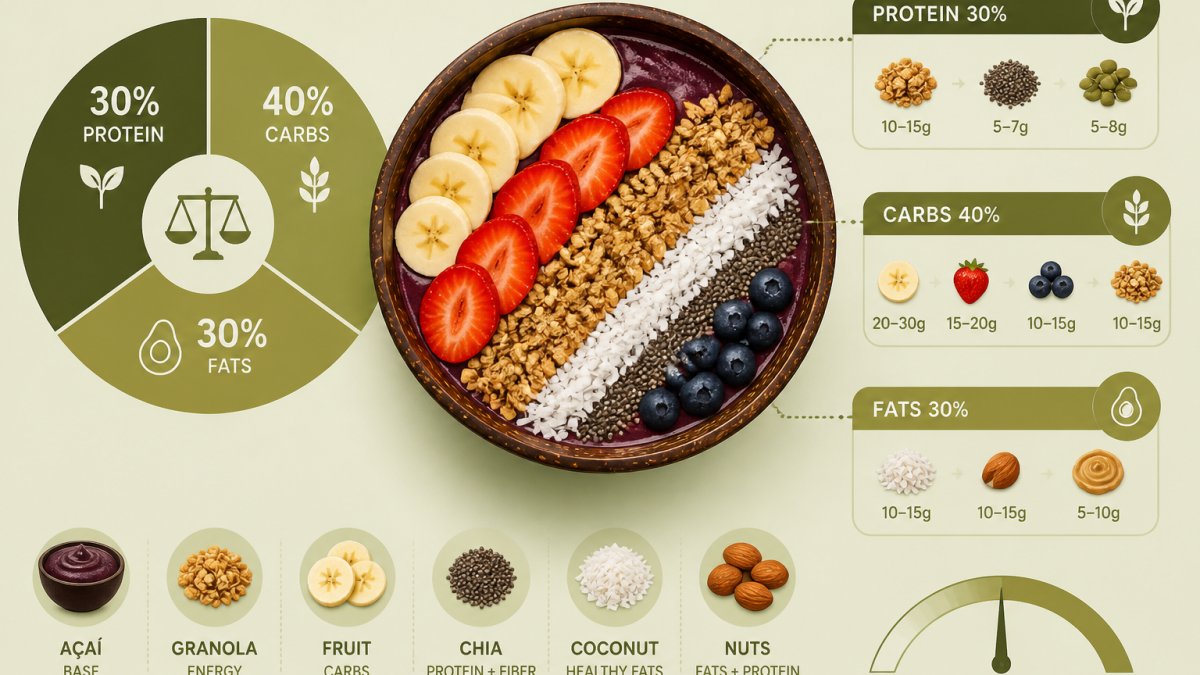
For busy professionals, World Green Açai offers a practical solution. A real açai bowl made with organic berries, coconut, and granola provides complex carbohydrates, antioxidants, and natural sugars that support recovery without the added sugars found in commercial smoothie bowls. You can order online and skip the lines, making it genuinely convenient for post-workout fueling.
Healthy Office Catering Options to Avoid Sugar Bombs
Office catering often defaults to sugar bombs: pastries, cookies, sweetened beverages, and desserts. Building a healthier catering menu requires intentional choices, but the payoff is tangible, your team experiences better afternoon energy, fewer energy crashes, and improved focus.
Request catering that includes protein-rich options: cheese platters, nuts, hard-boiled eggs, or deli meats. Include whole grain breads and crackers instead of white varieties. Fresh fruit is far better than fruit cups packed in syrup. Vegetable platters with hummus provide sustained energy without blood glucose spikes.
Beverages matter enormously. Replace sugary sodas and sweetened iced tea with sparkling water, unsweetened tea, or black coffee. If your office culture demands something special, consider offering organic smoothie bowls or acai bowls made with real fruit and minimal added sugars. These feel indulgent while actually supporting health.
The psychological shift is important too. When healthier options are visible and convenient, people choose them. When sugar bombs are the only option, everyone suffers the afternoon energy crash together. Making catering about sustained energy rather than quick treats changes your team's entire relationship with food.
Practical Swaps and Whole Food Alternatives
Avoiding sugar bombs doesn't require deprivation, it requires smart substitutions that taste good and fuel your body better.
For breakfast cereals: Choose plain oats, plain Greek yogurt with fresh berries, or eggs. These deliver sustained energy without the added sugar crash.
For granola bars: Make your own with oats, nuts, seeds, and a small amount of honey, or choose bars with under 5 grams of added sugar. Check the ingredient list to ensure sugar isn't disguised.
For flavored yogurt: Buy plain yogurt and add your own fresh fruit, honey, or unsweetened cocoa powder. You control the sugar content and spend less money.
For pasta sauce: Make your own from canned tomatoes, garlic, and olive oil, or choose brands that list no added sugar. Homemade takes 15 minutes and tastes better.
For salad dressing: Mix olive oil, vinegar, and mustard instead of buying bottled dressing. This takes 30 seconds and eliminates hidden sugars entirely.
For sweetened beverages: Drink water, unsweetened tea, or black coffee. If you need flavor, add lemon, cucumber, or fresh mint to water.
For afternoon snacks: Choose nuts, cheese, fruit with nut butter, or hard-boiled eggs instead of granola bars or cookies. These combinations provide sustained energy without crashes.
For smoothies: Make them at home with real fruit, unsweetened milk, and protein powder. Commercial smoothies often exceed 50 grams of sugar per serving.
The pattern becomes obvious: whole foods require minimal processing and contain no added sugars. When you cook at home and choose single-ingredient foods, sugar bombs disappear from your diet naturally. This isn't about restriction, it's about choosing foods that actually fuel your body.
Avoiding sugar bombs is fundamentally about reclaiming control over your energy, metabolism, and health. When you understand how to read labels, recognize hidden sugars in pantry staples, and make intentional swaps toward whole foods, you eliminate the afternoon crashes and constant cravings that plague most people. The challenge isn't complexity, it's consistency. Start with one category: swap your breakfast cereal for eggs, or replace your afternoon granola bar with nuts and fruit. Once that becomes automatic, add another swap. Within a month, you'll notice sustained energy, better focus, and genuine improvement in how you feel.
For busy professionals seeking a genuinely convenient healthy option, World Green Açai delivers real organic açai bowls. Order online through the app to skip the lines, and you'll have a nutrient-dense meal ready in minutes, one that actually supports your health instead of sabotaging it. That's the difference between a sugar bomb and real food.
Frequently Asked Questions
What are some practical tricks for avoiding hidden sugars in snacks?
Check the ingredient list for sugar listed in the first three ingredients, that's where the highest-concentration items appear first. Look for disguised names like agave nectar, corn syrup, cane juice, and dextrose. Choose snacks with less than 5 grams of added sugar per serving. Pair carbs with protein or fat (nuts, cheese, or nut butter) to slow blood glucose spikes. Whole foods like berries, nuts, and vegetables naturally contain minimal added sugars and provide sustained energy without the crash.
How do I know if a food has too much added sugar for my daily intake?
The American Heart Association recommends no more than 25 grams of added sugar daily for women and 36 grams for men. Check the nutrition label for the 'added sugars' line, which shows grams per serving. Multiply servings consumed by the sugar per serving to get your total. Most processed snacks contain 10-20 grams per serving, meaning one snack can exceed half your daily limit. Track for a few days to see where sugar accumulates, condiments, drinks, and breakfast foods are common culprits.
What's the difference between natural fruit sugars and added sugars?
Natural sugars in whole fruits come with fiber, vitamins, and minerals that slow digestion and prevent sharp blood glucose spikes. Added sugars are refined sugars mixed into processed foods with no nutritional benefit, they spike insulin response rapidly. A whole apple contains about 19 grams of sugar but also 4 grams of fiber; a flavored yogurt with 20 grams of added sugar has no fiber. The fiber in whole foods regulates how quickly sugar enters your bloodstream, while added sugars in processed items cause metabolic stress.
Can I use sugar substitutes to avoid sugar bombs?
Sugar substitutes like stevia, erythritol, and monk fruit contain zero calories and don't spike blood glucose, making them safer alternatives for blood sugar management. However, they don't address the underlying habit of seeking sweet foods. Some artificial sweeteners (like aspartame) may trigger cravings in some people. The best strategy combines occasional use of substitutes with building a taste preference for less-sweet foods. Whole foods and naturally sweet options like berries remain the most effective long-term approach.
This article was written using GrandRanker