 blog
blog
Post Workout Snacks for Weight Loss Goals: 12 Ideas
Table of Contents
- Why Post Workout Snacks Matter for Weight Loss Goals
- What to Eat After a Workout to Lose Weight
- 12 High-Protein Snacks for Weight Loss After Training
- Low-Calorie Post-Workout Snacks Under 200 Calories
- Post-Workout Smoothie for Weight Loss: Build One That Works
- Açaí Bowls and Other Snack Traps That Stall Progress
- Frequently Asked Questions
Last Updated: October 12, 2026
Why Post Workout Snacks Matter for Weight Loss Goals
What you eat after training can shape whether your hard work shows up on the scale. Post workout snacks for weight loss goals work best when they help your body recover while keeping you inside a calorie deficit. That balance is the whole game, and most people miss it.
The goal is simple: repair muscle, refill energy, and stay full without blowing your daily calorie budget.
The Two Jobs of a Recovery Snack
A recovery snack has two jobs. First, it helps repair muscle with protein. Second, it refills the energy you burned with carbohydrates.
Skip either one and you feel it. Skip protein and your muscles stay sore. Skip carbs and your next workout feels flat.
The USDA Dietary Guidelines for Americans note that protein and carbohydrate timing around exercise supports recovery. So a snack is not a treat. It is part of the training plan.
How to Keep a Snack Inside Your Calorie Deficit
Weight loss comes down to eating fewer calories than you burn. A post-workout snack only helps if it fits inside that budget.
Here is the simple math:
- Estimate the calories you burned in the session
- Keep the snack well below that number
- Aim for protein first, then carbs
A common mistake is treating a workout as a free pass. A hard session does not unlock a huge meal. Keep the snack small and protein-heavy, and the deficit stays intact.
What to Eat After a Workout to Lose Weight
The best thing to eat after a workout for weight loss is a mix of lean protein and fiber-rich carbs. This combo repairs muscle, restores energy, and keeps you full for hours. Protein does the repair work. Carbs refill the fuel you used. Fiber and water slow everything down so you stay satisfied.
Good options include:
- Greek yogurt with berries
- Eggs with whole-grain toast
- A protein shake with a banana
- Cottage cheese with fruit
How Soon Should You Eat?
Most people do fine eating within an hour or two after training. The "magic window" is wider than old advice suggested. If you trained hard and feel drained, eat sooner. If it was a light session, a normal meal later works fine. The Academy of Nutrition and Dietetics explains that total daily protein matters more than perfect timing for most people.
A useful way to think about it: the snack is not a magic switch. It is one meal in a day that already has a calorie target. If your next full meal is within about two hours, you may not need a separate snack at all, just make that meal protein-forward and move on.
Portion Sizes and Approximate Calories
Portion size decides whether a snack helps or hurts. Even healthy food adds up fast. Rather than eyeballing, use the ranges below as a starting point and adjust to your own daily calorie target. These are approximate and vary by brand and preparation.
| Snack | Approximate serving | Protein (approx.) | Calories (approx.) |
|---|---|---|---|
| Plain Greek yogurt | 3/4 cup | 15-20 g | 100-130 |
| Berries on top | 1/2 cup | <1 g | 30-40 |
| Hard-boiled egg | 1 large | 6 g | 70 |
| Canned tuna in water | 3 oz drained | 20 g | 90-110 |
| Whole-grain crackers | 5-6 small | 2-3 g | 60-80 |
| Cottage cheese (low-fat) | 1/2 cup | 12-14 g | 90-110 |
| Edamame, shelled | 1/2 cup | 8-9 g | 90-100 |
| Whey or plant protein powder | 1 scoop in water | 20-25 g | 100-130 |
| Banana | 1 medium | 1 g | 100-110 |
| Oatmeal, dry | 1/2 cup | 5 g | 150 |
| Nut butter | 1 tbsp | 3-4 g | 90-100 |
| Turkey breast slices | 2 oz | 12 g | 60-70 |
A snack that lands in the 150-250 calorie range with 15-25 grams of protein tends to work well for most people trying to stay in a deficit. That is roughly a small yogurt cup plus berries, or one egg plus a few crackers and tuna.
Snack or Full Meal? A Simple Decision Rule
Use these questions to decide:
- Is your next full meal within about two hours? Skip the snack and make that meal count.
- Is your next meal more than three hours away? A 150-250 calorie protein-forward snack helps you avoid arriving at dinner ravenous.
- Did you train fasted or for more than 75 minutes? You likely need the snack, and you can lean toward the higher end of the carb range.
- Was it a short, easy session? A small protein snack or even just water and your next meal is fine.
The goal is not to eat after every workout. The goal is to keep hunger steady so you do not overeat later.
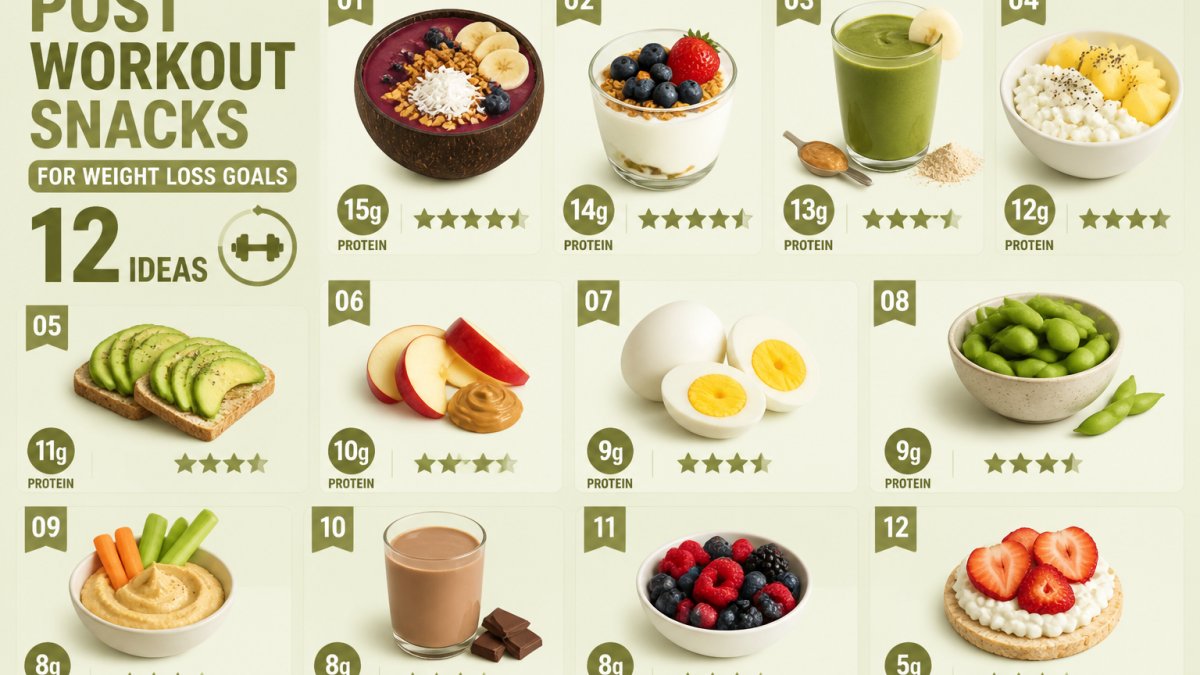
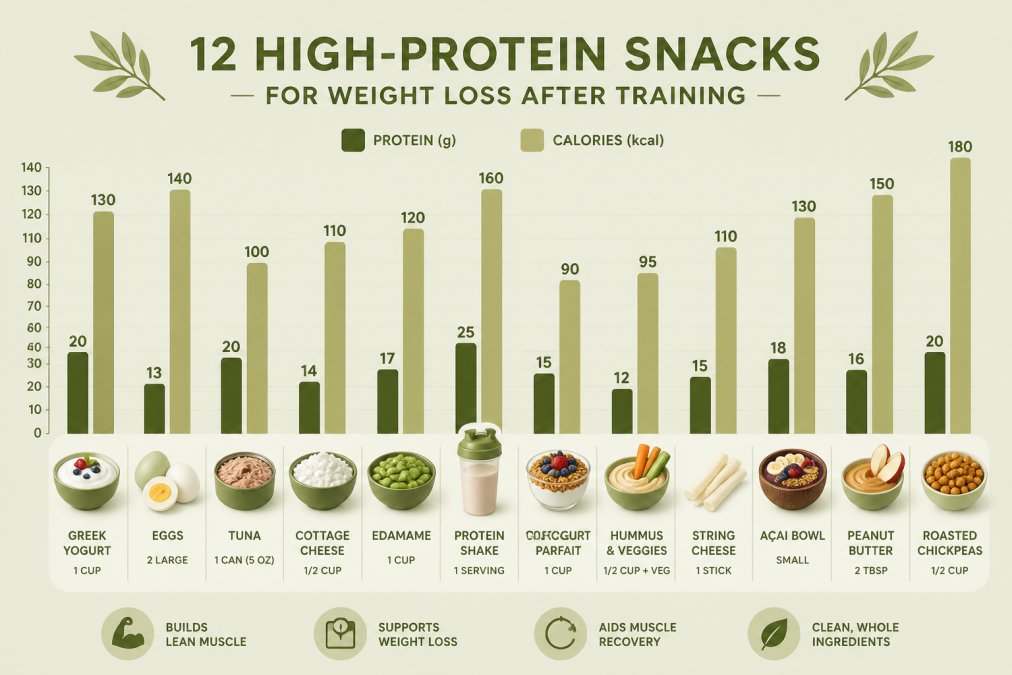
12 High-Protein Snacks for Weight Loss After Training
High-protein snacks for weight loss keep you full and protect muscle while you trim calories. Here are twelve that work after training, with a rough calorie and protein range so you can slot them into your day.
- Greek yogurt with berries. About 130-170 calories and 15-20 g protein. Feels like dessert.
- Hard-boiled eggs. About 70 calories and 6 g protein each. Portable and cheap.
- Tuna with whole-grain crackers. About 150-190 calories and 20+ g protein.
- Cottage cheese with pineapple. About 120-150 calories and 12-14 g protein.
- Edamame. About 90-100 calories and 8-9 g protein per half cup.
- A protein shake with a banana. About 200-240 calories and 20-25 g protein.
- Turkey slices with an apple. About 140-170 calories and 12 g protein.
- Oatmeal with a spoon of nut butter. About 240-250 calories and 8 g protein.
- Rice cakes with cottage cheese. About 130-160 calories and 12 g protein.
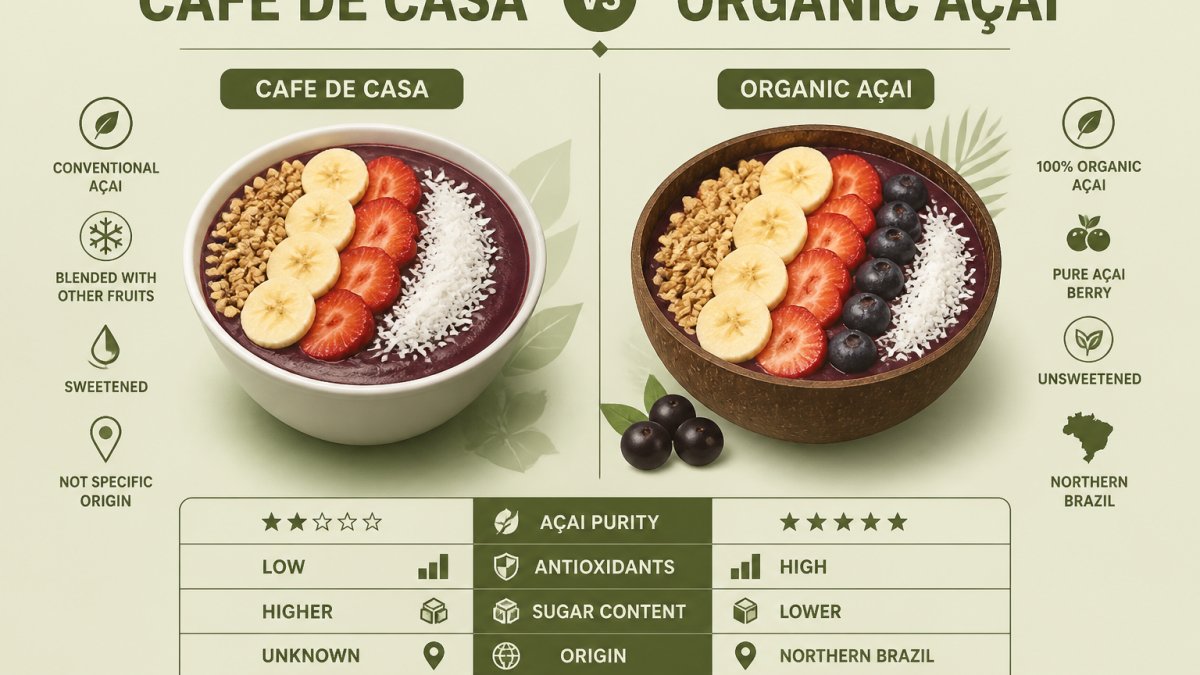
- A small bowl of real açaí with fruit. Roughly 150-250 calories depending on the base and toppings; antioxidants plus fiber when it is made without heavy sugar.
- Roasted chickpeas. About 120-140 calories and 6-7 g protein per half cup.
- A smoothie with Greek yogurt and spinach. About 180-220 calories and 15-20 g protein.
Snacks for Cardio, Strength, and Long Sessions
Different workouts call for different snacks. Match the snack to the session instead of eating the same thing every time.
Short sessions (under 45 minutes, light to moderate effort)
- You likely do not need a dedicated snack. Water and your next meal are usually enough.
- If you are hungry, keep it small: a hard-boiled egg, a half cup of cottage cheese, or a few turkey slices.
- Target roughly 10-15 g protein and under 150 calories.
Strength training (45-75 minutes)
- Protein is the priority; carbs help you recover for the next session.
- Aim for roughly 20-30 g protein and 20-40 g carbs.
- Examples: eggs with whole-grain toast, Greek yogurt with berries, or a protein shake with a banana.
Steady cardio (45-75 minutes)
- A light protein-plus-carb snack works well.
- Aim for roughly 15-20 g protein and 20-30 g carbs.
- Examples: cottage cheese with fruit, turkey slices with an apple, or a small smoothie.
Long or intense sessions (75+ minutes, or two-a-days)
- Carbs matter more here because you have burned through more glycogen.
- Aim for roughly 20-30 g protein and 40-60 g carbs.
- Examples: oatmeal with fruit and nut butter, a larger smoothie with yogurt and banana, or a yogurt bowl with granola and berries.
Light movement (walking, mobility, easy yoga)
- A small protein snack is plenty, or skip it entirely.
- Examples: a hard-boiled egg, edamame, or a few slices of turkey.
Dietary and Budget Substitutions
You do not need specialty products to hit these targets. Everyday foods do the job, and most of the swaps below cost less than a tub of protein powder.
- Dairy-free: swap Greek yogurt for a soy or pea-protein yogurt, or use edamame, tofu, or a plant protein shake.
- Vegetarian: cottage cheese, eggs, Greek yogurt, edamame, and tofu all work.
- Vegan: edamame, tofu, roasted chickpeas, and a plant protein shake.
- Egg-free: Greek yogurt, cottage cheese, tuna, turkey, or a protein shake.
- Nut-free: skip nut butter and trail mix; use seeds or plain oatmeal with fruit instead.
- Budget swaps: canned tuna and eggs are usually cheaper per gram of protein than most bars or powders; plain oats and frozen berries stretch further than fresh.
Make-Ahead and Portable Options
If you train before work or on the go, prep beats willpower.
- Hard-boil a batch of eggs on Sunday and keep them in the fridge for the week.
- Portion Greek yogurt into small containers with berries already on top.
- Pre-mix dry oatmeal in jars so you only add liquid and fruit.
- Pre-portion tuna or turkey into small containers so you grab one instead of the whole can or package.
- Freeze smoothie packs with spinach, half a banana, and berries so you can blend in under a minute.
A snack you can grab in ten seconds is the one you will actually eat. Prep two or three options at a time so you are not deciding while hungry.
Low-Calorie Post-Workout Snacks Under 200 Calories
Low-calorie post-workout snacks let you recover without wrecking your deficit. These options stay light while still delivering protein.
- Greek yogurt cup with a few berries
- One hard-boiled egg with cucumber slices
- Cottage cheese with a sprinkle of cinnamon
- Edamame in the pod
- Turkey roll-ups with a slice of apple
- A small protein shake mixed with water
Pair any of these with a big glass of water. Hydration supports recovery and helps curb hunger.
Budget Swaps and Dietary Substitutions
You do not need pricey powders to recover well. Everyday foods do the job.
- Swap protein powder for eggs or tuna. Cheaper and just as effective.
- Swap fancy granola for oatmeal. More fiber, less sugar.
- Swap flavored yogurt for plain. Add your own fruit.
- Dairy-free? Try edamame, tofu, or a plant protein shake.
- Vegetarian? Cottage cheese, eggs, and Greek yogurt are all fair game.
The CDC guidance on healthy eating recommends building meals around whole foods. That advice works for snacks too.
Post-Workout Smoothie for Weight Loss: Build One That Works
A post-workout smoothie for weight loss works when it is built on protein, not sugar. Most smoothies fail because they are basically dessert in a cup.
Build yours in three steps:
- Base: water, unsweetened milk, or plain Greek yogurt
- Protein: a scoop of protein powder or Greek yogurt
- Fruit and greens: half a banana, berries, and a handful of spinach
Skip the juice, honey, and sweetened syrups. They add calories without keeping you full.
A good smoothie has protein, fiber, and water. That mix repairs muscle and keeps hunger away. Blend it thick, drink it slow, and treat it as a snack, not a meal replacement unless you add enough protein and produce to make it one.
Açaí Bowls and Other Snack Traps That Stall Progress
Some "healthy" snacks quietly stall weight loss. Açaí bowls top the list when they are loaded with sweeteners and toppings.
The problem is not açaí itself. It is what gets piled on top. Granola, honey, and sweetened bases turn a light snack into a heavy one.
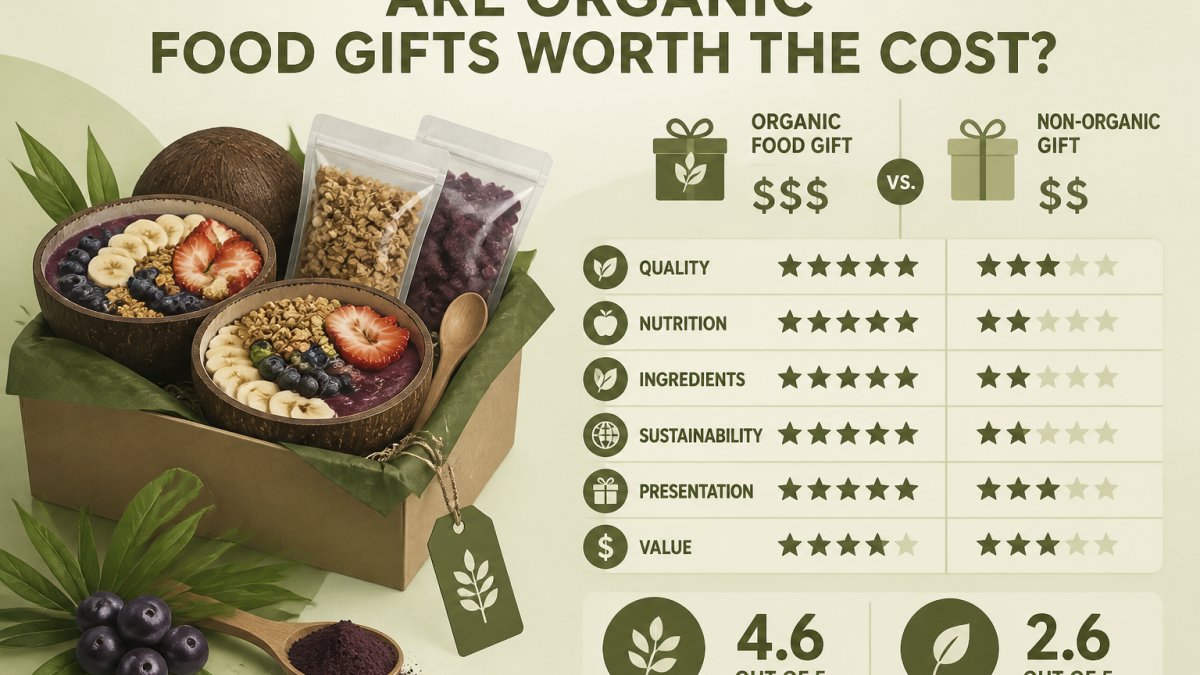
At World Green Açai, we make our bowls with real organic açaí and skip the sugar bombs. That means you get the antioxidants and fiber without the crash. Order online through our Square ordering page and skip the line.
Other traps to watch:
- Trail mix with candy pieces
- Flavored coffee drinks with syrup
- Protein bars that are mostly sugar
- Smoothies made with juice and ice cream
Watch the toppings and the base. That is where the calories hide.
Frequently Asked Questions
Should I eat after a workout if I'm trying to lose weight?
Yes. Skipping your post workout snacks doesn't speed up fat loss; it usually backfires by leaving you ravenous at your next meal. A snack that combines protein and carbohydrates supports muscle repair and energy replenishment while keeping hunger manageable. The key is fitting it inside your calorie deficit rather than adding it on top of everything else you eat. If your next full meal is within an hour or two, you can keep the snack small or skip it entirely.
How soon after exercise should I eat a snack?
Most people do well eating within 30 to 60 minutes after training, but the window is wider than headlines suggest. If you ate a balanced meal one to two hours before your workout, you have time. If you trained fasted or went hard for more than an hour, eat sooner. What matters more than perfect timing is total daily protein and calories. A portable snack in your bag removes the excuse to wait until you're overly hungry.
Can I eat fruit after a workout and still lose weight?
Fruit works well after training. Bananas, berries, and other fruit provide carbohydrates that refill glycogen, plus fiber and water that help with satiety. Pair fruit with a protein source, like Greek yogurt, cottage cheese, or nut butter, so the snack holds you until your next meal. Portion still counts: one banana with a tablespoon of nut butter fits most calorie-conscious plans, while a large smoothie with several fruits and sweeteners can quietly add up.
Are protein shakes good after a workout for weight loss?
A protein shake can be a practical choice when you need something fast, especially if you struggle to hit protein targets through food alone. Watch what goes into it. A shake made with water, protein powder, and frozen berries is very different from one blended with juice, honey, and several scoops of powder. If you prefer whole food, Greek yogurt, eggs, tuna, or cottage cheese deliver protein with more staying power. Either way, count the calories against your daily target.
Weight loss after training comes down to recovery that fits your calorie budget. That is harder than it sounds when you are busy and hungry.
At World Green Açai, we make it easy. Our bowls use real organic açaí, you can order online to skip the line, and our app makes pickup simple. Get started with World Green Açai and grab a post-workout snack that supports your goals.