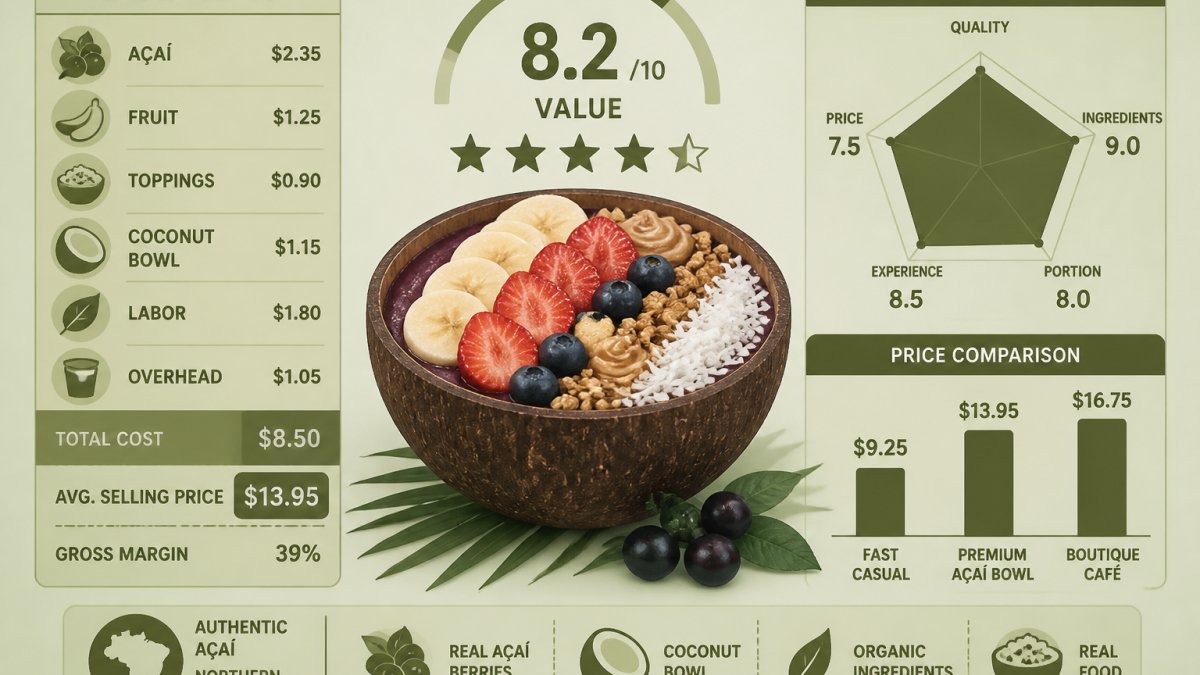
 comparison
Is an Açaí Bowl Worth the Price? A 2026 Cost Breakdown
Table of Contents
- Is an Açaí Bowl Worth the Price? The Short Answer
- Why Is Açaí So Expensive?
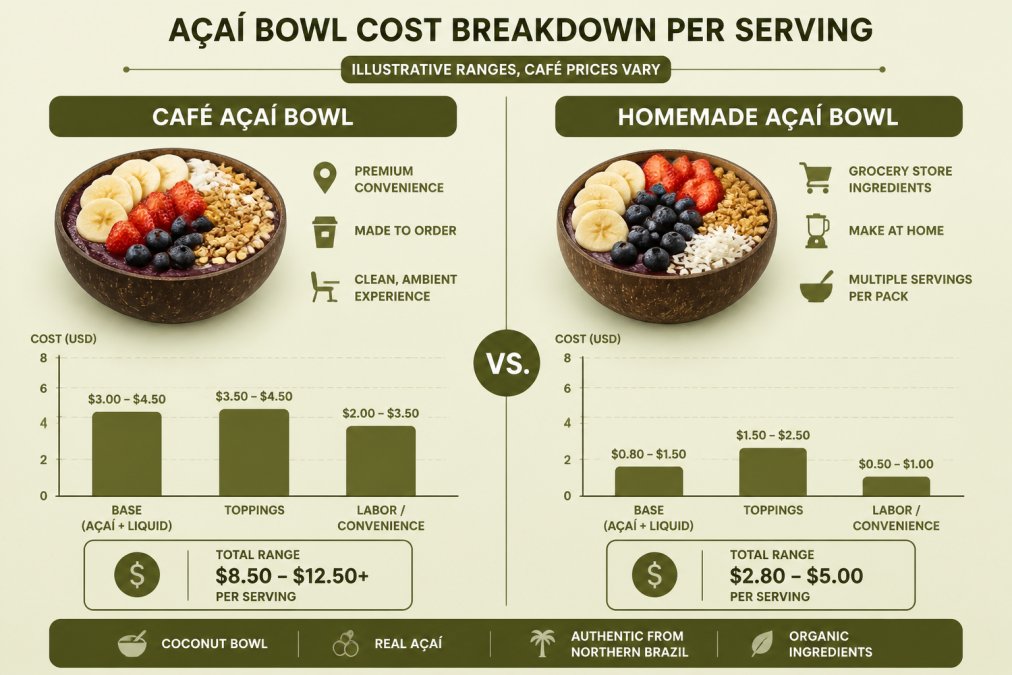
- A Transparent Cost Breakdown: Café Bowl vs. Homemade Açaí Bowl
- Açaí Bowl Ingredients: What You're Paying For in the Bowl
- Price Per Calorie and Price Per Nutrient: A Different Way to Judge Value
- Açaí Bowl Alternatives and Budget-Friendly Ordering Tips
- Verdict: When an Açaí Bowl Is Worth It (and When It Isn't)
- Frequently Asked Questions
Last Updated: October 19, 2026
Is an Açaí Bowl Worth the Price? The Short Answer
Most people asking about the açaí bowl price are really asking what they're paying for.
At World Green Açai, we sell these bowls every day, so we know what separates a bowl that earns its price tag from one that doesn't.
Most guides get one thing wrong: they compare a café bowl to a homemade bowl as if they're the same product.
Why Is Açaí So Expensive?
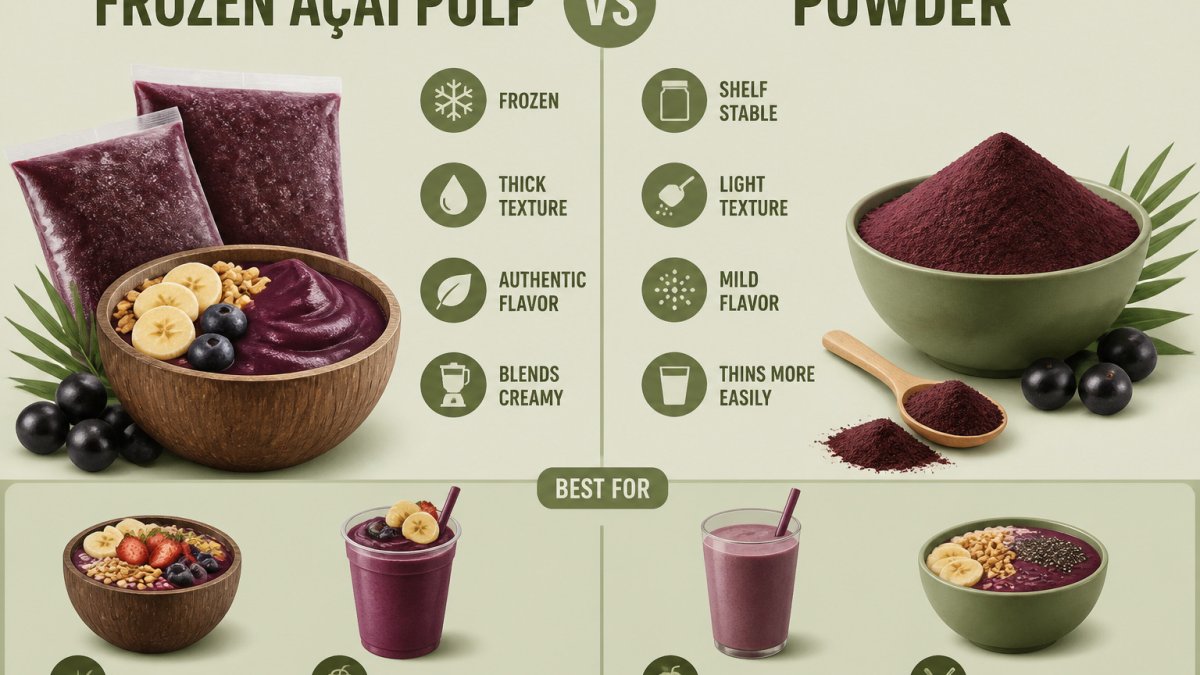
Açaí is expensive because the fruit is fragile, perishable, and grown far from where it's eaten. Berries spoil quickly after harvest, so the usable product is almost always frozen açaí puree or frozen açaí packets, processed near the source and shipped cold the whole way.
Harvest, Shipping, and the Frozen Supply Chain
The frozen supply chain is the single biggest cost driver. Açaí must be harvested, pulped, and frozen fast, then kept frozen through shipping and storage, costs a locally grown fruit never carries. That's why frozen açaí costs more than most frozen fruit in a store.
What Actually Drives a Premium Bowl Price
Four things push a bowl into premium territory:
- Real açaí content. A bowl built on a thick açaí base costs more to make than one stretched with juice, banana, or yogurt.
- Topping quality. Fresh fruit, quality granola, and premium add-ons cost more than syrups and cereal.
- Portion size. A larger serving uses more base and more toppings.
When you see a high açaí bowl price, ask which of these you're actually getting. That's the honest way to judge whether an açaí bowl is worth the price.
A Transparent Cost Breakdown: Café Bowl vs. Homemade Açaí Bowl
A café bowl and a homemade bowl differ most in labor and convenience, not just ingredients. A fair comparison separates the base, the toppings, and your time.
Açaí Bowl Ingredients: What You're Paying For in the Bowl
The açaí bowl ingredients tell you where your money went. A quality bowl is built on a thick açaí puree base, then finished with fruit, granola, and add-ins, each layer carries its own cost and changes the nutrition and taste.
What to look for in the bowl:
- Base: real frozen açaí, thick and creamy, not watery or juice-based.
- Fruit: fresh ingredients where possible, not syrups.
- Granola: a quality grain topping, not sugary cereal.
The antioxidants and omega-3, omega-6, and omega-9 fatty acids people associate with açaí come from the fruit itself. If the base is mostly filler, you're not getting much of them.
Price Per Calorie and Price Per Nutrient: A Different Way to Judge Value
Price per calorie and price per nutrient are better value measures than the sticker price alone.
To run the comparison, divide the bowl's price by its calories, then do the same for a comparable breakfast.
Price per nutrient flips the picture.
Use both metrics by matching them to your goal. Buying a filling, nutrient-dense breakfast or post-workout meal? Price per nutrient is the better yardstick.
A Quick Side-by-Side With Other Breakfasts
To make the value question actionable, compare the açaí bowl to common alternatives on cost, convenience, satiety, and nutrition.
- Smoothie: Often $7-$10. Similar convenience, but usually less fiber and lower satiety because there's no topping to chew. A smoothie bowl with toppings closes some of that gap but costs more.
- Yogurt bowl: Often $5-$9 at a café, or less homemade. Comparable protein if you choose Greek yogurt, but açaí brings antioxidants and fiber that yogurt alone doesn't. Satiety is similar when toppings match.
- Oatmeal: Often $3-$6 at a café, or very cheap homemade. Higher fiber and satiety per dollar, but lower in antioxidants and less of a treat. The açaí bowl's premium buys taste and specific nutrients, not raw fullness per dollar.
That comparison is the honest way to answer whether an açaí bowl is worth the price: it depends on what you're replacing.
At World Green Açai, our bowls are built on real açaí and served in coconut bowls, so the price reflects the base and the sourcing rather than filler.
Açaí Bowl Alternatives and Budget-Friendly Ordering Tips
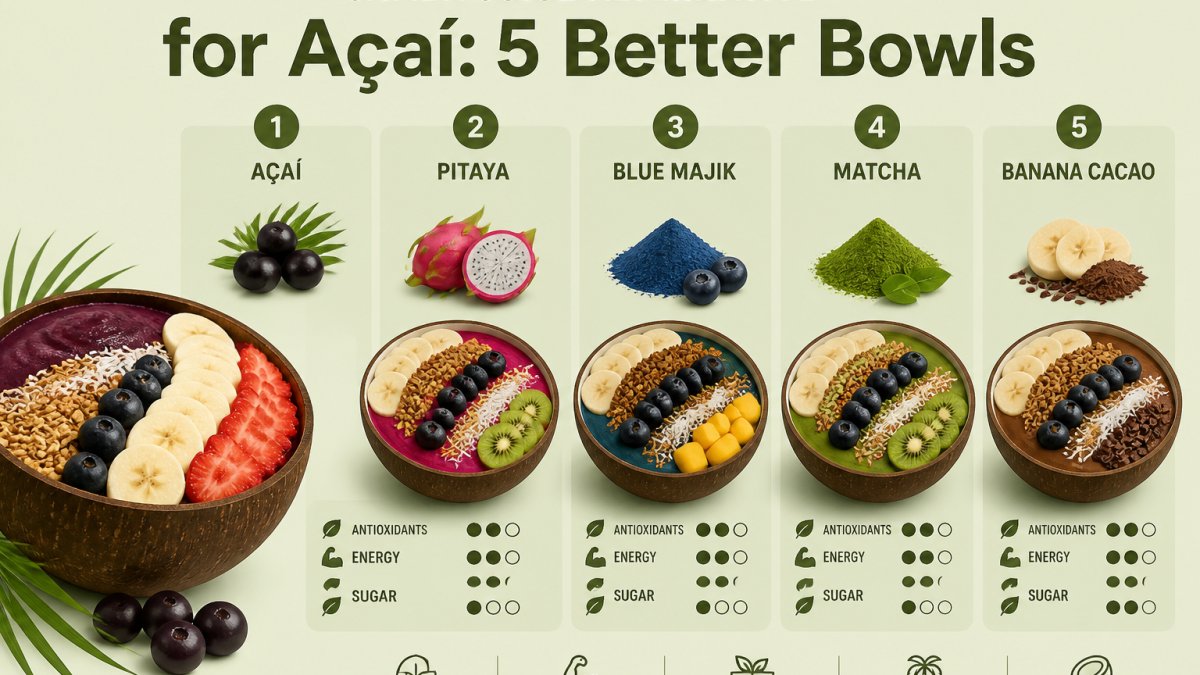
Açaí bowl alternatives and smart ordering can bring the cost down without giving up quality. If the price tag feels high for a daily habit, you have options.
Budget-friendly ways to order:
- Choose a smaller size and add one or two quality toppings instead of loading up.
- Skip the add-ons that add cost without adding much nutrition.
- Order online ahead of time to skip the line and make a quick lunch realistic.
- Consider a smoothie bowl or a smaller portion on days you want something lighter.
At World Green Açai, our online ordering and mobile app make it easy to grab a bowl without the wait, which matters when you have 15 minutes for lunch. You can also check current pricing on our site before you order, so there are no surprises.
Verdict: When an Açaí Bowl Is Worth It (and When It Isn't)
An açaí bowl is worth the price when it's made with real frozen açaí, fresh toppings, and a portion that matches what you pay. It isn't when the base is sweetened filler and the toppings are dessert. The price tag alone won't tell you which you're getting, so look at the ingredients and the portion.
| Situation | Worth It? | Why |
|---|---|---|
| Real açaí base, fresh fruit, quality granola | Yes | You're paying for genuine ingredients and nutrition |
| Sweetened base, syrup toppings | No | Premium price for a sugar-heavy treat |
| Daily habit on a tight budget | Maybe | Try a smaller size or fewer add-ons |
| Post-workout or quick lunch | Yes | Convenience and real nutrition earn the price |
| Homemade, bought in bulk | Depends | Can cost less per serving, but texture and time are trade-offs |
Frequently Asked Questions
Are açaí bowls actually healthy?
It depends on what goes into the bowl. Açaí berries supply fiber, antioxidants, and omega-3, omega-6, and omega-9 fatty acids, so the base itself has real nutritional value. The trouble starts with added sugar, sweetened granola, and heavy fruit toppings, which can push a bowl past a dessert's sugar load. Ask for low-sugar granola, skip honey or sweetened syrups, and treat the bowl as a meal rather than a snack. A bowl built on real açaí puree with modest toppings can be a genuinely healthy breakfast or lunch.
Is it cheaper to make an açaí bowl at home?
Per serving, yes, usually. Retail frozen açaí packets, plus fruit, granola, and milk, can stretch further than a single café bowl when you buy in bulk. The catch is the hidden costs: a blender strong enough for a thick texture, toppings that go bad before you finish them, and prep time on busy mornings. If you eat bowls several times a week, a homemade açaí bowl wins on cost. If you eat one a week, the savings are small.
How much does an average açaí bowl cost?
Café and restaurant bowl prices vary widely by region, bowl size, and toppings, so there is no single reliable average. A base bowl with a couple of toppings usually sits at the lower end, while large bowls loaded with fresh fruit, nut butter, and premium add-ins climb higher. Rather than trust a national figure, check the menu at the shop you plan to visit and compare the base bowl against the loaded version. That difference tells you what the toppings are really costing you.
What should you look for in a high-quality açaí bowl?
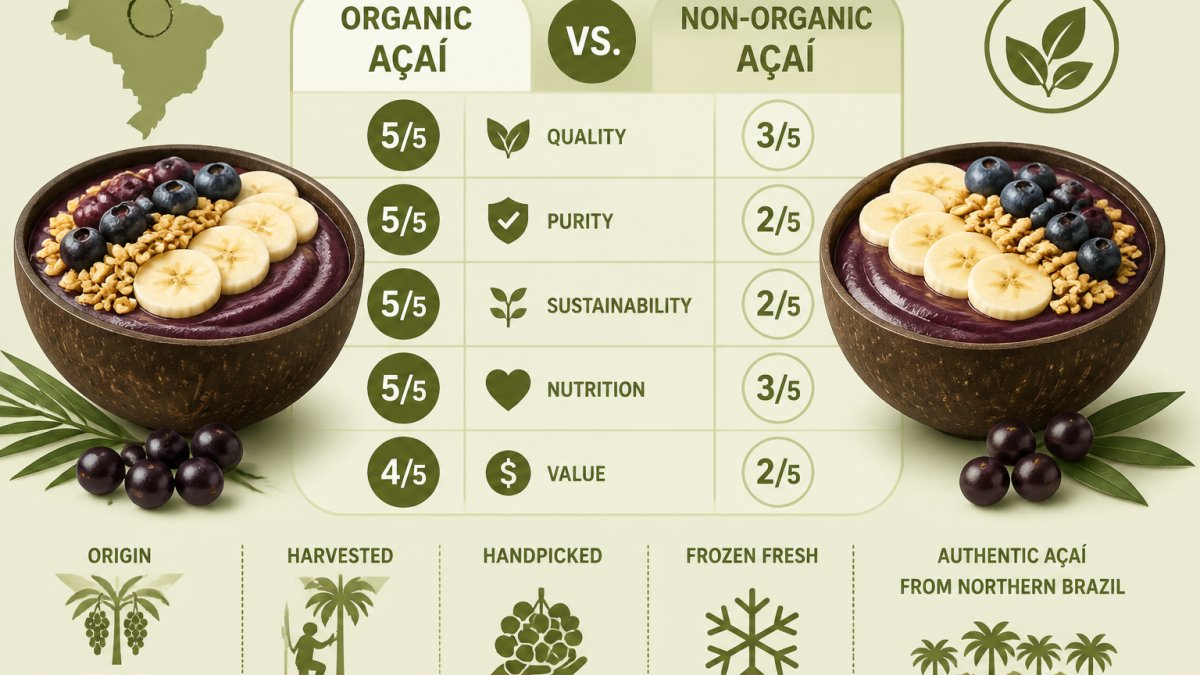
Start with the base. Real açaí puree should be the first ingredient, not sugar, syrup, or a juice blend. Look for organic certification if that matters to you, and ask whether the açaí is unsweetened so you control the sweetness. Texture is a tell: a thick, scoopable bowl usually means more açaí and less filler. Finally, check the toppings list for fresh ingredients and fruit rather than candied or syrup-soaked options. A shop that will explain its sourcing is usually a shop worth returning to.
The real challenge isn't finding an açaí bowl. It's finding one where the price matches what's in the bowl. At World Green Açai, we build our bowls on the finest organic açaí berries, and our online ordering and mobile app let you skip the line and get a quick, healthy lunch without the wait. Order online with World Green Açai and taste the difference real açaí makes.