 How-to
Natural Ways to Reduce Systemic Inflammation: A Practical Guide
Last Updated: November 19, 2026
Quick Summary
Natural ways to reduce systemic inflammation include eating whole, minimally processed foods, limiting sugary drinks and fried foods, moving 20 to 30 minutes most days, and getting seven to nine hours of sleep. These repeatable choices calm the body's low-grade immune response better than any single fix.
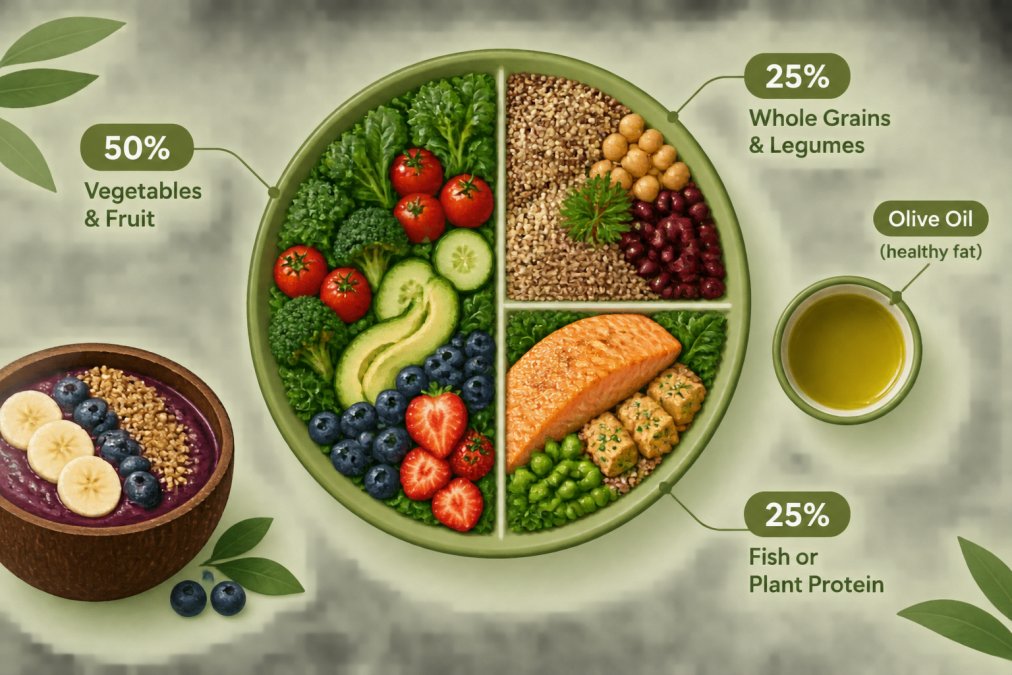
- Fill half your plate with vegetables and fruit, one quarter with whole grains and legumes.
- Cutting one 12-ounce soda a day removes roughly 39 grams of added sugar.
- Aim for 20 to 30 minutes of moderate movement most days plus two strength sessions weekly.
- Adults should target seven to nine hours of sleep a night for immune recovery.
- See a doctor if fatigue, joint pain, or skin issues last more than a few weeks.
Table of Contents
- What Systemic Inflammation Actually Feels Like
- Build an Anti-Inflammatory Diet Around Whole Foods
- Foods That Cause Inflammation: What to Limit, Not Ban
- Exercise and Inflammation: How Much Movement Helps
- Sleep and Inflammation: The Recovery Window Most People Skip
- Easy Anti-Inflammatory Meals for a Busy Schedule
- When to Talk to a Doctor About Inflammation
- Order a Nutrient-Dense Lunch That Fits Your Day
- Frequently Asked Questions
What Systemic Inflammation Actually Feels Like
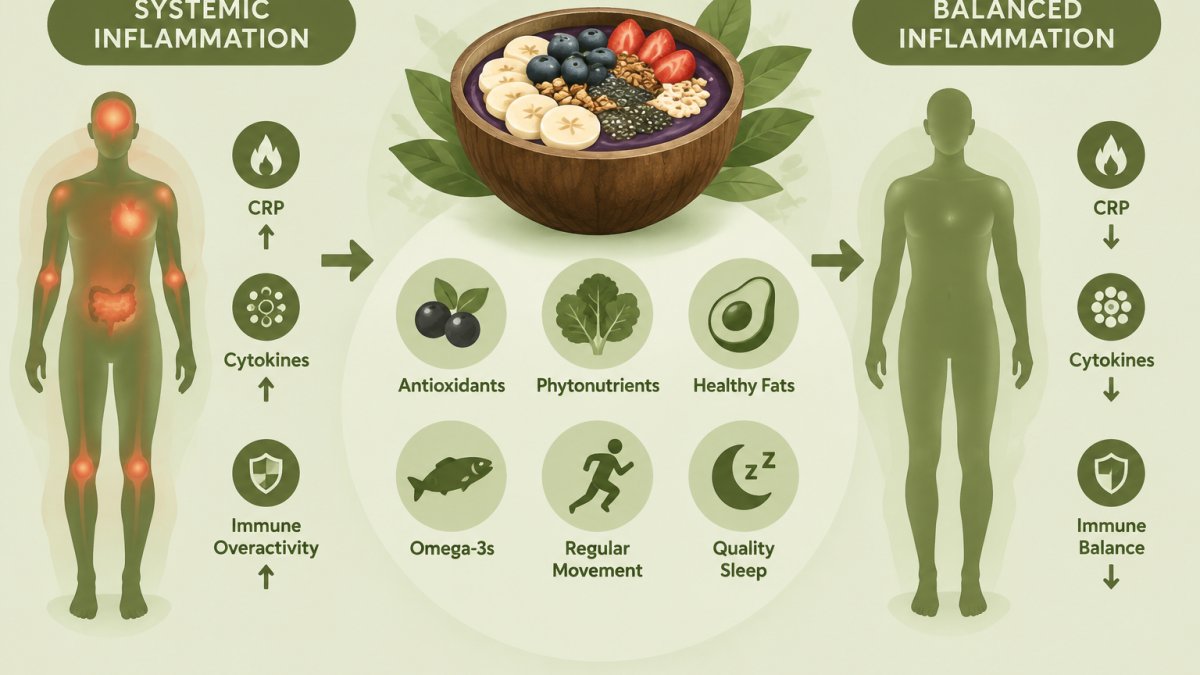
Systemic inflammation is the body's ongoing, low-grade immune response that shows up as fatigue, joint stiffness, brain fog, and skin flare-ups rather than a single visible symptom.
The tricky part: none of these signs point to one clear cause.
What most guides miss is that inflammation is personal. Your triggers may not match your coworker's. Below, we walk through the natural ways to reduce systemic inflammation that hold up in practice, from food to movement to sleep.
Build an Anti-Inflammatory Diet Around Whole Foods
An anti-inflammatory diet is a pattern of whole, minimally processed foods that supports your immune system instead of provoking it. The best starting point is simple: eat more plants, fish, and whole grains, and cut back on added sugar.
Harvard Health's quick-start guide recommends whole, unprocessed foods with no added sugar, including fruits, vegetables, whole grains, legumes, and fish, according to Harvard Health Publishing's anti-inflammatory diet guide. No complicated rules. No banned food groups.
A Simple Plate Framework
Fill half your plate with vegetables and fruit. Give one quarter to whole grains and legumes, and one quarter to fish or plant protein. Add a small side of healthy fat, like olive oil or avocado.
That framework covers the basics of an anti-inflammatory diet without calorie counting. What most guides skip is the part that actually changes outcomes: portion sizes and frequency.
What a Day Looks Like in Actual Servings
Use these as starting points, not prescriptions. A common pattern that most practitioners find workable for adults:
- Vegetables: 2 to 3 cups per day, aiming for color variety. One cup raw leafy greens or half a cup cooked counts as a serving.
- Fruit: 1.5 to 2 cups per day, whole fruit rather than juice. One medium banana or one cup of berries is roughly a serving.
- Whole grains: 3 to 4 ounce-equivalents per day. One slice of whole-grain bread or half a cup of cooked oats or brown rice is one ounce-equivalent.
- Legumes: half a cup to one cup cooked per day, such as lentils, chickpeas, or black beans.
- Fish: two 3- to 4-ounce servings per week, favoring fatty fish like salmon, sardines, or mackerel for omega-3s.
- Healthy fats: about 2 to 4 tablespoons of olive oil per day, plus a small handful of nuts or a quarter of an avocado.
These amounts line up with the general adult ranges in the federal Dietary Guidelines for Americans, which most dietitians use as a baseline before individualizing.
The Mechanism, Briefly
Whole foods support lower systemic inflammation through several routes at once. Fiber feeds gut bacteria that produce short-chain fatty acids, which help calm immune signaling. Omega-3 fatty acids from fish compete with pro-inflammatory fats in cell membranes. Polyphenols in colorful produce and olive oil act as antioxidants. None of these is a switch you flip; they are cumulative inputs, which is why consistency beats intensity.
Where This Goes Wrong
Watch out: jumping from a processed diet to the full framework overnight often backfires, because a sudden fiber jump causes bloating and gas that people misread as the diet "not working." Add one serving of vegetables and one of legumes per week until you reach the targets.
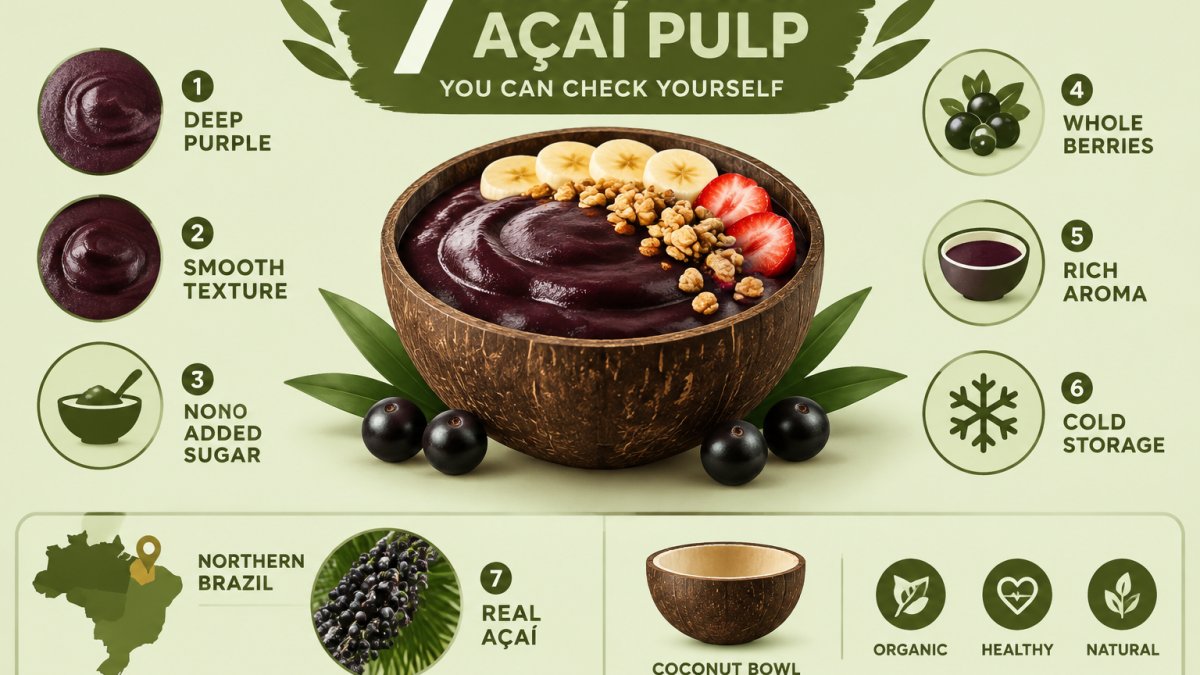
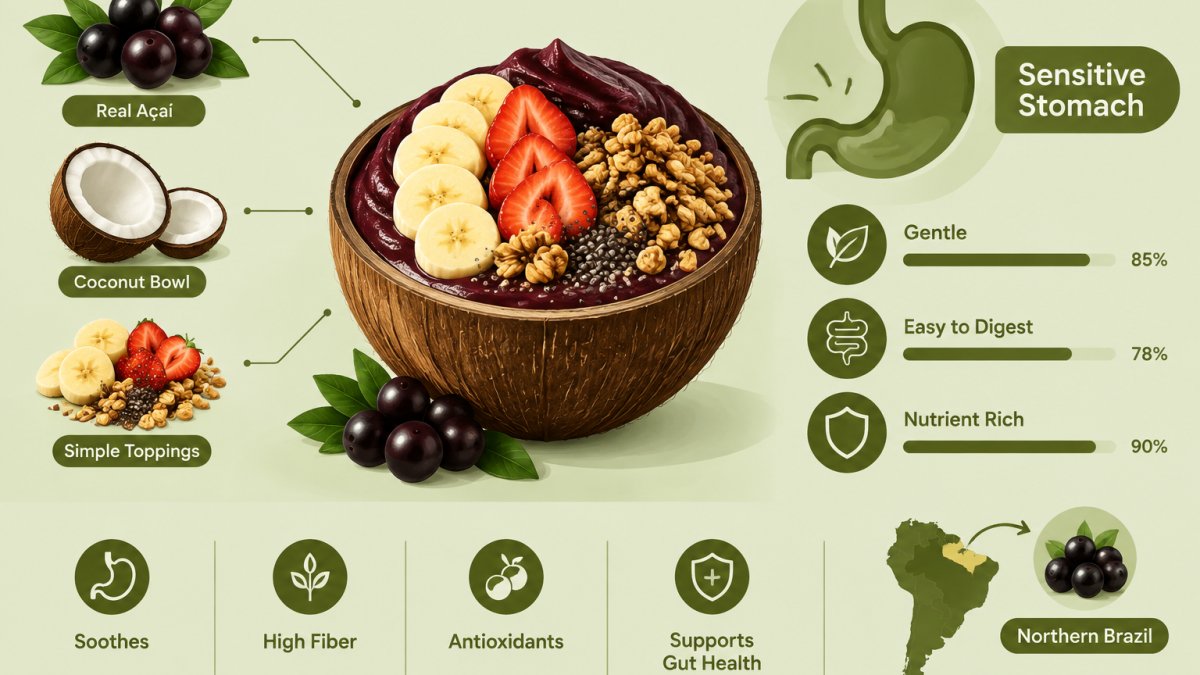
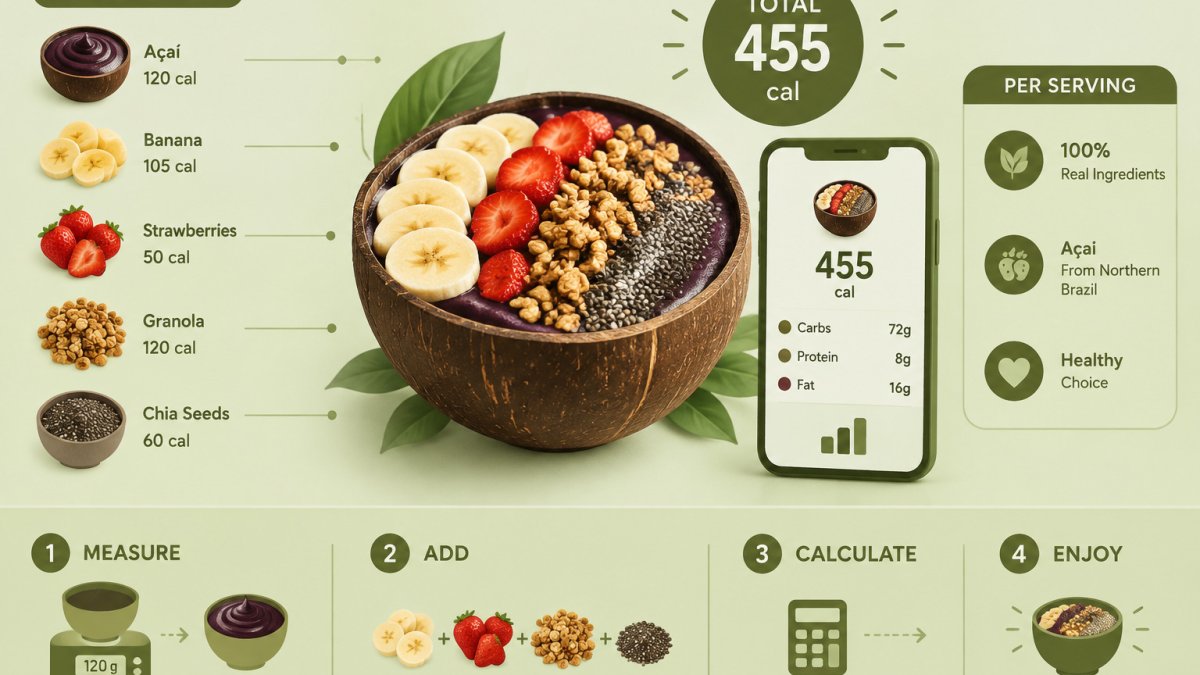
If you want a nutrient-dense shortcut, learn about the benefits of nutrient-dense açaí bowls and how they fit into a whole-food plate. A bowl built on unsweetened açaí, fruit, and seeds can cover a fruit serving and a healthy-fat serving in one meal, which matters on days when cooking is not realistic.
Foods That Cause Inflammation: What to Limit, Not Ban
Foods that cause inflammation are mostly the ultra-processed ones: sugary drinks, refined carbs, fried foods, and heavy processed meats. You do not need to swear them off forever. Limit them and swap in whole foods most days.
What separates useful guidance from a list of "bad foods" is knowing how much, how often, and what to replace them with. Here is the practical version.
The Priority Order, With Numbers
- Sugary drinks first. A 12-ounce regular soda contains roughly 39 grams of added sugar, close to the American Heart Association's recommended daily ceiling of 36 grams for men and 25 grams for women. Cutting one soda a day is the single highest-leverage swap most people can make.
- Refined grains second. Swap white rice, white bread, and regular pasta for whole-grain versions at least half the time. The fiber difference is real: one cup of cooked brown rice has about 3.5 grams of fiber versus about 0.6 grams in white rice.
- Fried foods third. Aim for no more than one fried meal per week. Oven-roasting or air-frying at home gets you the texture without the repeated oil exposure.
- Processed meats fourth. The American Institute for Cancer Research advises limiting processed meats like bacon, sausage, and deli slices. Choose fish, poultry, or beans a few nights a week instead.
Why Each One Matters
Ultra-processed foods tend to combine refined carbohydrates, added sugars, and industrial fats in forms that spike blood sugar and promote oxidative stress. Processed meats are typically high in sodium and saturated fat. Fried foods add oxidized fats. None of these is poison in a single serving; the issue is the cumulative pattern across weeks.
Turmeric and Ginger: Flavor, Not Medicine
Turmeric and ginger are worth keeping in the kitchen. A review of anti-inflammatory herbal medicines discusses research on both turmeric (Curcuma longa) and ginger (Zingiber officinale), though it reports no quantified outcome. So add them to meals because you enjoy them, not as a cure. A teaspoon of ground turmeric in a pot of soup or a thumb of fresh ginger in a stir-fry is a reasonable everyday amount; concentrated supplements are a different category and worth discussing with a clinician.
The Swap Table
| Instead of | Choose | Why |
|---|---|---|
| Regular soda | Sparkling water with lime | Removes ~39 g added sugar per serving |
| White rice | Brown rice or quinoa | Adds 2 to 3 g fiber per cup |
| Bacon or deli meat | Canned salmon or rotisserie chicken | Lower sodium, no curing additives |
| Chips | Roasted chickpeas or nuts | Fiber and protein instead of refined starch |
| Creamy bottled dressing | Olive oil and vinegar | Removes added sugar and industrial oils |
A Note on Individual Triggers
This is where generic lists fail. Two people can follow the same anti-inflammatory pattern and feel completely different, because the trigger is often not the food category but a specific component: lactose in dairy, fructose in certain fruits, or added fiber in packaged "health" foods.
Watch out: cutting entire food groups based on a single bad week can create nutritional gaps faster than it resolves symptoms. Remove one suspect at a time, and give each change at least two weeks before judging it.
Exercise and Inflammation: How Much Movement Helps
Moderate exercise helps manage inflammation, and you do not need a gym membership to get it. Brisk walking, cycling, and light strength work all count.
MD Anderson lists physical activity as one of the lifestyle choices that can reduce inflammation, alongside a healthy diet, hydration, stress management, and enough sleep, per MD Anderson Cancer Center's guidance.
A practical target: 20 to 30 minutes of moderate movement most days. Add two short strength sessions a week. The key is consistency, not intensity.
If you train hard, recovery matters too. See how antioxidants after intense exercise support the repair process.
Sleep and Inflammation: The Recovery Window Most People Skip
Sleep is when your body repairs tissue and calms the immune response, and most adults fall short. Seven to nine hours a night is the general range for adults.
The fix is unglamorous but effective:
- Keep a consistent bedtime, even on weekends.
- Cut screens 30 minutes before bed.
- Keep the room cool and dark.
- Skip late caffeine and alcohol.
Pair sleep with stress management and hydration, the other lifestyle levers MD Anderson names. Together they do more than any single change.
Easy Anti-Inflammatory Meals for a Busy Schedule
Busy schedules are where good intentions collapse, so plan meals that take minutes, not hours. A smoothie bowl, a grain bowl, or a prepped lunch box all work.
For grab-and-go days, our guide to healthy lunch options for busy professionals gives seven quick ideas you can build in advance. And if delivery is your fallback, these tips for ordering healthy food on delivery apps help you pick better options under pressure.
A quick formula we use:
| Meal Slot | Whole-Food Base | Anti-Inflammatory Add-On | Time |
|---|---|---|---|
| Breakfast | Oats or frozen berries | Chia seeds, walnuts | 5 min |
| Lunch | Greens and legumes | Olive oil, turmeric | 10 min |
| Snack | Fruit | Handful of nuts | 2 min |
| Dinner | Fish or tofu | Ginger, vegetables | 20 min |
Time
When to Talk to a Doctor About Inflammation
Talk to a doctor if fatigue, joint pain, or skin issues last more than a few weeks or disrupt daily life. Natural approaches help, but they are not a substitute for medical care.
Watch out: self-treating persistent symptoms with diet alone can delay a diagnosis. Bloodwork and a professional exam catch things food changes cannot.
Bring a simple log to your visit: symptoms, timing, and what you eat. It makes the conversation faster and more useful.
Order a Nutrient-Dense Lunch That Fits Your Day
Reducing systemic inflammation comes down to small, repeatable choices: a whole-food plate, daily movement, real sleep, and stress control. None of it requires a total life overhaul.
When your schedule leaves no room to cook, World Green Açai offers a convenient option. Order online through our app to skip the lines, and get bowls made with açaí. Browse the World Green Açai blog for recipes and nutrition guides, or send a gift card to someone who could use a better lunch.
Frequently Asked Questions
What are natural ways to reduce systemic inflammation?
The most supported habits are dietary and lifestyle-based. Harvard Health's guidance points to whole, minimally processed foods: fruits, vegetables, whole grains, legumes, and fish, with no added sugar. MD Anderson lists a healthy diet, proper hydration, physical activity, stress management, and enough sleep as choices that can reduce inflammation. A 2025 review in Systemic Chronic Inflammation also describes omega-3s, antioxidants, phytochemicals, and fiber as dietary components with reported anti-inflammatory effects. Start with one or two changes you can keep, not a total overhaul.
Can an anti-inflammatory diet reduce inflammation?
Diet is one of the most studied levers. A 2025 review describes fatty acids, omega-3s, antioxidants, phytochemicals, and fiber as dietary components with reported anti-inflammatory effects, though the review does not give a specific effect estimate. Research on herbs such as turmeric and ginger has also looked at anti-inflammatory effects, again without a quantified outcome in the available summary. The practical takeaway: build meals around whole foods and treat any single ingredient as one part of the pattern, not a cure.
How do exercise and sleep affect inflammation?
Both are listed alongside diet in mainstream lifestyle guidance. MD Anderson names physical activity, stress management, and getting enough sleep as lifestyle choices that can reduce inflammation. The mechanism matters less than the consistency: regular movement and a steady sleep schedule support the same systems your diet does. If you are starting from zero, a daily walk and a fixed bedtime are realistic first steps. Anyone with a diagnosed condition should confirm an exercise plan with their doctor.
Are supplements effective for reducing inflammation?
The research summarized here does not support a single supplement as a fix. The 2025 review focuses on dietary components, and the herbal review discusses turmeric and ginger research without a quantified outcome. Whole foods deliver those compounds alongside fiber and other nutrients, which is why dietary guidance emphasizes food patterns rather than pills. If you are considering a supplement, especially alongside medication, talk to your doctor or a registered dietitian first. Food-first is the more reliable starting point.